
Beijing isn't just a destination—it's a living museum where ancient traditions collide with modern ambition. Walking through this city feels like stepping between centuries: one moment you're gazing at the lacquered treasures of the Forbidden City, the next you're squeezing through a hutong alleyway barely wider than your shoulders, stopping for hand-pulled noodles at a family-run shop that's been there for forty years. If you're planning a trip and searching for the ultimate Beijing travel guide 2026, you've come to the right place. This comprehensive guide covers everything from visa requirements and seasonal timing to neighborhood recommendations, must-see monuments, and the hidden gems that locals actually frequent. Whether you're a history devotee, a culture seeker, or simply curious about one of the world's most complex cities, this Beijing travel guide 2026 will prepare you for an unforgettable experience. The good news? Beijing is a mid-budget destination that rewards curious travelers with incredible value. A street meal costs $1–3, a metro ride is under 50 cents, and a rickshaw tour through the hutongs can be negotiated to around $15–20 per person. The best time to visit is April–May or September–October, when the weather is crisp and the crowds slightly more manageable. This Beijing travel guide 2026 includes everything you need to know to make the most of your time here.
Getting There: Flights, Visas & Entry Requirements
Beijing Capital International Airport (PEI) is the main entry point, located about 26 km northeast of the city center. Most travelers flying from North America or Europe will need 12–20 hours of travel time, with typical return flights costing $600–1,200 USD depending on season and how far in advance you book.
Visas and Documents Most Western travelers need a Chinese visa. As of 2026, the standard tourist visa (L-type) costs around $140–180 USD and takes 4–10 business days to process through a Chinese consulate. You'll need a valid passport (6+ months validity), completed application form, and a passport photo. Check your nearest Chinese embassy website for the most current requirements, as visa policies occasionally shift.
Citizens of France, Germany, Italy, Spain, the Netherlands, Belgium, Luxembourg, and several other countries may be eligible for visa-free travel for up to 15 days under certain conditions—verify this before booking.
Getting from Airport to City The fastest option is the airport express train (¥100/$14 USD), which takes about 20 minutes to reach the city center. Taxis are reliable but meters start at ¥13 ($1.80 USD) and the full journey typically costs ¥80–120 ($11–17 USD). Ride-sharing apps like Didi (China's Uber equivalent) are even cheaper—usually ¥50–80 ($7–11 USD). Budget travelers should absolutely use the metro if possible; a single metro ticket costs just ¥2–6 (25–80 cents).
When you [Book flights to Beijing](/book/flights-to/beijing), aim for early morning or late evening arrivals to maximize your first day exploring. If you arrive late, consider staying near the airport and heading into the city the next morning.
Best Time to Visit Beijing: Seasonal Weather & Crowds
Timing your Beijing trip is crucial for comfort and experience quality. The city experiences four distinct seasons, and your choice dramatically affects what you'll see and feel.
Spring (April–May): The Sweet Spot This is hands-down the best season for a Beijing travel guide 2026. Temperatures hover around 15–25°C (59–77°F), flowers bloom across the Summer Palace and temple grounds, and the air quality is generally at its best. You'll see local families picnicking in parks, students on field trips to the Forbidden City, and the city feels alive but not yet overwhelmed. Expect moderate crowds and book accommodations 2–3 weeks in advance.
Summer (June–August): Hot & Crowded Temperatures soar to 25–35°C (77–95°F) with high humidity. More importantly, this is peak tourist season—the Forbidden City and Great Wall are packed with tour groups. Prices spike 20–30%, and restaurant queues can stretch around the block. Unless you specifically want summer vacation energy, skip these months.
Fall (September–October): Crisp & Clear This rivals spring as the ideal season. Temperatures drop to 10–25°C (50–77°F), skies are bright blue, and the humidity vanishes. Autumn colors start appearing in late September. This is when experienced travelers prefer to visit; it's comfortable for walking long distances like the Great Wall at Mutianyu.
Winter (November–March): Dry & Cold Temperatures plunge to -5–5°C (23–41°F), sometimes lower. Heating systems make indoor spaces uncomfortably hot in contrast. The air can be hazy due to heating emissions. However, winter is low season—prices drop 30–40%, crowds thin significantly, and hotels offer generous discounts. It's ideal for budget-conscious travelers who don't mind layers of clothing.
For your Beijing travel guide 2026 planning, mark April–May and September–October on your calendar. If you're flexible, October is slightly less crowded than April because most school trips happen in spring.
Where to Stay: Neighborhoods & Hotel Recommendations
Beijing's neighborhoods each have distinct character. Where you stay shapes your entire experience, so choose intentionally.
Chaoyang District (CBD & Modern Beijing) This is where international hotels, shopping malls, and trendy restaurants concentrate. The area around Sanlitun is lively with nightlife and expat communities. Mid-range hotels like Hilton Garden Inn Beijing Chaoyang run $80–120 USD per night. It's convenient but lacks traditional Beijing character.
Dongcheng District (Historic Center) This neighborhood surrounds the Forbidden City, Tiananmen Square, and major temples. It's the heart of your Beijing travel guide 2026 itinerary. Staying here means you can visit major sites before crowds arrive in the morning. Hotels like the Pod Boutique Hotel (around $45–70 USD) offer budget-friendly stays in renovated hutongs. Premium options include The Peninsula Beijing ($300+ USD), which offers imperial elegance.
Xicheng District (Hutong & Local Life) This is where savvy travelers stay. The narrow alleyways (hutongs), small courtyard guesthouses, and local life feel authentic. You'll stumble onto neighborhood noodle shops, street markets, and elderly residents playing mahjong. Guesthouses like Templation Hutong Guesthouse ($50–80 USD) let you experience Beijing like a resident. This area is perfect for rickshaw tours and early morning walks.
Budget Tip for Your Beijing Travel Guide 2026 Booking a stay directly with hutong guesthouses through local platforms (ask at your hotel) can yield discounts of 15–25% compared to international booking sites. Many family-run guesthouses offer tea, breakfast, and local advice included in the price.
When you [Find hotels in Beijing](/book/hotels-in/beijing), filter by neighborhood first, then price. Spring and fall rates typically run $60–150 USD for mid-range hotels; book 4–6 weeks ahead for the best selection.
Must-See Monuments & Cultural Sites Worth Your Time
Your Beijing travel guide 2026 isn't complete without visiting these essential sites. Plan to spend 5–7 days exploring them thoroughly rather than rushing through in two days.
Forbidden City & Tiananmen Square (Dongcheng) The Forbidden City (admission ¥60/$8.50 USD) is the world's largest palace complex—24 hectares containing nearly 1,000 buildings. Arrive by 7:00 AM to beat crowds; the gates open at 8:30 AM. Hire an audio guide ($15–20 USD) or join a guided tour ($30–45 USD) to understand the architectural symbolism and historical narratives. Plan 3–4 hours minimum. James Chen, a wondr traveler, notes: "The northern end of the Forbidden City is virtually empty even at peak times—head straight there while everyone photographs the main halls."
Tiananmen Square itself is free and impressive at sunrise, but be prepared for security checkpoints and crowds of thousands. It's overwhelming; spend 30 minutes here and move on.
Great Wall at Mutianyu (2-Hour Drive) Forget the crowded Badaling section. The Great Wall at Mutianyu ($70 entry, cable car $15 round-trip) offers equal history with far fewer people. You'll hike along original Ming Dynasty stones with stunning valley views. The cable car ascends 1,300 meters, then you can walk the wall for 2–4 hours depending on your fitness. This is worth a full day trip; tour companies depart Beijing at 7:00 AM and return by 5:00 PM (tours cost $45–65 USD including transport and guide).
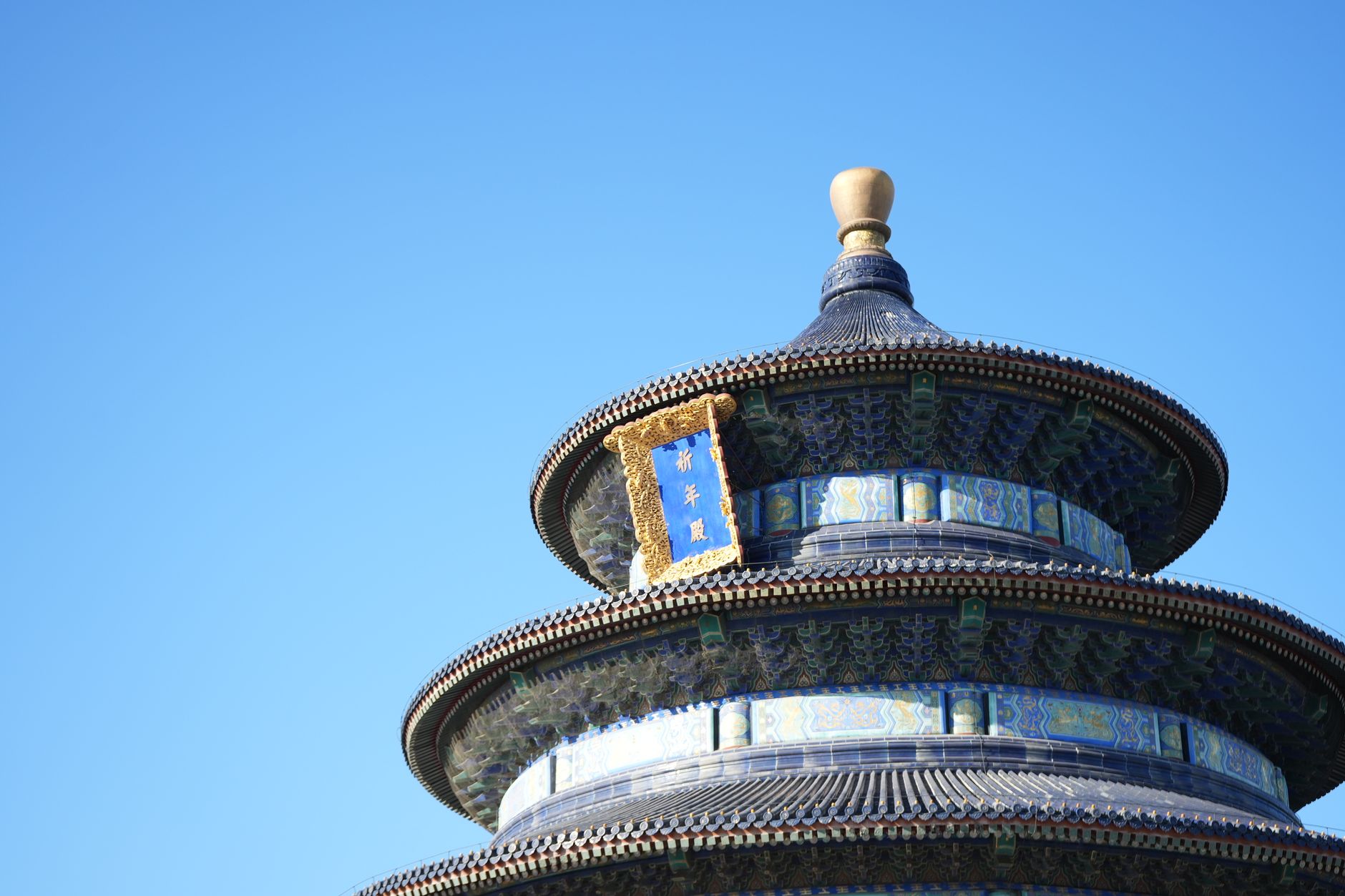
Temple of Heaven (Xuanwu District) This 680-year-old temple complex (admission ¥35/$5 USD) is where emperors performed annual ceremonies to ensure good harvests. The architecture is stunning—the central Hall of Prayer is a perfect circle symbolizing heaven. Visit early morning to see locals doing tai chi and practicing martial arts. Allow 2–3 hours. The grounds are peaceful and rarely feel crowded.
Summer Palace (Haidian District) This royal retreat (admission ¥30/$4.30 USD) sprawls across 2.9 square kilometers of gardens, pavilions, and Kunming Lake. Rent a bicycle ($10/day) or rent a paddleboat ($25/hour) to explore like the emperors did. Spring and autumn light here is magical. Expect 3–4 hours of wandering.
Hutong Rickshaw Tours (Xicheng) No Beijing travel guide 2026 is complete without experiencing hutongs. These ancient alleyways branch into residential neighborhoods where families have lived for generations. A 2-hour rickshaw tour (¥120–160/$17–23 USD for 2–3 people) takes you through narrow lanes, into courtyard homes, and to local shops. The experience feels authentic when you book directly with guesthouses rather than through tourist agencies. Some tours include tea and snacks with a local family—negotiate for this when booking. Rachel Green, a wondr traveler, says: "Go in the late afternoon when the light turns golden and you see locals cooking dinner—it's the real Beijing."
National Palace Museum (Taipei) While technically outside Beijing proper, many treasures from the Forbidden City are housed in Taipei's Palace Museum if you're traveling onward through Taiwan. Check our Taiwan travel guides for recommendations on that leg.
Food Scene: From Peking Duck to Street Eats
Beijing's food culture is legendary, and dining here ranges from imperial banquets to $1.50 street snacks that are equally memorable.
Peking Duck (The Signature Dish) Peking Duck (北京烤鸭) is Beijing's most famous dish. Whole roasted ducks hang in shop windows, their skin glistening mahogany-red. A meal costs ¥100–200 ($14–28 USD) per person at mid-range restaurants. The ritual: the server slices crispy skin and meat tableside, you wrap it in a thin pancake with plum sauce and scallions, take a bite, and understand why this dish has been refined for 600 years.
Reputable restaurants include Qianmen Dadong Roast Duck (near Tiananmen Square) and Bianyifang Roast Duck, a legendary family business operating since 1855. Both have English menus and can handle reservations.
Street Food & Night Markets Wang Fujing Night Market (between Wangfujing Street and the Forbidden City) is touristy but fascinating—you'll find stalls selling grilled scorpions, starfish, squid, and other adventurous proteins ($2–5 USD per skewer). It's chaotic, crowded, and touristy, but it's an experience.
For authentic street food, visit Jianguomen Night Market or the small vendors clustered around metro exits. Try: - Jianbing ($1–2): A crepe filled with eggs, crispy wonton, and hoisin sauce—perfect breakfast - Lamb skewers (羊肉串) ($0.50–1 per skewer): Grilled lamb seasoned with cumin and chili - Stinky tofu: Don't judge by the smell; it's creamy, pungent, and delicious - Hand-pulled noodles (拉面): Any small shop will have this; cost ¥8–15 ($1.15–2.15 USD)
Emma Rodriguez, a budget traveler on wondr, notes: "The underground passages between metro stations have food stalls where locals eat lunch—you'll find better food for less money than anywhere tourists go."
Restaurant Recommendations for Beijing Travel Guide 2026 - Dali Frontyard (Jianguomen): Yunnan cuisine in a courtyard setting; mains ¥60–100 ($8.50–14 USD) - Huang Cheng Lao Ma: Hot pot restaurant; all-you-can-eat for ¥88–128 ($12–18 USD) - Fenghuang Street (near Chaoyang Park): Street lined with independent restaurants; most mains ¥40–80 ($5.70–11.50 USD) - Nali Patio: More upscale dining in a converted warehouse space; mains ¥80–180 ($11–26 USD)
Etiquette Tips When dining in Beijing, remember: it's customary to leave small change as a tip (5–10%), though tipping is less expected than in Western countries. Slurping noodles is polite—it shows you're enjoying the food. Don't stick chopsticks upright in rice; this resembles a funeral ritual. Most importantly, be adventurous. If a restaurant is packed with locals, you've found something special.
Find Travel Companions for Beijing
One of the best ways to experience Beijing is alongside fellow travelers who share your interests. Whether you're exploring the Great Wall, navigating hutong alleyways, or splitting a meal at a family-run restaurant, having companions makes the experience richer—and it's often safer and more affordable too.
Connect with Other Travelers Planning Beijing Several travelers on wondr are actively looking for companions to explore Beijing together. You might find someone interested in early morning temple visits, nightlife in Sanlitun, food adventures, or a multi-day Great Wall trek. The community includes history enthusiasts, budget travelers, solo explorers, and group adventurers—all converging on this incredible city.
Why Find Companions on wondr? Matching with travel buddies through wondr helps you: - Share costs: Split rickshaw rides, hotel rooms, and tour expenses (many sites offer group discounts) - Travel safely: Navigate the city with trusted companions and reduce theft risk - Experience authenticity: Locals are often friendlier to groups of travelers, and shared observations deepen cultural understanding - Stay motivated: Long walks through the city are more enjoyable with someone to share observations with - Get local tips: Fellow wondr travelers often have neighborhood recommendations and restaurant secrets
Yuki Tanaka, a city-break traveler on wondr, says: "Finding a travel buddy through wondr meant I had someone to explore Beijing's nightlife with—we discovered bars in Sanlitun that tourists never find, and split costs cut my expenses almost in half."
Next Steps Ready to find your Beijing travel companion? [Find travel companions for Beijing](/find-companions/beijing) and browse profiles of travelers with similar interests and dates. Message potential buddies, discuss your itinerary, and start planning together. Whether you want a full-trip companion or just someone to join you for a day at the Great Wall, wondr makes connecting simple and safe.
Practical Logistics: Transport, Money & Safety Tips
A successful Beijing travel guide 2026 requires attention to practical details that keep you comfortable and safe.
Getting Around Beijing The metro is your lifeline. It's clean, efficient, and costs ¥2–6 ($0.25–0.85 USD) per ride depending on distance. Buy a rechargeable Yikatong card (¥20 deposit, ¥19 usable credit) at any metro station—it works for metro, buses, and taxis, and locals will recognize you as someone who knows the city.
Taxis are abundant and metered. Insist the driver uses the meter (打表); if they refuse, exit and find another. A typical 5-km ride costs ¥15–25 ($2–3.50 USD). Didi app (like Uber) is cheaper—¥10–20 ($1.50–3 USD) for similar distances.
Bikes are increasingly popular. Dozens of bike-sharing systems (Mobike, Ofo) let you unlock bicycles via app for ¥1–2 ($0.15–0.30 USD) per ride. It's a fun, local way to navigate neighborhoods, though traffic can be intimidating for inexperienced cyclists.
Money & Costs The Chinese Yuan (¥) is the currency. As of 2026, 1 USD ≈ 7 yuan. ATMs are everywhere; withdraw larger amounts to minimize fees. Credit cards work at major hotels and restaurants but not at street stalls or smaller establishments—carry cash.
Daily budget breakdown for mid-range travelers: - Accommodation: $60–100 USD (mid-range hotel or quality guesthouse) - Food: $15–25 USD (mix of street food and restaurant meals) - Transport: $2–5 USD (metro, taxis, bike shares) - Activities/Entrance fees: $30–50 USD (one major site per day) - Miscellaneous: $5–10 USD
Total: $110–190 USD per day for comfortable mid-budget travel. Budget travelers can reduce this to $50–80 USD by staying in hostels, eating exclusively at street vendors, and skipping paid tours.
Internet & Phone Bring an unlocked phone. Buy a local SIM card at the airport (China Mobile, ¥68–118 for monthly plans with 5–10GB data). WeChat and Alipay (mobile payment apps) are essential—many vendors only accept these. Link your foreign debit card to WeChat Pay for seamless transactions.
Note: Google, Facebook, Instagram, and many Western apps don't work without a VPN. Download a VPN before arriving (ExpressVPN, NordVPN work well in China).
Safety & Security Beijing is generally safe. Violent crime against tourists is rare. Standard precautions apply: - Keep valuables in hotel safes - Avoid discussing politics with strangers - Don't photograph military or police without permission - Women travelers report feeling safe in all neighborhoods mentioned in this Beijing travel guide 2026, but use standard city awareness (avoid isolated areas late at night) - Pickpocketing occurs on crowded metro lines during rush hours—keep bags in front and watch valuables
Etiquette & Cultural Notes - Learn a few Mandarin phrases: "你好" (nǐ hǎo, hello), "谢谢" (xièxiè, thank you), "多少钱" (duōshao qián, how much?) - Removing shoes when entering homes or traditional spaces is often expected - Public displays of affection are increasingly accepted in Beijing but remain conservative by Western standards - Don't discuss Tibet or Taiwan politics—these are sensitive topics - Excessive public intoxication is frowned upon
Sample 7-Day Beijing Itinerary for Your 2026 Trip
Here's a realistic itinerary balancing must-see sites, local experiences, and rest days. Adjust based on your interests and energy levels.
Day 1: Arrival & Hutong Exploration Arrive, settle into your accommodation, take the metro to explore your neighborhood. Visit a small temple or park nearby. Eat dinner at a local restaurant. Early night.
Day 2: Forbidden City & Tiananmen Start at 7:00 AM for Forbidden City (arrive by 8:00 AM when gates open). Spend 4 hours exploring. Afternoon: brief walk through Tiananmen Square. Evening: dinner near Tiananmen or return to your neighborhood.
Day 3: Great Wall at Mutianyu Full-day excursion via tour or self-guided. Depart 7:00 AM, return by 6:00 PM. It's worth a full day—don't rush.
Day 4: Temple of Heaven & Summer Palace Morning: Temple of Heaven (2–3 hours). Lunch in the area. Afternoon: Summer Palace (3–4 hours) with paddleboat or bicycle. Rest in the evening.
Day 5: Hutong Rickshaw & Local Experiences Start with a 2-hour rickshaw tour. Lunch at a family-run restaurant recommended by locals. Afternoon: visit a neighborhood market (Panjiayuan Antique Market on weekends for crafts and curios). Evening: street food in a local market.
Day 6: Museums & Lesser-Known Sites Choose one or two from: National Museum of China (free, but arrive early for tickets), Lama Temple (admission ¥25/$3.50), Beijing Zoo (if interested), or Prince Gong's Mansion. These are less touristy than main sites.
Day 7: Neighborhood Wandering & Departure Prep Skip major sites. Take the metro to an unfamiliar neighborhood (Wudaokou, Wangjing, Chaoyang Park area), walk randomly, eat where locals eat, shop if interested. This is how you truly know a city. Evening: final meal, pack, rest.
This itinerary in your Beijing travel guide 2026 assumes mid-pace travel. Feel free to slow down and spend two days at sites that captivate you.
💡 نصائح سريعة
- →Download the Baidu Maps app before arriving—Google Maps doesn't work reliably in Beijing. Baidu has English interface and works perfectly.
- →Visit major tourist sites (Forbidden City, Great Wall) in early morning (7–8 AM) or late afternoon (4+ PM) to avoid peak crowds.
- →Learn to say '不要辣' (búyào là, not spicy) and '要辣' (yào là, spicy) in Mandarin—restaurants default to high spice levels for local dishes.
- →The Forbidden City is physically exhausting—wear comfortable shoes and bring water. Consider an audio guide ($15–20) for historical context that elevates the experience significantly.
- →Book hotels and Great Wall tours 4–6 weeks in advance if traveling April–May or September–October. These seasons book up quickly, and prices rise 20–30%.
- →Negotiate prices at street markets and smaller guesthouses. Tourist-oriented shops have fixed prices, but neighborhood vendors expect haggling—offer 70–80% of asking price and settle in the middle.
- →Use WeChat and Alipay for payments—they're faster and safer than cash, and many vendors only accept digital payment now.
- →Stay in Xicheng or Dongcheng districts rather than Chaoyang if you want authentic Beijing character and better access to historic sites.

Share this deal
مستعد لزيارة Beijing?
شاهد الفنادق والأنشطة والعروض — أو دع الذكاء الاصطناعي يبني مسار رحلتك الكامل.