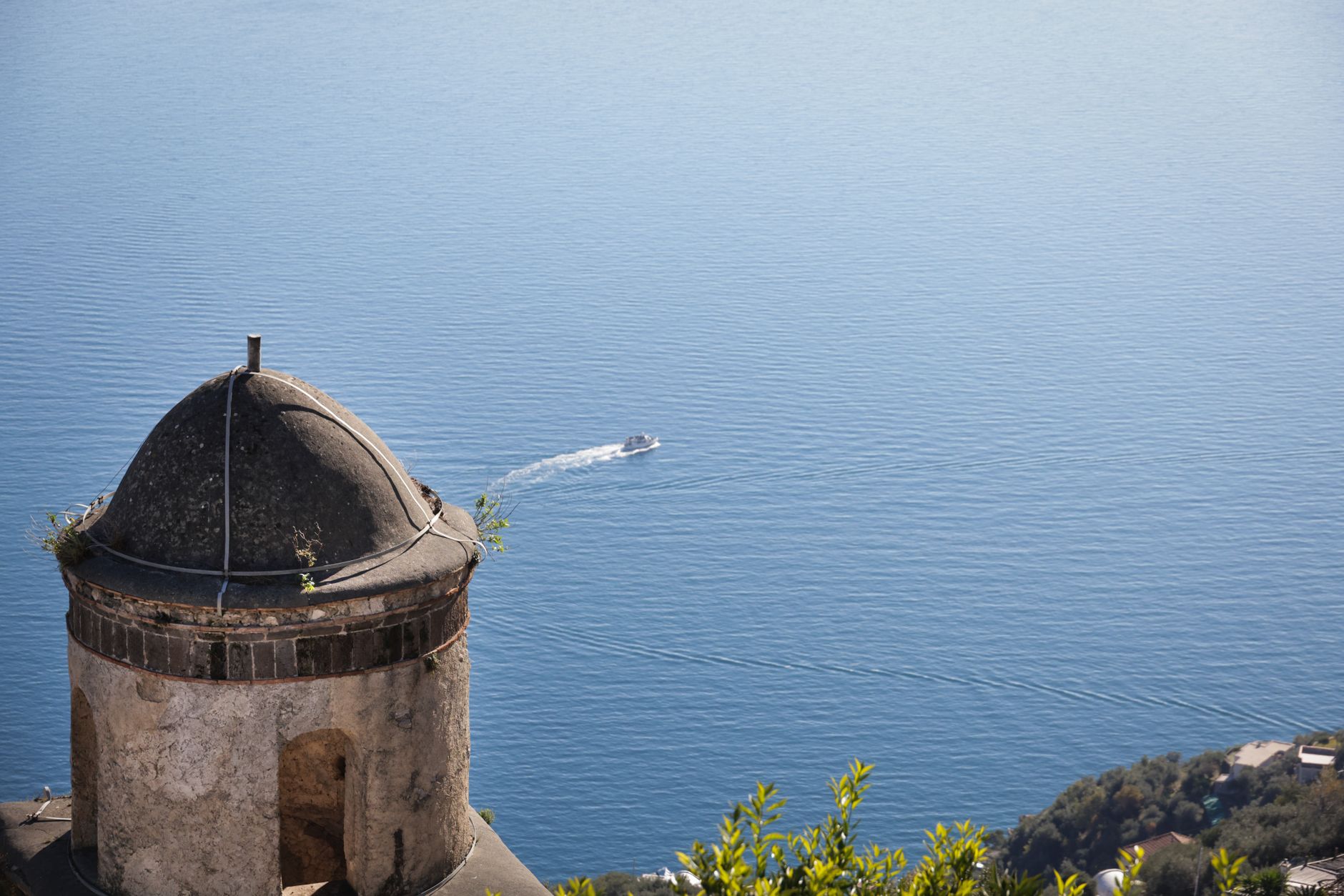

Planning a group trip to Amalfi Coast is one of those rare travel decisions where everyone actually agrees it's a good idea. This UNESCO World Heritage stretch of Italian coastline—with its pastel-colored villages cascading down cliffsides, turquoise Tyrrhenian Sea views, and some of Europe's best food—has a way of making even the pickiest travelers happy. But here's what nobody tells you: organizing a group trip anywhere requires serious coordination. Different budgets. Different energy levels. Different ideas about whether 7 AM hikes or 10 AM cappuccinos are the move. The Amalfi Coast, with its narrow roads, limited parking, and seasonal crowds, adds another layer of complexity. That's exactly why we've put together this comprehensive guide to planning a group trip to Amalfi Coast—covering everything from when to go, how to split logistics, which activities work for mixed-interest groups, and how to avoid the tourist traps that'll drain your budget and your goodwill. Whether you're organizing a couples' getaway, a friends' reunion, or a family adventure, this guide will help you navigate the beautiful chaos of the Amalfi Coast without anyone ending up frustrated on a crowded bus to Positano at 2 PM.
Best Time to Visit: Timing Your Group Trip Right
Timing is everything when planning a group trip to Amalfi Coast, especially since coordinating schedules for multiple people is already hard enough without fighting peak-season crowds.
April to June is genuinely the sweet spot. Spring weather means temperatures hover around 65–75°F (18–24°C)—perfect for hiking the famous Path of the Gods without melting. The lemon groves are in full bloom, wildflowers dot the cliffsides, and you'll avoid the crushing July-August tourist surge. Hotels run $150–300 per night for mid-range options, and restaurants aren't packed at 7 PM. September and October are equally excellent: warm enough for swimming (water hits 72°F/22°C), the worst crowds have thinned out, and there's still that golden-hour light that makes Positano's pastel buildings glow like they're photoshopped.
Skip July and August if you possibly can. Yes, the weather is perfect, but so is everyone else's idea of a vacation. You'll pay double for hotels, wait 45 minutes for lunch at supposedly "hidden" trattorias, and spend half your group time in cars stuck behind tour buses on the narrow Amalfi Drive. If you must travel in summer, book accommodations 6+ months ahead and plan activities for very early mornings or late afternoons.
Late March and early November work if you have flexibility. You'll get lower prices and authentic interactions with locals who actually live there, not just seasonal workers. The tradeoff: some restaurants close for maintenance, and weather can be unpredictable. Pack layers.
When coordinating group calendars, use a simple shared spreadsheet or Doodle poll to find overlapping dates. Even a 4-day trip (Thursday through Sunday) is enough for a meaningful Amalfi experience—you'll have time for Positano, Amalfi town, Ravello, and one day trip.
How to Split Costs and Plan Group Logistics
Money is the third rail of group travel. Planning a group trip to Amalfi Coast smoothly means getting honest about budgets upfront and building flexibility into shared expenses.
Set a clear budget range. The Amalfi Coast isn't cheap. Budget travelers can squeeze by on $100–150/day (modest hotels, street food, free hikes). Mid-range groups spend $200–350/day. Luxury travelers easily spend $400+ per person daily. Have a frank conversation before booking anything. "We're looking at €1,500–2,000 per person for a week" is better than surprises later.
Decide what's shared vs. personal. Most groups split accommodation and private transportation (rental cars or driver services), but keep meal costs individual unless you're doing group dinners. Agree in advance: Are you splitting every lunch? Just dinners? Splitting wine bottles at restaurants? This prevents resentment.
Use a shared expense app. Splitwise or Tricount let everyone log expenses in real-time. One person pays the villa bill, another buys groceries, someone covers the boat tour—and the app tracks who owes whom. Settle up at the end with one or two transfers instead of calculating complex IOUs.
Book accommodation as a group. Villas and apartments are cheaper per person than individual hotel rooms. Airbnb, Booking.com, and Vrbo offer properties throughout the coast. For 4 people, a 2-bedroom villa in Positano's outskirts runs $300–500/night (roughly $75–125 per person). The same hotel room would cost $150–250 per person. Look for properties with kitchens—eating breakfast at home and packing lunches saves hundreds.
Hire a driver or rent a car strategically. The Amalfi Drive is notoriously narrow, winding, and stressful to navigate. For groups, hiring a private driver (€80–120/hour) often makes sense. Split six ways, it's $13–20 per person per hour. Alternatively, rent one car for the group (€50–80/day) and rotate drivers. Public transport (SITA buses) costs €2.50 per ride, but they're crowded and run on loose schedules.
As Emma Rodriguez, a general traveler on wondr, notes: "We hired a driver for three days and it completely changed our trip. No stress, no arguments about directions, and he knew all the best stops that weren't in guidebooks."
Getting There: Transport and Visa Essentials
Most visitors fly into Naples International Airport (NAP), about 60 km (37 miles) south of the Amalfi Coast. Flight times from major US cities range from 9–14 hours with one or two stops. [Book flights to Amalfi Coast](/book/flights-to/amalfi-coast) and plan for Thursday or Friday arrivals to maximize your time.
From Naples to Amalfi Coast: Your options are train + bus (cheapest, ~€15 per person, 2+ hours), private transfer (€60–100 per person, 90 minutes, direct), or rental car (€40–70/day, flexible). For groups, a private transfer from a company like GetYourGuide or directly through your accommodation's concierge usually beats the hassle of trains and buses with luggage.
US and EU citizens don't need visas for Italy if staying under 90 days. Bring a valid passport (valid for 6 months beyond your travel dates). Travel insurance isn't legally required but is smart—it covers medical emergencies, flight cancellations, and lost luggage. World Nomads or SafetyWing cost $10–20/day.
Currency and payments: Italy uses the Euro (€). As of 2024, €1 ≈ $1.10 USD. ATMs are plentiful in Positano, Amalfi, and Ravello. Restaurants increasingly accept cards, but small trattorias and family-run shops often prefer cash. Notify your bank you're traveling internationally—foreign transaction fees run 2–3%.
Phone and internet: Most US carriers charge $10–15/day for data abroad. It's cheaper to buy a European SIM card (Vodafone, Tim, Wind, €5–20 with 5–10 GB data) or use an eSIM service like Holafly (€10 for 5 GB). This matters for groups—everyone needs Google Maps and WhatsApp to coordinate.
Driving permits: If renting a car, bring an International Driving Permit (IDP) along with your US driver's license. The IDP costs $20 from the AAA and takes 15 minutes to get. You'll also need liability insurance (usually included in rental) and a vignette sticker for motorway tolls (€7–15 depending on distance).
Accommodation Options for Different Group Sizes
Where you stay shapes your entire Amalfi Coast experience. When planning a group trip to Amalfi Coast, location and accommodation type matter as much as budget.
Positano (the most photogenic village) is pricey but central. Hotels and villas run $200–500+ per night. The upside: everything is walkable, restaurants are excellent, and the beach is minutes away. Downside: steep streets, parking is nightmarish, and it attracts serious crowds. Stay here if romance and Instagram moments are your priority.
Amalfi town is more affordable ($120–300/night) and has a working-port vibe. Less precious than Positano, with great restaurants and the stunning Amalfi Cathedral. It's a solid base for exploring both directions of the coast.
Ravello sits 365 meters (1,200 feet) above the sea, offering cooler temperatures and a quieter atmosphere. Hotels run $150–350/night. It's perfect for groups that want fewer tourists and better hiking access to the Path of the Gods. Downside: it's 30 minutes uphill from the beaches, so it's less convenient for boat trips.
Praiano and Furore are smaller, quieter villages between the big three—great if your group wants charm without peak-season noise, and 20–30% cheaper than Positano.
For groups of 4–8: Rent a villa or apartment. Airbnb, Booking.com, and Vrbo have dozens of options. Look for properties with outdoor spaces (terraces, gardens)—this is where groups actually bond, especially over dinner and wine. Budget €300–600/night for a nice 2–3 bedroom place. Split it, and you're at $40–75 per person per night—far better than hotels.
For larger groups (8+): Consider booking two villas close to each other, or a dedicated group villa (sites like VillasByItalianKeys or ItalianVillas.com specialize in group properties). Some have shared kitchens, infinity pools, and staff.
[Find hotels in Amalfi Coast](/book/hotels-in/amalfi-coast) and filter by group-friendly features: multiple bedrooms, kitchens, terraces. Read recent group-trip reviews—they'll tell you if the place actually works for more than two people.
Sarah Mitchell, an adventure traveler on wondr, shares: "We rented a villa with a kitchen in Praiano, and cooking one big dinner together was honestly the highlight. Nobody was glued to their phones, and it cost a third of eating out every night."
Group-Friendly Activities That Keep Everyone Happy
This is where planning a group trip to Amalfi Coast gets tricky. You've got different interests under one budget. Here's what actually works for mixed groups:
Hike the Path of the Gods (Sentiero degli Dei). This 7.5 km (4.7-mile) trek connects Praiano and Positano with jaw-dropping views. It takes 2.5–3 hours and is moderately difficult—not a serious scramble, but not a casual stroll either. Start at 7 AM from Praiano to avoid crowds and midday heat. The trail is stunning, and lunch at a clifftop trattoria afterward is celebratory enough for everyone. Cost: €0 (free), though most groups hire a guide (€150–200 for groups of 4–6).
Private boat tour of sea caves and grottos. Book through GetYourGuide, Viator, or your hotel concierge. Most tours are 3 hours, cost €40–80 per person, and visit the Emerald Grotto (Grotta dello Smeraldo) and smaller hidden caves. You'll see turquoise water, swim if you want, and it's the kind of shared experience that bonds groups. Go in the morning before afternoon tour groups clog the waters.
Day trip to Capri. Take the ferry from Positano (35 minutes, €18 round-trip) or Amalfi (60 minutes). Capri is expensive and touristy, but it's iconic. Spend the day wandering the main piazza, visiting the Blue Grotto (book in advance, €17–20), and exploring Anacapri's quieter side. Most groups spend 6–8 hours here. Pack a picnic lunch instead of eating in overpriced harbor restaurants.
Lunch at a cliffside trattoria. This isn't an "activity"—it's the Amalfi Coast's greatest export. Make reservations at La Sponda (Positano, fancy, €60+ per person), Da Vincenzo (Furore, family-run, €25–40), or Lido Gavitella (Praiano, beachside, €30–50). Order the fresh pasta (hand-made daily), local fish, and limoncello. Groups of 6+ get better attention and often a small discount. Eat slowly. This is the meal people talk about for years.
Explore Positano's pastel-colored streets. Wandering Positano takes 2–3 hours—no guide needed. Walk down narrow staircases, pop into art galleries and boutiques, and get genuinely lost. Photography is free, and it's one of those destinations where every angle looks like a postcard. Go before 10 AM or after 5 PM to avoid tour groups.
Ravello's gardens and viewpoints. Villa Rufolo and Villa Cimbrone have jaw-dropping terraces overlooking the coast. Admission is €6–7 per person. Spend an afternoon wandering the gardens, having coffee at a clifftop café, and watching sunset. The towns' music festival (summer) attracts world-class musicians, though tickets sell out months ahead.
Cook a pasta class. Companies like Cooking with Nonna or Taste of Italy offer 3–4 hour group classes where you make fresh pasta, sauce, and dessert, then eat what you've cooked. Costs €60–100 per person. It's cheesy, but groups genuinely love it—especially mixed-interest groups where some love cooking and others come for the wine and stories.
Michael Thompson, a general traveler on wondr, says: "The private boat tour was amazing, but what made it perfect was our group had already bonded hiking the Path of the Gods that morning. We had context for the views. Mix activity types."
Find Travel Companions for Amalfi Coast
Planning a group trip to Amalfi Coast sounds amazing until you realize: you don't have six friends with the same week free. Or your partner wants to go but your usual travel crew can't. Or you're traveling solo and want the experience but not the loneliness.
You're not alone. Right now, 48 travelers on wondr are looking for companions to explore Amalfi Coast together—some planning for spring, others for fall. They range from couples looking to meet other couples to groups of friends seeking one more person to balance costs and energy.
This is where wondr comes in. Our platform connects travelers with shared interests, dates, and budgets so you can find genuine travel companions before you book. Instead of negotiating with friends who might bail last minute, you're matched with people who are already committed and excited.
How it works: 1. Create a trip profile on wondr for Amalfi Coast with your dates and vibe (romantic, adventurous, foodie-focused, budget-conscious) 2. Browse other travelers looking for companions with similar interests 3. Chat to make sure you mesh—talk about daily budgets, activity preferences, accommodation style 4. Coordinate together and split everything fairly
Groups formed on wondr have a huge advantage: everyone's opted in specifically for this trip, with matched expectations. There are no "I guess I'll come" people dragging energy down.
[Find your travel companions for Amalfi Coast](https://wondr-wfriends.com/find-companions/amalfi-coast) and start chatting with people who can't wait to explore this coast with you.
Safety, Practical Tips, and Cultural Notes
The Amalfi Coast is safe, but group travel requires awareness and planning.
Safety basics: Petty theft happens in crowded areas (buses, restaurants, piazzas). Use crossbody bags, don't flash cash, and avoid leaving items unattended. Violent crime is extremely rare. Emergency number: 112 (works for any emergency—police, fire, ambulance). Have a meeting point identified in each town in case your group gets separated.
Driving the Amalfi Drive: This coastal road is breathtaking and terrifying. It's narrow, winding, with hairpin turns and cliff edges. If you're driving, go slowly, use headlights even in daylight, and don't use phones. Buses have the right of way—pull into turnouts to let them pass. Parking: Positano has tiny paid lots (€2/hour). Amalfi has a municipal lot (€1.50/hour, first 1.5 hours free). Ravello has a spacious lot above town. Never leave valuables visible in cars.
Restaurant culture: Dinner is 8–10 PM here; arriving at 6:30 PM will confuse staff. Most restaurants close on Mondays. "Coperto" (€1–3 per person) is a service charge added to every bill—it's standard, not optional. Tipping isn't expected but 5–10% is appreciated. Many smaller places don't have websites or take reservations online; call or ask your hotel's concierge.
Dress code: Italians dress well, especially for dinner. Wear nice casual clothes (not beachwear in town). For fine dining, smart casual (no gym clothes). Comfortable walking shoes are essential—these towns are 70% stairs and cobblestones.
Language: English is widely spoken in tourist areas, but learning a few basics (Ciao, Grazie, Per favore) is appreciated. Download Google Translate offline for emergencies.
Beaches: Most "beaches" are small pebble coves. Bring water shoes. Many have beach clubs (€8–15/person per day for loungers and umbrellas). The best free swimming is along the rocks in Positano and at the Praiano coves.
As James Chen, a general traveler on wondr, notes: "Our rental car company guy warned us about the road and we almost rented a driver instead, but hired him just for the mountain sections. Best €40 we spent. Groups always have at least one nervous driver."
Sample 7-Day Amalfi Coast Itinerary for Groups
Here's a realistic week-long itinerary for planning a group trip to Amalfi Coast that balances activities, relaxation, and food:
Day 1 (Thursday): Arrive at Naples airport mid-morning. Private transfer to your villa in Positano or Praiano (90 minutes, €60–100/person). Check in by afternoon. Evening: stroll through Positano's pastel streets, dinner at a casual trattoria (€25–40/person).
Day 2 (Friday): Hike the Path of the Gods (7 AM–10 AM, 3 hours). Lunch at a clifftop restaurant. Afternoon rest at the villa or beach. Evening: cook a group dinner or eat at a recommended restaurant (€50–80/person if going out).
Day 3 (Saturday): Private boat tour (8 AM–12 PM, €50–80/person). Visit sea caves and swim in turquoise water. Afternoon shopping in Amalfi town. Dinner: splurge on a nice restaurant (€80–120/person).
Day 4 (Sunday): Day trip to Capri. Ferry to Capri (35–60 minutes, €18–25/person round-trip). Visit Blue Grotto, explore Anacapri, picnic lunch. Ferry back by 5 PM. Relaxed evening.
Day 5 (Monday): Many restaurants closed. Explore Ravello instead—Villa Rufolo, café hopping, sunset viewing (€6–7 admission per villa). Cook at your villa or grab casual takeout.
Day 6 (Tuesday): Cooking class (3–4 hours, €60–100/person) or a second boat tour to different caves. Afternoon free time for shopping, naps, or reading by the pool. Early dinner.
Day 7 (Wednesday): Slow morning, final strolls, souvenir shopping. Depart for airport (afternoon transfer, €60–100/person).
Total estimated per-person costs (excluding flights): - Accommodation: $75–150/night (split villa) - Food: $80–150/day (mix of cooking at villa, casual lunches, nice dinners) - Activities: $200–300 total (boat tours, hikes, day trip, cooking class) - Transport: $100–200 total (transfers, ferries, local transport) - Total: ~$1,500–2,500 per person for 7 days
[Plan your Amalfi Coast trip on wondr](/plan?destination=Amalfi%20Coast) and use our AI itinerary builder to customize this to your group's specific interests, dates, and budget.
💡 نصائح سريعة
- →Book accommodations 3–4 months in advance if traveling April–June or Sept–Oct. The Amalfi Coast fills up fast, and villas are snatched early by large groups.
- →Hire a driver or boat skip who is local—they know shortcuts, unofficial trails, and which restaurants won't overcook your fish. Ask your hotel concierge.
- →Pack a portable charger and offline maps—cell service is spotty on hiking trails and in older town centers. Download Google Maps offline for each area.
- →Eat the seasonal produce: in spring, asparagus and artichokes; in summer, tomatoes and zucchini; in fall, grapes and figs. Avoid fish on Mondays (boats don't fish Sundays).
- →Book boat tours and cooking classes at least 1–2 weeks in advance. Last-minute bookings mean worse times and possible cancellations.
- →Wake up early (6–7 AM) for major attractions. By 10 AM, buses dump thousands of tourists. Positano is genuinely beautiful at 7 AM; it's crushed by 11 AM.
- →Use Splitwise or Tricount app from day one to track shared expenses. Don't wait until the end—money math gets messy fast with groups.
- →Designate one person as the "logistics lead"—managing reservations, bookings, and group logistics. Groups without a lead devolve into chaos.

Share this deal
مستعد لزيارة Amalfi Coast?
شاهد الفنادق والأنشطة والعروض — أو دع الذكاء الاصطناعي يبني مسار رحلتك الكامل.