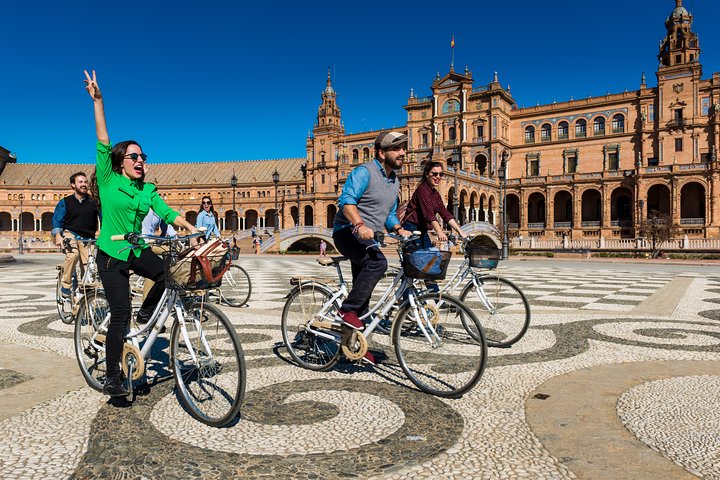
The question echoes through backpacker hostels worldwide: **Seville vs Delhi—which is better for backpackers?** Both cities pulse with history, culture, and adventure, yet they offer dramatically different experiences. Seville, the romantic capital of Andalusia, Spain, seduces travelers with flamenco, tapas, and centuries-old architecture along the Guadalquivir River. Delhi, India's sprawling heart, overwhelms and enchants with its chaotic energy, spiritual depth, and street food revelations. After spending time in both cities and talking with hundreds of backpackers on wondr, we've compiled this comprehensive comparison to help you decide. Whether you're drawn to European charm or South Asian intensity, understanding the practical differences—from visa requirements to daily costs to safety considerations—will help you make the right choice for your adventure. Let's dig in.
Budget Breakdown: How Do Daily Costs Compare?
When comparing Seville vs Delhi for backpackers, budget is often the deciding factor. Delhi wins decisively on price. A backpacker can comfortably live on $15–20 USD per day in Delhi, including a bed in a shared dorm ($5–8), street food meals ($2–4 each), and local transport via auto-rickshaw or metro ($0.40 per ride). A plate of chole bhature at Old Delhi's street stalls costs around $1.50; a thali (complete meal) runs $2–3 at local eateries.
Seville, being a Western European destination, demands more. Budget $30–45 per day for comfortable backpacking: hostels cost $15–22 per night (Oasis Backpackers or Eco Hostel are popular), meals at casual restaurants run $8–12, and attractions like the Real Alcázar ($10 entry) add up quickly. However, Seville's tapas culture offers value—order a drink and receive free tapas, meaning you can eat well for $10–15 if you're strategic.
Currency matters too. Spain uses the Euro (€1 ≈ $1.10 USD), while India uses the Indian Rupee (1 USD ≈ 83 INR). If your budget is tight, Delhi stretches your money three to four times further than Seville. As Marcus Johnson, a budget-conscious traveler on wondr, notes: "Delhi's street food scene means you can eat like royalty for pocket change—my daily food budget was less than my hostel dorm bed cost in European cities." That said, if you have a modest budget of $40–50 daily, Seville is entirely manageable and often feels less exhausting than Delhi's intensity.
Visa Requirements and Entry Logistics
Getting to either destination involves different bureaucratic paths. For Seville, most Western passport holders (US, UK, Canada, Australia, EU) enjoy visa-free entry to Spain for up to 90 days as part of the Schengen Agreement. You'll need a valid passport with at least 6 months validity. Check the official Spain tourism board for current requirements. Flights to Seville are abundant from North America and Europe; book flights to Seville through budget airlines like Ryanair, EasyJet, or traditional carriers.
Delhi presents more friction. Most Western travelers need an Indian visa, which requires an online application (e-visa.india.gov.in) costing $25–50 USD and typically approved within 4 days. The e-visa is valid for 60 days. Some nationalities qualify for visa-free entry (like certain Caribbean nations), but Americans, Brits, Canadians, and Australians all require visas. This adds 1–2 weeks of planning before departure and a small financial cost.
Flight logistics differ too: Seville has a smaller airport (SVQ), so you might connect through Madrid (MAD) or Barcelona (BCN). Delhi's Indira Gandhi International Airport (DEL) is massive with direct flights from major Western cities, though often pricier ($600–1000+ from North America vs. $300–600 to Seville). From a pure logistics standpoint, Seville's visa-free entry and lower flight costs make it simpler for Western backpackers.
Culture and Authentic Experiences: Where Does Each City Win?
Seville vs Delhi for cultural immersion presents a fascinating trade-off. Seville offers digestible, visually stunning culture centered on Andalusian history, flamenco, and Spanish traditions. The Real Alcázar ($10), a UNESCO World Heritage palace, showcases Islamic and Christian architectural fusion. The Catedral de Sevilla ($11 entry), the world's largest Gothic cathedral, dominates the skyline. Wander the Jewish Quarter (Barrio Santa Cruz) with its whitewashed streets, tiny plazas, and neighborhood bodegas. Flamenco shows are everywhere—authentic venues in Triana charge $15–25 without drink minimums, while tourist traps demand $40+ with mandatory spending.
Delhi offers overwhelming, chaotic authenticity that challenges and transforms you. The old city's narrow lanes, filled with spice merchants, textile stalls, and devotional energy, feel untouched by time. Visit the Red Fort (Lal Qila, $6 entry), Jama Masjid (free), and wander Old Delhi's markets. The spiritual layer—temples, mosques, Sikh gurdwaras—reveals India's religious complexity within blocks. Street life is raw: chai vendors, cricket matches in alleys, families living public lives.
Seville's culture is accessible and romantic; you'll soak it in through tapas, architecture, and evening strolls. Delhi's culture is immersive and overwhelming; you'll experience it through sensory overload, human connection, and spiritual encounters. Sarah Mitchell, a general traveler on wondr, shared: "Seville felt like stepping into a painting—beautiful and manageable. Delhi felt like stepping inside a living, breathing organism. Both rewarding, totally different." If you prefer culture served with comfort, Seville wins. If you seek transformation through cultural intensity, Delhi delivers.
Safety and Health: What Backpackers Need to Know
Safety is a legitimate consideration when choosing between Seville vs Delhi for backpackers. Seville is generally safe for travelers. Petty theft and pickpocketing occur in crowded areas (Plaza de España, the Cathedral) and on public transport, especially late at night. Use common sense: don't flash expensive gear, avoid isolated neighborhoods after dark, and stick to main areas. The UK Foreign Office rates Spain as relatively safe for tourists. Police presence is visible, and English is increasingly spoken in tourist areas.
Delhi requires more caution and street smarts. Sexual harassment and assault against solo female travelers remain documented concerns—the U.S. State Department Travel Advisory for India recommends heightened awareness, especially for women traveling alone or in small groups. Scams are common (fake taxis, overcharging, gem store schemes). That said, thousands of backpackers visit Delhi safely yearly by using basic precautions: stay in established hostels with reliable reviews, use Uber/Ola apps instead of street hails, travel in groups after dark, and avoid flashing valuables. Male backpackers generally face fewer concerns.
Health considerations differ too. Seville has excellent healthcare; travel insurance is still wise but not critical. Delhi demands typhoid and Japanese encephalitis vaccinations (check CDC.gov), malaria prophylaxis consideration, and careful food/water hygiene. Stomach issues are common for first-time visitors—bring antidiarrheal medication and eat at busy, popular places (high turnover = fresher food). Seville's main health risk is sun exposure; Delhi's is foodborne illness and air quality (especially November–January when pollution spikes). Overall, Seville is safer and healthier for backpackers unfamiliar with South Asian travel; Delhi rewards careful travelers with unforgettable experiences.
Food Scene: A Culinary Showdown
The food discussion in Seville vs Delhi is deeply personal because both cities are culinary paradises—just wildly different. Seville's food is refined, social, and grape-friendly. Tapas culture dominates: order a vermouth ($2–3) and receive free jamón ibérico, patatas bravas, or espinacas con garbanzos. Sit in Plaza Alfalfa or Triana's riverside bars and watch life unfold. Pescaíto (fried fish, $8–12) is a local treasure. Espetos (grilled sardines on the beach at nearby Chipiona, $5–8) define summer. Gazpacho in summer and salmorejo (thicker, cream-topped gazpacho, $4–6) in any season refresh you. Rabo de toro (oxtail stew, $10–14) and espinacas (spinach with chickpeas, $4–6) showcase Andalusian comfort food. Wine is excellent and cheap; a DO Jerez sherry costs $3–5 per glass.
Delhi's food is explosive, diverse, and mind-bending in flavor. Street food is the star: pani puri (water dumplings, $0.50), chaat varieties ($1–2), and momos ($1–1.50) from street carts. Chandni Chowk's paranthe wali gali (parantha lane) serves stuffed fried bread for $1 with pickle and yogurt. Dhabas (casual eateries) serve butter chicken, dal makhani, and roti for $2–4. Old Delhi's Jama Masjid's surrounding streets buzz with biryani, nihari (slow-cooked meat stew), and kulfi (ice cream cone). Karim's restaurant, a 200-year-old institution, serves Mughlai cuisine in a chaotic, authentic setting for $3–8 per person. Street chai (tea, $0.25) is a cultural ritual; you'll see locals squatting on sidewalks sipping from small glasses. Hygienic eating requires strategy—eat where locals eat, watch food being prepared, choose hot and freshly cooked items.
Seville's food is about pleasure, wine, and social connection. Delhi's food is about adventure, spice, and sensory revelation. Yuki Tanaka, a nightlife-focused traveler on wondr, notes: "Seville's tapas bars became my second home—the food was incredible, but the social atmosphere of standing and chatting with locals and other travelers was the real magic." If you want casual gourmet eating and wine culture, Seville excels. If you crave street food authenticity and flavor intensity, Delhi is unmatched.
Find Travel Companions for Seville
Traveling solo doesn't mean traveling alone. Several travelers on wondr are actively looking for companions to explore Seville together, whether for a city-break, cultural immersion, or nightlife adventure. Finding the right travel buddy transforms your experience—shared meals become dialogues about what you're witnessing, navigating language barriers becomes collaborative problem-solving, and the cost of a private room splits in half.
Seville's social hostels (like Oasis Backpackers, Eco Hostel Sevilla, and The Selina) are natural gathering spots for solo travelers. Common areas buzz with people planning group tapas crawls, renting bikes for Parque de María Luisa explorations, or negotiating group rates for flamenco shows. But if you'd prefer to find a companion before arriving—to share accommodation, split transfers, or commit to exploring neighborhoods together—wondr makes this simple. [Find travel companions for Seville on wondr](/find-companions/seville) and browse profiles of travelers heading there. Many backpackers seek companions specifically to reduce costs (sharing hotel rates) or for safety (particularly solo female travelers who prefer exploring in small groups).
The platform lets you filter by travel dates, interests (culture, nightlife, food, budget level), and even language. You can message potential companions, chat about plans, and meet confident that you're both committed to the trip. Friendships forged on shared travel become lifelong connections—and it all starts by connecting on wondr before you ever board a plane to Seville.
Practical Logistics: Getting Around and Staying Connected
Transportation and connectivity matter when you're backpacking. Seville is compact and bikeable; most backpackers walk the Centro (historic center), cycle to Triana ($2–3 bike rental per day), or use the tram system ($1.40 per ride). Buses are reliable and cheap ($1.40). Find hotels in Seville near the Cathedral or Santa Cruz for walkability, or in Triana for a local, riverside vibe. WiFi is ubiquitous in hostels, cafés, and restaurants. SIM cards cost $10–15 with prepaid data from providers like Movistar or Vodafone, or use your home carrier's roaming (often $5–10/day for EU roaming if you're from Europe/North America).
Delhi is vast; you'll rely on auto-rickshaws ($0.50–1.50 per ride), Uber/Ola ($0.70–2 per ride), or the Metro (inexpensive and efficient, $0.40–1 per ride). Backpacker neighborhoods cluster around Paharganj (backpacker central, but touristy) or South Delhi's Hauz Khas (trendier, more expensive). WiFi is standard in hostels but less so in street-food areas and markets. Buy a local SIM card ($3–5) from Airtel, Jio, or Vodafone—you'll need your passport. Both cities are navigable with Google Maps offline downloads.
Internet is crucial for both. Plan your Seville trip on wondr and use the app to access itineraries, local reviews, and companion information offline. In Delhi, download Maps and use offline translation apps constantly—English penetration is lower than in Seville, especially outside tourist zones. Phone credit runs out quickly in both cities, so carry a physical wallet and know approximate prices before transactions.
💡 Quick Tips
- →Book flights to Seville from October to April to avoid summer heat (35°C/95°F+); Delhi's ideal season is November to February when temps drop to 15–25°C (59–77°F)—avoid June to September monsoon.
- →In Seville, learn basic Spanish phrases; English is less common outside tourist areas than you'd expect, and locals appreciate effort. In Delhi, English widely spoken in tourist areas, but a few Hindi greetings (namaste, dhanyavaad) charm locals.
- →Carry hand sanitizer in Delhi; many street food vendors have basic hygiene practices, and it's your insurance policy. In Seville, tap water is safe, so less critical.
- →Book flamenco shows in advance if you have specific preferences, but arrive in Seville open to spontaneous evening performances—some of the best happen in small, neighborhood venues without advance booking.
- →In Delhi, visit monuments early morning (6–8 AM) before crowds and intense heat. Red Fort and Jama Masjid are surreal in dawn light and far less overwhelming.
- →Seville's Real Alcázar and Cathedral reward 2–3 hours of exploration; don't rush. Buy combo tickets for slight discounts, or hire a local guide ($15–25/hour) for deeper context.
- →Delhi's Old City is best explored with a local guide or extremely detailed map; street names don't always align with maps, and it's easy to loop in circles. Hotel concierges arrange guides for $8–15/hour.
- →In Seville, stay near the Cathedral or in Triana for authentic experience; Barrio Santa Cruz is charming but hyper-touristy. In Delhi, choose Hauz Khas over Paharganj if you want local atmosphere without sacrificing backpacker amenities.
Share this destination
Ready to visit Seville?
See hotels, activities, and deals — or let AI build your full itinerary.