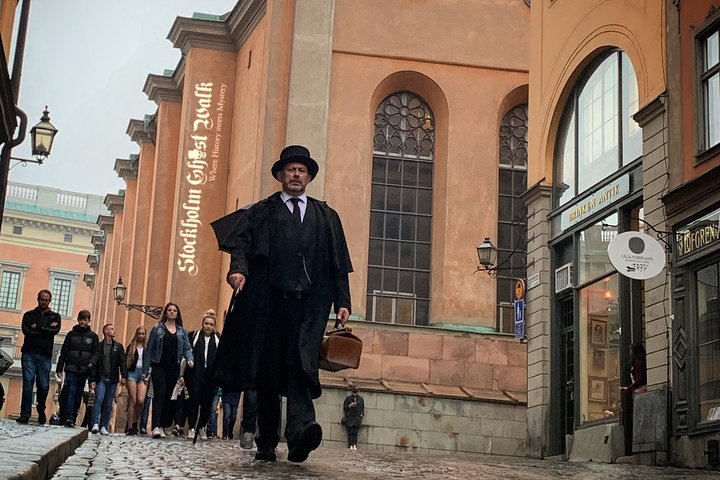
Stockholm isn't just another European capital—it's a living, breathing work of art built across 14 islands where centuries of history meet cutting-edge Scandinavian design. The moment you step off the plane at Arlanda Airport, you'll understand why locals move about their city with such quiet pride. Medieval alleyways spill into sleek design studios, world-class museums sit alongside cozy fika cafés, and the archipelago's 30,000 islands are literally at your doorstep. Whether you're a history buff drawn to the Vasa Museum's 17th-century warship, a design lover hunting for minimalist treasures, or a nightlife enthusiast ready to experience Stockholm's vibrant bar scene, this Stockholm travel guide 2026 will help you navigate the city like a seasoned traveler. We've walked these streets, explored these museums, and sipped espresso in these hidden gems—now we're sharing everything you need to know to make your Stockholm trip unforgettable.
When to Visit: Why May Through September 2026 is Peak Season
Stockholm is a city of extremes when it comes to seasons, and timing your visit dramatically changes the experience. The absolute best months for a Stockholm travel guide 2026 itinerary are May through September, when the city experiences the famous Scandinavian light that lingers until nearly midnight. During summer (June-August), Stockholm basks in nearly 18 hours of daylight—locals call it "light nights," and it's genuinely magical.
May is perfect if you want to avoid the most intense tourist crowds while still enjoying pleasant weather (55-64°F / 13-18°C). You'll find fewer people queuing at the Vasa Museum and can actually breathe in Gamla Stan's narrow alleyways. June brings the summer solstice—locals celebrate Midsummer with parties across the city and archipelago, though accommodations book up fast. July and August are warmest (64-73°F / 18-23°C) but also most crowded; expect 500,000+ additional tourists during these peak months.
September is a hidden gem for your Stockholm travel guide 2026 planning. Schools resume, visitors thin out, and the autumn light turns the city golden. Temperatures hover around 55-61°F (13-16°C)—perfect for walking. Winter (November-March) transforms Stockholm into a storybook Nordic setting with Christmas markets and Northern Lights possibilities, but temperatures plummet to 28-36°F (-2 to 2°C), museums get more crowded, and daylight shrinks to just 6 hours.
Booking your flights during shoulder season (May or September) can save 20-30% compared to July prices. Book flights to Stockholm well in advance—at least 6 weeks for May and September departures, 8-10 weeks for summer travel.
Where to Stay: Neighborhoods Beyond Gamla Stan for Design Lovers
Everyone talks about staying in Gamla Stan (Stockholm's medieval old town), but here's the insider secret: the real Stockholm experience happens in neighborhoods where locals actually live. Yes, Gamla Stan is stunning—all cobblestone streets and 16th-century buildings—but hotels there run $250-450 USD per night for mid-range options, and you're surrounded by tour groups 24/7.
Norrmalm is where Stockholm's beating heart actually lives. This central neighborhood, anchored by central Stockholm train station, has been completely revitalized in recent years. You'll find the contemporary design scene, trendy restaurants, and bars where Yuki Tanaka, a city-break traveler on wondr, found her favorite nightlife spots. "Norrmalm's bar scene is incredible—I discovered speakeasies hidden behind unmarked doors on Birger Jarlsgatan," she shared. Hotels here range $180-280 USD per night, and you're genuinely in the action.
Södermalm ("Söder") sits south of Old Town and is beloved by creatives, designers, and young professionals. The neighborhood radiates bohemian charm mixed with upscale boutiques. Wander down Folkungagatan and Bondegatan for vintage shops, independent cafés, and design galleries. A mid-range hotel runs $160-240 USD. James Chen, a general traveler on wondr, stayed here and found the neighborhood more relaxed than central areas while still feeling cosmopolitan.
Östermalm (east of center) caters to luxury travelers with its tree-lined streets and upscale dining. This is Stockholm's wealthy enclave, and it shows—the vibe is polished, restaurants are high-end, and hotels cost $220-400 USD per night. Stay here if you want to feel like you're living in a chic Stockholm apartment, not visiting.
Djurgården is Stockholm's island gem—literally connected by bridges, home to world-class museums, gardens, and the only place in Stockholm where you can walk through untouched forests while still inside the city limits. Hotels are fewer (mostly mid-range, $150-220 USD) but the location is incomparable for museum lovers.
Find hotels in Stockholm and search by neighborhood to match your travel style. Book accommodations 8-12 weeks ahead for May-September travel.
Essential Museums: Vasa, ABBA, and Hidden Cultural Gems
A proper Stockholm travel guide 2026 must emphasize that this city punches above its weight for museum quality. The Vasa Museum is non-negotiable—it's genuinely one of Europe's most fascinating attractions. The museum houses the only intact 17th-century warship in the world, which sank in Stockholm harbor on its maiden voyage in 1628. The ship is enormous, haunting, and oddly moving. Admission is $22 USD. Pro tip: go on weekday mornings (Tuesday-Thursday, 9:30-10:30 AM) to avoid lines. The audio guide is $8 USD extra and genuinely worth it—you'll learn incredible details about 1600s maritime life.
ABBA The Museum surprised even skeptics. If you grew up loving ABBA or are curious about one of Sweden's greatest cultural exports, this interactive museum is brilliantly done. You'll find original costumes, recording studio recreations, and yes, you can sing karaoke on a replica of the Eurovision stage. Admission is $24 USD. Located on Djurgården island, it pairs perfectly with museum-hopping in that area.
The Swedish History Museum (Historiska Museet) gets overlooked but shouldn't be. The Viking exhibition is phenomenal—real artifacts, weapons, jewelry, and burial goods tell the story of Stockholm's brutal Nordic past. Admission is $15 USD, and the café serves excellent Swedish pastries ($6-8 USD).
The Fotografiska (photography museum) in Södermalm showcases cutting-edge contemporary photography across multiple galleries. If you're a design or visual arts lover, this is essential. Admission runs $16-20 USD depending on exhibitions. The rooftop café offers city views and costs $5-7 USD for coffee.
Don't miss the Nordic Museum (Nordiska Museet) on Djurgården—it's massive, covering Swedish culture, traditional dress, and design from the 1600s to present day. It's less crowded than Vasa and admission is only $16 USD. Sarah Mitchell, a general traveler on wondr, called it "the best museum for actually understanding how Swedes think and live."
A Stockholm travel guide 2026 traveler should plan 4-5 museum days if you're serious about culture. Consider the Stockholm Museum Card (72-hour pass for $65 USD) if visiting multiple museums—it covers 80+ attractions and pays for itself after 3 major museums.
Must-Visit Neighborhoods: Gamla Stan, Djurgården & Hidden Corners
Gamla Stan (Old Town) is where Stockholm's soul lives. Unlike other European old towns that feel reconstructed, Gamla Stan genuinely dates to the 13th century—those are real medieval buildings, real narrow streets laid down 700 years ago. The main square, Stortorget, is absolutely stunning, especially in morning light. Arrive before 8:30 AM to photograph it nearly empty before tour groups arrive. Wander down Västerlånggatan (the main shopping street—somewhat touristy) then duck into Prästgatan, the quieter parallel street where locals actually walk. You'll find independent galleries, quirky gift shops, and real neighborhood cafés. Budget 2-3 hours for Gamla Stan if you're leisurely; 1 hour if you just want highlights.
Must-see spots in Gamla Stan: - Stortorget Square: the heart, surrounded by 16th-century buildings - Storkyrkan Cathedral: the city's oldest church (free entry, $5 USD donation requested) - Royal Palace: official residence of the Swedish monarchy, open to visitors ($18 USD) - Järntorget Square: home to the Nobel Museum and cafés with archipelago views
Djurgården is a 300-acre island that feels like you've escaped the city entirely. This neighborhood is home to Vasa Museum, ABBA Museum, Skansen open-air museum, and Gröna Lund amusement park. But beyond attractions, Djurgården is simply beautiful—tree-lined paths, small beaches, and views across the archipelago. Walk from the Vasa Museum down toward Blockhusudden point (about 1.5 km) and you'll see why locals call this their "lungs." Spend a full day here.
Södermalm should be where you actually live during your visit (even if just a day exploring). This neighborhood is where you'll find Stockholm's real design scene. Walk down Folkungagatan for vintage boutiques and independent coffee shops. Check out Möseback Torg square—surrounded by excellent restaurants and with city views from the elevated plaza. Emma Rodriguez, a general traveler on wondr, spent half her trip just wandering Södermalm's side streets. "I found the best vintage furniture stores, tiny design studios, and the most authentic fika cafés," she noted.
Norrmalm is Stockholm's commercial heart and surprisingly rewarding for exploration. The Kulturhuset (Culture House) is a stunning 1970s building worth seeing just for architecture ($12 USD entry, or free to explore the ground floor). Sergels Torg square is the city's main plaza—modern, energetic, full of life. Walk down Drottninggatan (Queen Street), the main shopping drag, and branch into side streets for boutiques and galleries.
Skeppsholmen is a tiny island connected by bridge, housing world-class museums like the Museum of Modern Art (admission $16 USD) and Museum of Architecture (admission $12 USD). The island also has beautiful waterfront walks and museums that feel uncrowded compared to Gamla Stan attractions.
Each neighborhood offers a completely different Stockholm experience—you need at least 4-5 days to experience them authentically.
Dining: From Michelin Stars to Authentic Fika Culture
Stockholm's food scene has exploded in recent years, and a proper Stockholm travel guide 2026 must address where to eat. The city now has 19 Michelin-starred restaurants, but the best meals often happen in casual settings.
Fine Dining (if you want to splurge): - Frantzen (3 Michelin stars): Considered one of Scandinavia's best restaurants. Tasting menu only, around $420 USD per person. Book 2-3 months ahead through their website. - Submarine (2 Michelin stars): More affordable Michelin dining, around $180 USD for dinner. Located in Gamla Stan. - Erland Kolind (1 Michelin star): Exceptional seafood with Nordic focus, around $120 USD.
Mid-Range Excellence ($25-50 USD per person): - Oaxen Slip (Djurgården): Seafood-focused, modern Nordic cuisine. Their lobster course is incredible. Outdoor seating overlooks the archipelago. - Operakällaren (Norrmalm): Historic restaurant since 1787, French-Swedish fusion. Lunch specials run $35-40 USD; dinner $50-70 USD. - Café Moment (Södermalm): Hidden gem on a back street. Fresh pasta, reasonable prices ($20-28 USD), authentic atmosphere where locals eat.
Authentic Swedish Classics ($15-25 USD per person): - Pelikan (Södermalm): Historic tavern serving traditional Swedish comfort food—meatballs, herring, cured salmon. Cash recommended. - Tennstopet (Gamla Stan): Another old-school Swedish spot in a 17th-century building. Try the gravlax or reindeer. - Ulla Winbladh (Djurgården): Garden restaurant serving traditional Swedish cuisine overlooking the archipelago.
Fika Culture (the Swedish coffee break tradition): Don't just grab coffee—experience fika properly. It's a sacred Swedish ritual of taking a 15-30 minute break with coffee and a pastry, meant for pause and connection. - Vete-Katten (Norrmalm): Historic fika café since 1928. Their cinnamon bun (kanelbullar) is legendary ($4 USD). Arrive by 10 AM before they sell out. - Cafe Rosendal (Djurgården): Cozy spot with outdoor seating. Excellent cardamom buns ($3.50 USD), organic coffee ($5 USD). - Stockholms Fika (Södermalm): Tiny, locals-only vibe. Their pastries rotate daily ($3-4 USD).
Markets & Street Food: - Östermalm Market Hall (Östermalmsallen): Historic market since 1888. Ground floor has prepared foods ($8-15 USD), upper floors have specialty ingredients. Try fresh shrimp sandwiches ($14 USD). - Södermalm Antiques & Food Market (weekends): Stalls with vintage goods and street food. Perfect for Saturday morning wandering. - Night markets (summer weekends): Pop-up markets in various neighborhoods with food stalls, live music, craft vendors.
Budget Strategy: Restaurant prices in Stockholm run 20-30% higher than other European cities. A simple lunch costs $15-20 USD; dinner at a casual restaurant runs $25-40 USD. Wine is expensive ($60+ USD for decent bottles in restaurants; buy from Systembolaget liquor stores for $15-25 USD bottles). Many restaurants offer lunch specials (weekdays only) for $18-25 USD—take advantage of these.
Archipelago Boat Day Trip: Stockholm's Water Escape
One of the most magical experiences in a Stockholm travel guide 2026 involves leaving the city entirely—via boat. The Stockholm Archipelago stretches across the Baltic with 30,000 islands and skerries. This isn't hyperbole; it's one of the world's largest archipelagos, and you can reach it by ferry in 20 minutes.
Best Archipelago Experiences:
Vaxholm Island (30 minutes by ferry, $8 USD round-trip): This is the quintessential Swedish summer island. The picturesque coastal town has red and white cottages, fresh seafood restaurants, and a historic fortress. Spend 3-4 hours here. Stay for lunch at one of the waterfront restaurants ($20-30 USD for fresh catch) and walk around the fortress ruins. Very accessible for first-time archipelago visitors.
Drottningholm Island (30 minutes by ferry, $10 USD round-trip): Home to the royal family's summer palace, this island combines history with natural beauty. The palace is stunning—and markedly less crowded than city attractions. Admission to the palace is $18 USD. Walk the grounds, grab lunch at one of the island's cafés, and return by ferry at sunset. Rachel Green, a general traveler on wondr, called Drottningholm "the most peaceful afternoon in Stockholm—you forget you're still technically in the city."
Fjäderholmarna Islands (15 minutes by ferry, $6 USD round-trip): A cluster of tiny islands with galleries, restaurants, and museums. Less touristy than Vaxholm. Excellent for artists and photographers. Many Stockholm locals day-trip here in summer for the beaches and outdoor dining.
Full-Day Archipelago Cruise: Several companies offer 8-10 hour guided cruises ($80-120 USD per person) that hit 3-4 islands with lunch included. Strömma Kanalbolaget and Waxholmsbolaget are the main operators. These cruises are touristy but genuinely impressive—you'll see landscapes that make you understand why Swedes are obsessed with their archipelago.
Pro Tips for Archipelago Visits: - Bring a light jacket—water reflects cold even in summer - Ferries run frequently (every 30-60 minutes) but check schedules; last ferries depart islands around 10 PM in summer - Many island restaurants accept cards, but bring some cash—smaller cafés can be cash-only - Swim in designated areas; Stockholm archipelago water is clean and refreshing in summer (around 64°F / 18°C) - The archipelago is dramatically less crowded on weekdays—if possible, do your boat trip Tuesday-Thursday
A properly executed Stockholm travel guide 2026 itinerary includes at least one full day on the archipelago. This is where you'll see the Swedish landscape that inspired all those cozy hygge concepts you've been reading about.
Find Travel Companions for Stockholm
Planning a Stockholm trip? You don't have to navigate this magnificent Nordic city alone. Several travelers on wondr are actively looking for companions to explore Stockholm together during 2026, making it easier than ever to find someone who matches your travel style and interests.
Whether you're a solo traveler wanting to split hotel costs, a design enthusiast looking for someone to explore Södermalm's galleries with, or a history buff eager to discuss what you've learned at the Vasa Museum, wondr connects you with compatible travel companions before you even book your flight.
The companion-finding process is simple: Browse other travelers heading to Stockholm, check their interests and travel styles (are they foodies? photographers? budget-conscious?), and connect with those whose vibe matches yours. You can plan museums together, split AirBnB costs, meet for fika at local cafés, or explore the archipelago as a small group. Many wondr travelers find that having a companion makes a city trip significantly more enjoyable—plus splits accommodation costs by 40-50%.
Already booked your Stockholm trip solo and want to meet people? You can also use wondr to find companions after you arrive, though booking ahead gives you time to plan activities together and secure group discounts on certain museums and boat tours.
[Find travel companions heading to Stockholm on wondr](/find-companions/stockholm) and start connecting today. With multiple travelers actively looking to meet others, you'll likely find someone perfect for your Stockholm adventure. Whether you're traveling in May, June, or September 2026, having a companion makes this incredible city even more memorable.
Practical Logistics: Visas, Currency, Transport & Safety
Visas & Entry: Citizens of the US, Canada, Australia, New Zealand, and most EU countries don't need a visa for Sweden—you get 90 days visa-free as a tourist. Just ensure your passport is valid for 6 months beyond your intended stay. Check official Sweden travel information for current requirements. For non-visa-exempt countries, apply through the Swedish Migration Agency online.
Currency & Money: Sweden uses the Swedish Krona (SEK). As of 2026, 1 USD = approximately 10-11 SEK, though exchange rates fluctuate. Swedish businesses are increasingly cashless—contactless payments are standard everywhere. Withdraw cash at ATMs (no fees at major Swedish banks) only if visiting small islands. Credit cards (Visa, Mastercard) work almost universally. Tip 10-15% at restaurants if service is good (not mandatory).
Getting Around Stockholm: - Public Transport: The Stockholm Public Transport system (SL) is excellent. A 24-hour pass costs $15 USD, 72-hour pass costs $38 USD. Get these at subway stations or convenience stores. The system includes subway (tunnelbana), trams, and buses. Navigation apps like Google Maps and Citymapper work perfectly. - Subway: Modern, clean, extremely safe. Covers most of the city. Peak times are 7-9 AM and 4-6 PM. - Walking: Central Stockholm is incredibly walkable—you can walk from Gamla Stan to Djurgården in 25 minutes. Comfortable walking shoes are essential. - Bikes: Stockholm has an excellent bike-sharing system (City Bikes). Rent for $5 USD per day. Biking is how locals get around. - Taxis: Only use official white taxis with meters. Regular Uber and Bolt are available ($8-15 USD across the city). Never hail unofficial taxis.
Airport to City (Arlanda, 40 km north): - Train (recommended): Arlanda Express train takes 20 minutes to central station, costs $22 USD one-way. Runs every 10-15 minutes, 5 AM-midnight. - Bus: FlixBus or airport buses take 45-60 minutes, cost $8-12 USD, depart every 15-30 minutes. - Taxi: Around $60-75 USD, 40-50 minutes depending on traffic.
Safety: Stockholm is extremely safe—one of Europe's safest cities. Crime is low, police presence is visible, and public spaces are well-lit and monitored. Standard urban precautions apply (don't flash expensive items, avoid sketchy areas late at night), but violent crime against tourists is exceptionally rare. Check current US State Department travel advisories for up-to-date safety information.
Language: English is widely spoken—roughly 80% of Swedes speak English fluently. Signs are in both Swedish and English. You'll have zero language barriers as a tourist. However, learning a few Swedish words ("tack" = thank you, "ja" = yes, "nej" = no) makes locals smile.
Electrical: Sweden uses 220V, 50 Hz with Type C/Type E plugs (European standard). Bring an adapter if your devices use different plugs.
Health Insurance: Ensure you have travel health insurance—while Sweden's healthcare is excellent, you'll need insurance to access it as a tourist. Most travel policies cover Stockholm.
Best Weather Check: Stockholm in May-September is reliably pleasant. Check weather before your trip but don't obsess—even rainy Stockholm days are manageable (Swedes say there's no such thing as bad weather, only bad clothing).
💡 Quick Tips
- →Book major museums in advance (Vasa, ABBA) to skip lines, especially during July-August. Most accept online reservations for $2-3 USD extra.
- →Visit Gamla Stan in early morning (before 8:30 AM) to experience it without tour groups—it's a completely different city when quiet.
- →Use the 72-hour Stockholm Museum Card ($65 USD) if visiting 3+ major museums—saves $20-30 USD compared to individual admissions.
- →Take one full archipelago boat day trip; this is uniquely Stockholm and worth the time investment. Vaxholm is the easiest first island to visit.
- →Experience fika properly: sit down, have coffee with a pastry, and take 20 minutes to pause. This is how Swedes actually live.
- →Walk across every bridge you see—Stockholm's bridges offer different perspectives on the city's geography and architectural transitions.
- →Download the SL app for real-time transit information; it's more reliable than relying on station signs.
- →Shop for spirits and wine at Systembolaget (state-run liquor stores) rather than restaurants—prices are 50% cheaper for take-away.
Share this destination
Ready to visit Stockholm?
See hotels, activities, and deals — or let AI build your full itinerary.