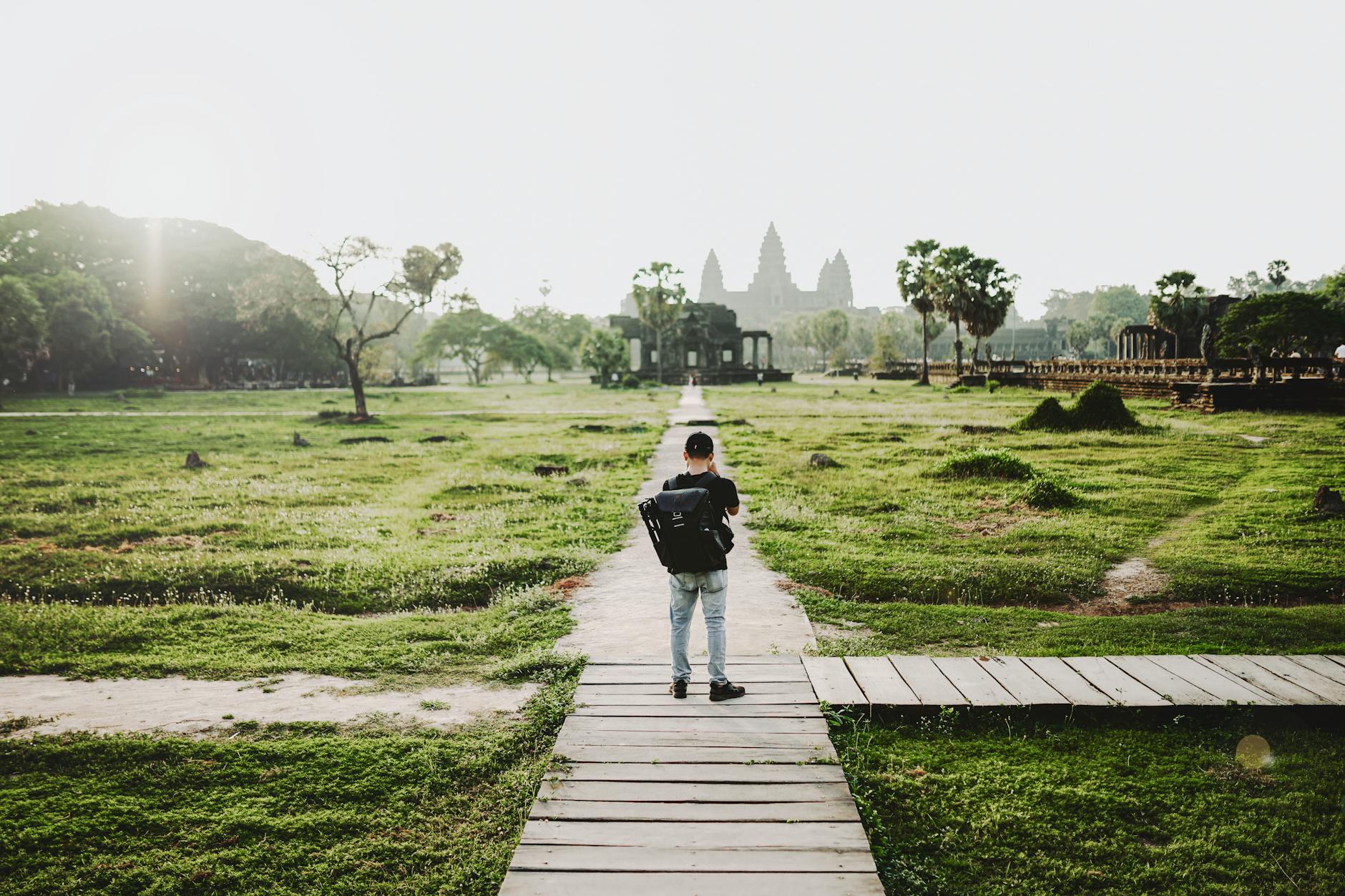

Siem Reap is so much more than Angkor Wat. Yes, the sunrise over the temple complex is absolutely worth the early wake-up call—but if you're spending more than three days here, you'd be missing out on the incredible day trips from Siem Reap worth taking that reveal the true heart of Cambodia. While most travelers stick to the main temple circuit, the surrounding regions offer everything from morning boat rides through floating villages to encounters with Khmer artisans keeping centuries-old traditions alive. The best part? These day trips from Siem Reap worth taking won't break your budget. Many are accessible for $15–$50 per person when booked through local guides or your accommodation. I've spent weeks exploring the areas around Siem Reap and talked to dozens of travelers who've done the same. This guide covers the day trips that actually deliver—the ones that locals recommend and travelers return home raving about. Whether you're a history obsessive, a photography fanatic, or someone who just wants to experience authentic Cambodia beyond the tourist trail, there's something here for you.
Tonle Sap Lake & Floating Villages: An Early Morning on the Water
If you're looking for day trips from Siem Reap worth taking that genuinely showcase rural Cambodian life, Tonle Sap Lake is non-negotiable. This is the largest freshwater lake in Southeast Asia, and it's surrounded by floating villages where entire communities—schools, temples, markets, fish farms—literally exist on the water.
Most visitors book a tour through their accommodation or a local operator. Tours typically depart at 7:00 AM from Siem Reap town and cost $25–$45 per person (negotiate if you're going in a group). You'll visit 2–3 villages: Kompong Phluk is the most accessible and touristy; Kompong Khleang is larger and more authentic; and Boeung Tonle Sap is a working village less geared toward visitors.
What to expect: You'll travel in a small wooden boat for about 45 minutes, passing fish traps and water-based homes. The guides will take you to crocodile farms and fish breeding centers—some travelers appreciate these stops, others find them touristy. I'd recommend requesting a tour that focuses on visiting actual homes and schools instead.
As Sarah Mitchell, a traveler on wondr who explored Cambodia extensively, notes: "The floating villages are best visited early morning before the heat becomes overwhelming and the big tour groups arrive." She's right—aim for a 7:00 AM departure and you'll have the lake mostly to yourself.
Pro tip: Wear sunscreen liberally. The water reflects the sun intensely, and you'll be exposed for 3–4 hours. Bring a hat and a light long-sleeve shirt. Most boats have minimal shade. The lake's water level fluctuates dramatically seasonally—during the dry season (Nov–Feb), boats can't access some areas, so confirm with your operator beforehand.
Artisan Workshops & Traditional Crafts: Meet the Makers
Some of the most rewarding day trips from Siem Reap worth taking don't involve temples or nature at all. They involve meeting the craftspeople keeping Khmer traditions alive.
Silk Island (Koh Dach) is about 35km northeast and accessible via a 45-minute drive plus a 10-minute ferry ride ($3–$5 per person). The island is home to dozens of silk weaving workshops where families have practiced their craft for generations. Tours cost $35–$50 and typically include visits to 3–4 workshops, lunch, and transportation from Siem Reap. You'll watch weavers demonstrate traditional techniques on wooden looms and can purchase directly from makers (scarves: $8–$25, larger pieces: $40–$150).
Artisans Angkor in Siem Reap town itself (though technically not a day trip, it's worth mentioning) is a social enterprise training young Cambodians in traditional crafts. You can visit the workshop ($5 entry, waived if you purchase anything), watch artisans at work, and support a legitimate cause.
For wood carving and stone work, head to Puok District, about 45km from Siem Reap. Villages here specialize in intricate wooden door frames and stone sculptures. A guided day trip runs $40–$60 per person and is best arranged through your hotel or via established operators. The work is stunning—and buying directly supports artisans far more than purchasing from tourist shops.
As Marcus Johnson, a budget traveler on wondr, discovered: "Visiting artisan workshops directly meant I could purchase beautiful handmade pieces at honest prices—and actually meet the person who created them. That's worth so much more than any souvenir shop."
Remote Temples Beyond Angkor: Beng Mealea & Kbal Spean
Angkor Wat, Bayon, and Ta Prohm get all the attention—rightfully so, they're extraordinary. But if you're spending 4+ days in Siem Reap, exploring remote temples as day trips from Siem Reap worth taking will give you a very different, often more meditative temple experience.
Beng Mealea is about 65km east and feels like discovering a temple that time forgot. Unlike Angkor's well-maintained complexes, Beng Mealea is overgrown and crumbling—massive stone blocks are draped in vines, and entire chambers are gradually being reclaimed by jungle. The atmosphere is genuinely atmospheric and less crowded. Tours cost $45–$65 per person (full day, including Angkor pass if you haven't used yours). The drive is long but worthwhile—you'll need an early start (6:30–7:00 AM) and you'll be back by 4:00 PM.
Kbal Spean ("Bridge Head") is a sacred site about 50km north featuring a river carved with hundreds of small linga sculptures and intricate reliefs. You'll hike about 2km uphill through forest to reach the carvings and a small waterfall. It's a gorgeous, less-touristy experience—tours run $40–$55 per person and the physical demands are minimal (though the hike involves some stairs). The site is spiritual and quiet, especially if you arrive mid-morning after the dawn crowds.
Roluos Group temples (Bakong, Preah Ko, Lolei) are about 15km south and represent some of Cambodia's oldest standing structures, dating to the 9th century. A self-guided visit is entirely feasible—hire a tuk-tuk for the day ($12–$15) and spend 3–4 hours exploring at your own pace. Many travelers skip these because Angkor is nearby, but they're genuinely rewarding if you're interested in early Khmer architecture.
For combining multiple temples, hire a private driver and guide: roughly $40–$60 for the guide plus $10–$15 for the driver covers a full day. This is more expensive than group tours but allows you to move at your own pace and skip sites that don't interest you.
Countryside Cycling & Agricultural Adventures
For a completely different perspective on the region around Siem Reap, consider day trips from Siem Reap worth taking on two wheels. Cycling through rice paddies and small villages offers authentic encounters that motorized tours can't match.
Osmose (osmoseexperiences.com) operates full-day and half-day cycling and kayaking trips ($55–$85 per person) through the countryside. Tours are genuinely excellent—small groups, experienced guides, and the itinerary includes stops at family-run farms, temples, and homestays where you'll eat lunch with local families. The pace is easy (even for non-cyclists), and the route changes based on season and crop cycles. I've heard consistently positive feedback from wondr travelers about these trips.
Alternatively, rent a bike from your hotel ($3–$5/day) and cycle independently through the quieter roads north and east of Siem Reap town. The area around Bantey Srei (a 10th-century temple about 35km away) is crisscrossed with quiet rural roads. You'll pass family farms, small temples, and villages where you're genuinely an oddity—expect genuine curiosity and waves from locals.
Yuki Tanaka, a city-break traveler on wondr, appreciated the slower pace: "Cycling through the countryside let me experience rural Cambodia without feeling like I was part of a tourist machine. The interactions were real and unhurried."
Important logistics: Start early (6:00–7:00 AM) to avoid midday heat. Bring 2–3 liters of water, electrolyte tablets, sunscreen, and a basic repair kit. Wear a helmet (provided by tour operators). Roads are generally safe, but traffic increases on main highways—stick to village roads. If you go independently, use Google Maps offline and let someone know your planned route.
Battambang: A Charming Colonial Town Worth the Half-Day Drive
About 60km west of Siem Reap, Battambang is technically more of a 2-day excursion than a day trip—but it's worth mentioning because it's an easy journey and offers a refreshing change from Siem Reap's tourist density.
This riverside town features well-preserved French colonial architecture, a slower pace of life, and some excellent riverside restaurants. The drive takes 90 minutes each way. You can visit as a long day trip ($45–$70 all-inclusive with a guide, or self-guided for just the cost of transportation), though most travelers who go choose to stay overnight.
Highlights include Wat Banan (a hilltop temple with views over countryside), the central market, colonial-era buildings along the river, and the incredibly photogenic bamboo train (an informal rail system locals use—now mainly tourist attraction, $15 per person). Several excellent restaurants cluster near the riverside: Sugar Palm serves Khmer cuisine in a charming wooden colonial building ($5–$8 per dish), and the town has several good guesthouses if you decide to stay.
As Andrew Foster noted on wondr after visiting: "Battambang felt like stepping back in time. It's not overrun with tourists, and the local food scene is genuinely excellent."
Logistics: Most hotels in Siem Reap can arrange transportation. Alternatively, use Grab (Southeast Asia's ride-hailing app, similar to Uber) to hire a driver and negotiate a round-trip rate ($50–$70 for the car depending on your negotiation skills). If you choose to overnight, basic guesthouses cost $10–$20/night.
Find Travel Companions for Siem Reap
Many of the best day trips from Siem Reap worth taking are more enjoyable—and more affordable—when shared with other travelers. Group tours split guide costs, tuk-tuk drivers will negotiate better daily rates for multiple people, and honestly, exploring floating villages or cycling through rice paddies is more fun with someone to share the experience with.
Several travelers on wondr are actively looking for companions to explore Siem Reap together. Whether you're a solo traveler looking to split costs, a couple wanting to join a larger group for a temple tour, or a group looking to fill extra seats on a private driver arrangement, wondr makes it easy to connect with like-minded travelers.
On wondr, you can: - Browse open trips to Siem Reap and see exactly what other travelers are planning - Post your own trip and invite companions to join - Filter by travel style (budget, luxury, adventure, culture-focused) and interests - Message potential companions to discuss itineraries, split costs, and coordinate logistics
Common shared-trip scenarios: A group of four splitting a full-day private driver ($60/person instead of $15 individual tuk-tuk fees), solo travelers joining a cooking class ($35/person, more fun in a group), or couples combining resources for a cycling tour.
[Find your travel companions for Siem Reap on wondr](/find-companions/siem-reap) and start planning together. Most travelers report saving 20–30% on activity costs when pooling resources, plus you'll likely make genuine friendships—many wondr connections extend beyond the trip itself.
Practical Logistics: Transport, Costs & Tips
Before you book these day trips from Siem Reap worth taking, here's what you need to know about getting around.
Transport Options: - Tuk-tuks (auto-rickshaws): $12–$18/day for a private driver. Negotiate with drivers outside your hotel or use Grab ($15–$20 per trip depending on distance). For full-day trips, negotiate a package rate. - Motorbikes: Rent from your hotel ($5–$8/day) if you're comfortable driving. Roads are mostly safe, but traffic is unpredictable. Helmet required (bring your own or rent one). - Tour operators: Book through your hotel (they get 20–30% commission, so ask about direct bookings) or use established operators like Osmose, Tara Boat, or Elsewhere (all highly rated). Costs are higher but service is more reliable. - Driving yourself: Possible if you have an international license, though driving culture is chaotic and insurance can be complex.
Currency & Costs: - Currency is Cambodian Riel (KHR); $1 USD ≈ 4,100 KHR (rates fluctuate). US dollars are accepted almost everywhere. - Budget: $30–$50/day for most day trips (transport, guide, lunch). Artisan workshops and remote temples are on the higher end; floating villages and cycling are more budget-friendly. - Lunch during day trips: $3–$6 at local restaurants, $8–$15 if your tour includes meals.
What to Book in Advance: - [Book flights to Siem Reap](/book/flights-to/siem-reap) if arriving during peak season (Nov–Feb). Prices are 20–40% higher in December–January. - [Find hotels in Siem Reap](/book/hotels-in/siem-reap) for accommodation. Budget options are $10–$25/night; mid-range (better quality) runs $25–$60/night. November–February books quickly. - Day trips can typically be booked day-of through your accommodation, though booking 1–2 days in advance ensures better guide quality and smaller groups.
Safety, Etiquette & Health: - Dress modestly when visiting temples: shoulders and knees covered. Temples are sacred spaces—remove shoes when entering prayer chambers. - Haggling is normal for tuk-tuks and with vendors, but be respectful. Offer 70% of the asking price and negotiate up. - Tap water isn't safe; buy bottled water ($0.50/liter). Restaurants catering to foreigners use filtered water, but stick to cooked foods and peeled fruits. - Sunburn is real: Apply SPF 50+ sunscreen every 2 hours. The sun's intensity at 8°N latitude is no joke. - Photography ethics: Always ask before photographing people, especially in villages. Many operators explicitly prohibit photos of floating villages' residents for privacy reasons.
Emma Rodriguez, a well-traveled wondr community member, shared this insight: "The day trips that stuck with me most weren't the busiest ones. I really valued traveling with respectful guides who explained why certain practices mattered—not just a rushed tour of sites."
When to Go & How to Plan Your Trip
Best Season: November–March is ideal for day trips from Siem Reap worth taking. Temperatures are cool (70–85°F), humidity is lower, and the landscape is lush from monsoon rains. Avoid May–October (hot, wet, and less comfortable for full-day activities). April is brutally hot (95°F+).
How Many Days to Spend: - 3 days: Angkor temples (Angkor Wat sunrise, Bayon, Ta Prohm) only - 4–5 days: Add one day trip—Tonle Sap floating villages or Beng Mealea temples - 6–7 days: Combine 2–3 day trips—floating villages, artisan workshops, and remote temples - 8+ days: Include Battambang overnight, cycling adventures, and multiple temple sites
Visa Info: Most nationalities get a 30-day tourist visa on arrival ($35 USD, $25 KHR payment). Have one passport photo ready. The visa can also be obtained pre-arrival online ($25–$40) for less hassle at the airport. You'll need your passport valid for 6+ months.
[Plan your Siem Reap trip on wondr](/plan?destination=Siem%20Reap) and let our AI build a custom itinerary based on your interests, budget, and travel pace. The planner integrates companion-matching, guides to the best day trips, and real traveler feedback so you can confidently plan every detail.
Jessica Walsh, another wondr traveler, shared her approach: "I mapped out the major temples I wanted to see, booked one structured tour (floating villages), and left the rest flexible. That balance meant I could follow local recommendations and adapt based on how I felt each day." That's honestly the best approach—have a framework but stay open to spontaneous detours.
💡 Quick Tips
- →Book Angkor temple passes (required for Angkor Wat, Bayon, Ta Prohm) for $37 (1-day) or $62 (3-day) at the ticketing office near Siem Reap town. Many day trips from Siem Reap worth taking to temples require these passes.
- →Start early: 6:00–7:00 AM departures mean better light for photography, smaller crowds, and cooler temperatures. You'll be back by 4:00 PM, leaving evenings free for Pub Street or night markets.
- →Hire a guide for temple visits if you're interested in history. Solo exploration is fine, but guides ($12–$25/day) explain architecture, historical context, and legends that bring sites to life.
- →Negotiate tuk-tuk rates in the afternoon for next-day trips. Drivers give better daily rates when asked directly rather than through hotels. Expect to pay $12–$18 for a full day, less for half-days.
- →Bring more water than you think you need. A 2–3 liter hydration pack is ideal. Bottled water costs $0.50–$1 but generating plastic waste is avoidable.
- →Visit artisan workshops early in your stay. If you purchase textiles or wooden pieces, you'll have the full trip to transport them without them getting damaged in your luggage.
- →Use offline Google Maps and WhatsApp for communication (WiFi is reliable in Siem Reap town but spotty in countryside villages). Share your location with a trusted contact when exploring remote areas.
- →Eat at family-run restaurants rather than tourist-focused spots. The food is better, cheaper, and your money goes directly to locals. Ask your guide or hotel staff for recommendations.

Share this deal
Ready to visit Siem Reap?
See the full destination guide, compare hotels, and find a travel companion.