
Traveling with kids in Europe doesn't have to mean theme parks and McDonald's. Our family has done 3-week road trips through Portugal, apartment stays in Rome with a 4-year-old, and island-hopping in Greece with a baby. Europe is, despite what anxious parents fear, one of the most family-friendly travel regions on earth — if you know where to go and how to plan.
The Most Family-Friendly European Countries
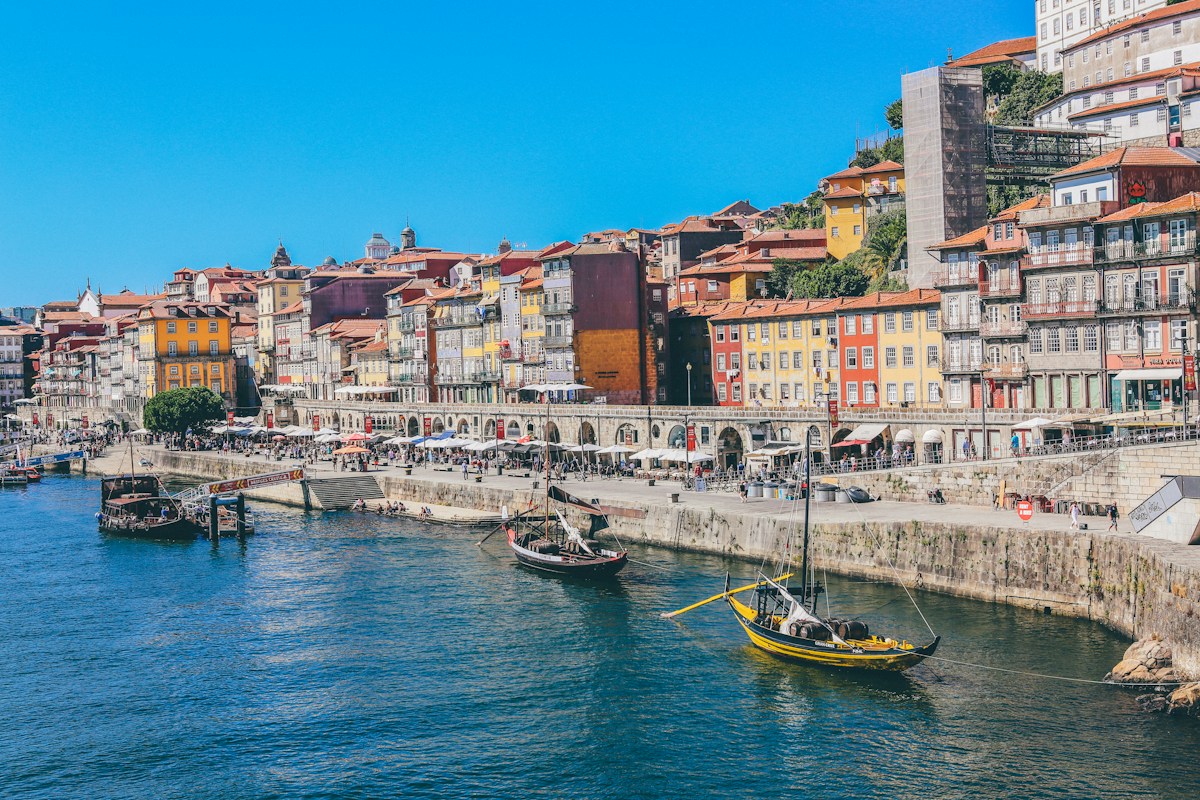
Portugal — Our top recommendation for families. Excellent beaches, affordable family apartments, child-friendly restaurant culture (kids eat free or half price at most restaurants), and a relaxed pace. Lisbon's trams delight kids; the Algarve's cave beaches are genuinely magical.
Italy — Italians adore children and will fuss over yours constantly. Stick to smaller cities (Lucca, Orvieto, Siena) for the best family experience — Rome and Florence can be overwhelming.
Croatia — Clear Adriatic sea, island hopping, affordable family apartments, and kid-friendly coastal towns. Hvar and Korčula are perfect for older kids; Zadar and Split work well with younger children.
Netherlands — The most stroller-friendly country in Europe. Amsterdam's canals are beautiful; the Hague, Utrecht, and Leiden are excellent for families. Keukenhof flower gardens (April-May) is the best organized family attraction in Northern Europe.
Switzerland — Expensive but extraordinary. Mountain railways, Alpine meadows, and Zurich/Bern's immaculate playgrounds. The Swiss train system is the world's best for traveling with kids.
Accommodation Strategies for Families
Apartment rentals — The single most important strategy for family travel. An apartment with a kitchen saves $30–60/day in restaurant costs and lets kids nap without the hotel noise issue. Booking.com has strong European apartment inventory.
Family rooms vs. connecting rooms — European 'family rooms' are often just a double with a sofabed. Connecting rooms give much better sleep quality for everyone. Worth the premium.
Location is everything with kids — Book within 10 minutes walk of your main attractions. Kids don't do well with 40-minute metro commutes. Overpaying slightly for central location saves enormous stress.
Rural agriturismo in Italy or quintas in Portugal — Farm stays with pools, outdoor space, and resident animals are often cheaper than city hotels and dramatically better for young kids. Book 2–3 months ahead for summer.
Managing Logistics: Transport, Food, and Naps
Train travel — Europe's train network is extraordinary for families. Kids often travel free or half price (under 4 free almost everywhere; 4–11 typically 50% off). Trains have dedicated family carriages with more space on many routes.
Car rental — Essential for rural areas, coastal drives, and multiple small towns. ISOFIX child seat availability should be confirmed when booking (never just assume).
Food strategy — Europe's child-friendly food culture varies enormously. Italy will feed your children magnificently. Pack snacks obsessively; hungry toddlers derail entire itineraries.
The nap question — For children under 3, plan activities around nap times. Don't fight the nap schedule — it's not worth it.
Childcare abroad — wondr's babysitter feature connects families with verified local childcare providers at their destination. One evening out at a proper adult restaurant with a local babysitter makes the whole trip.
Best European Destinations by Children's Ages
Babies (0–18 months): Portugal's Algarve (warm, accessible beaches), Amsterdam (flat and pram-friendly), Tuscany (rural, relaxed pace). Avoid: historic city centres with cobblestones, extreme summer heat.
Toddlers (18 months–4 years): Swiss Alps in summer (meadows, mountain trains), Croatia's Dalmatian coast (safe shallow beaches), Copenhagen (Tivoli Gardens, excellent museums).
Primary age (5–10 years): Rome (history comes alive), Paris (Eiffel Tower, excellent museums), Barcelona (architecture, Barceloneta beach). They can handle more walking and earlier wake-ups for big sight visits.
Teens (11+): Iceland (waterfalls and Northern Lights), Portugal's surf towns (Ericeira, Sagres), Berlin (history, culture, street food). Involve them in planning — their buy-in transforms the trip.
💡 Quick Tips
- →Book family apartments on Booking.com with kitchen access — saves $40-60/day vs. eating every meal out
- →Travel in shoulder season (May, June, September) — 30% cheaper and much less crowded
- →European children's museums are often excellent — Cité des Enfants in Paris, Nemo in Amsterdam
- →Always have snacks, a change of clothes, and entertainment downloaded offline
- →Travel insurance is essential with kids — medical coverage and cancellation protection
- →Involve children in destination research — a child who chose Pompeii will be more engaged than one dragged there

Share this deal