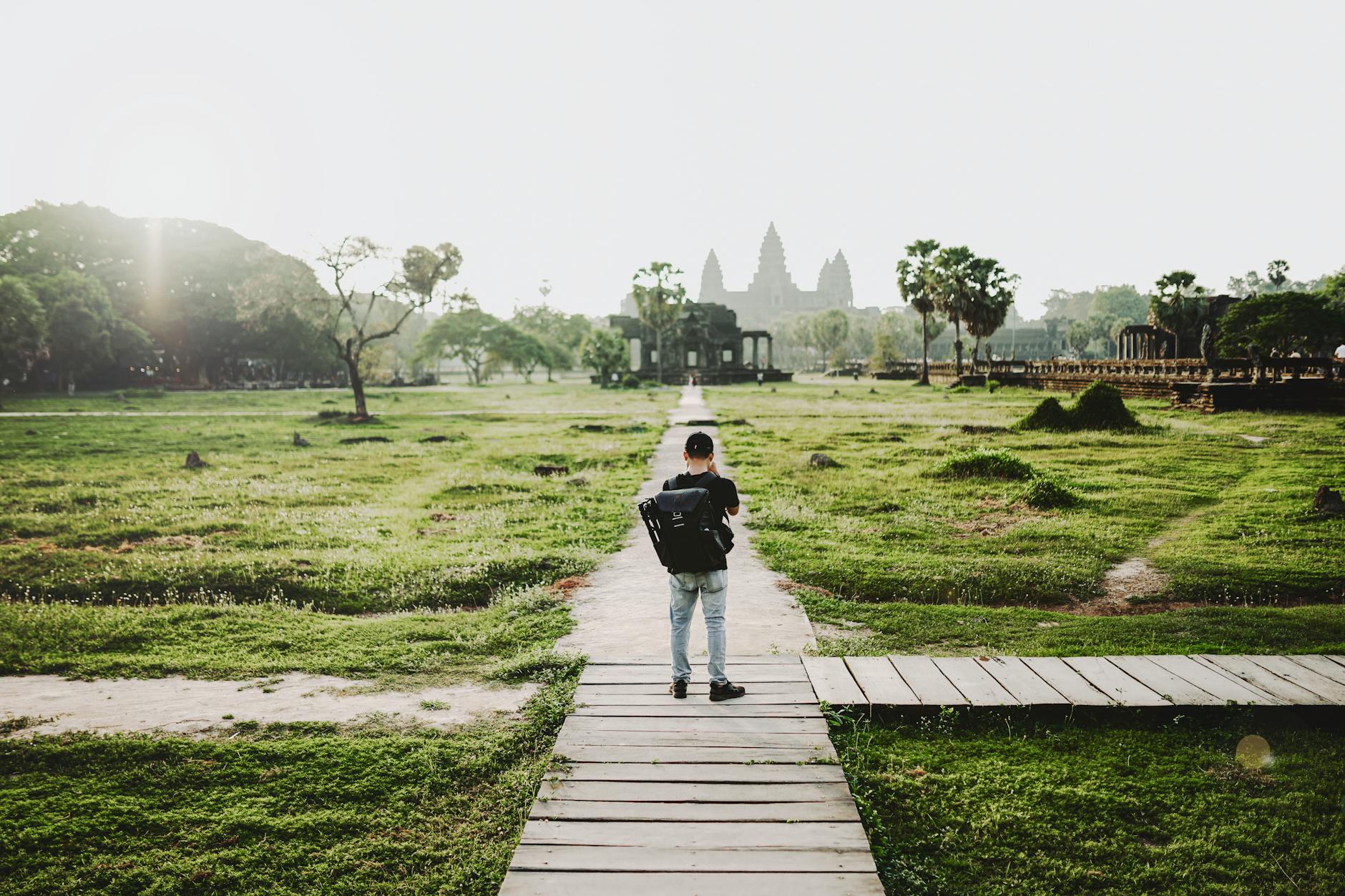

Siem Reap has a magnetic pull on travelers worldwide. Whether you're standing at sunrise before Angkor Wat's towering spires or wandering through the sensory chaos of the night market, you'll notice something special: this isn't a place most people explore alone. The town has an almost gravitational effect that draws solo travelers, backpackers, and adventure seekers together—and the question of how to meet other travelers in Siem Reap becomes less about strategy and more about choosing which community to join. The truth is, Siem Reap is perhaps one of the easiest Southeast Asian destinations to make travel friends. The infrastructure is built for it. The culture welcomes it. And the sheer volume of travelers passing through means you're almost guaranteed to find your people, whether that's sunrise-chasing photographers, budget adventurers, or digital nomads seeking a longer stay. This guide will walk you through every proven method—the hostels with the best social scenes, the tours where friendships actually form, the neighborhoods where travelers congregate, and the practical platforms that help you connect before you even arrive.
Why Siem Reap is Perfect for Meeting Fellow Travelers
Before diving into the tactics, understand why Siem Reap has earned its reputation as one of Asia's best destinations for making travel friends. The town sits at a geographic and cultural crossroads: it's the gateway to Angkor Wat, one of humanity's greatest architectural achievements, which means nearly every visitor has at least one shared experience. More importantly, Siem Reap has developed a genuinely welcoming infrastructure around tourism without losing its soul.
The town's layout naturally creates convergence points. Pub Street (Street 8) is the obvious one—a two-block stretch of bars and restaurants designed for exactly this purpose. But beyond the obvious, neighborhoods like Slor Kram (the artistic quarter) and areas around the night market create organic gathering spaces where travelers naturally intersect. The cost of living is incredibly low, which means travelers can afford to stay longer and dig deeper, building real connections rather than rushing through.
Marcus Johnson, a seasoned traveler on wondr, shares: "Siem Reap has this magical quality where you can spend three days and make ten friends, or three weeks and feel like you've found a second home. The temples draw everyone, but the town keeps them around." The combination of world-class historical sites, vibrant Khmer culture, and genuine hospitality creates the perfect petri dish for meaningful travel friendships. Visitors arrive inspired by Angkor's grandeur and stay for the community.
Best Hostels & Guesthouses for Meeting Travelers
The hostel scene is your most reliable starting point for how to meet other travelers in Siem Reap. Unlike some Southeast Asian destinations where the backpacker infrastructure feels tired, Siem Reap's hostels are genuinely social spaces designed for connection.
Mad Monkey Hostel ($12-18/night) on Pub Street is legendary for a reason. It's not the cheapest option, but the rooftop bar practically assembles travelers on its own. They run nightly happy hours (5-7 PM), organize group dinners, and have a genuine community feel rather than just being a bed warehouse. The staff actively facilitates introductions, and breakfast is included with most beds. Expect to meet people from 15+ countries on any given evening.
The Boxers Kampuchea ($10-15/night) operates two locations and has cultivated a cult following among budget travelers. Their pool area is a genuine hangout spot—people gather there to plan tours, swap stories, and organize group dinners. Unlike some party-focused hostels, this one attracts a mix of ages and travel styles. Emma Rodriguez, a travel enthusiast on wondr, notes: "The Boxers feels like staying with friends rather than in a hostel. The staff remembers your name, and there's always someone to share meals with."
Sokhem Guesthouse ($8-12/night) near the night market is where you'll find the budget-conscious crowd. It's smaller and more intimate than the mega-hostels, which creates a different kind of connection—deep rather than broad. They organize a weekly group dinner and cooking class ($15 per person) that's become an unofficial institution.
Tara House ($14-20/night) caters to slightly older travelers (late 20s-40s) and digital nomads. They have a common workspace, regular movie nights, and a philosophy of building community rather than just renting beds. The quality is higher, but so is the likelihood you'll find people interested in deeper travel conversations.
When choosing a hostel, don't just check the reviews about cleanliness—read the comments about atmosphere. Ask directly if they have group activities planned. The best hostels for meeting people actively facilitate gatherings rather than just hoping they happen.
Group Tours & Activities Where Friendships Form
One of the smartest strategies for how to meet other travelers in Siem Reap is to book shared group experiences. Unlike private tours, shared experiences create natural bonding through shared wonder and logistics.
Angkor Wat Sunrise Tours ($25-40) are where most meaningful connections start. You're meeting at 4:30 AM in the darkness, traveling together to the temples, and sharing one of the world's greatest sunrises. There's something about witnessing that moment together—the sky shifting from deep purple to rose to gold while 1,000-year-old stone comes alive—that creates instant camaraderie. Most tours include 5-8 people maximum. Popular operators include Osmose Adventures ($35, includes breakfast and guide training) and Free Walking Tours Siem Reap (tips-based, very social group).
Ta Prohm (the Tomb Raider Temple) group tours ($30-50 for full-day Angkor pass with guide) often attract the same crowd of travelers. Three or four hours exploring those massive trees growing through ancient stones creates natural opportunities for conversation. Your guide will be local and knowledgeable, but the group's energy is what sticks with you.
Tonle Sap Floating Village tours ($35-60) are equally social. You're on a boat, you're seeing a unique ecosystem, you're meeting a completely different side of Cambodian life. Tara Boat ($45) is consistently rated highest for both experience quality and social atmosphere among travelers.
Cooking classes are underrated as travel friendship catalysts. Classes like Khmer Cooking Class ($12-18 near the night market) put 6-10 travelers in a kitchen together for 3-4 hours, learning to make amok, lok lak, and papaya salad. You're buying ingredients at the market together, cooking side-by-side, and then eating what you created. Andrew Foster, a budget traveler on wondr, says: "The cooking class was where I met the crew I traveled with for the next two weeks. Something about creating food together breaks down travel-buddy barriers." By the end, you've not only made friends—you have recipes to remember them by.
Photography walking tours ($20-30) attract a specific, wonderful crowd. If you're a photographer (or think you might be), these 3-hour tours through temples or the night market pair you with others who see the world through a similar lens. Companies like Siem Reap Photo Tours organize these intentionally for social interaction.
Neighborhoods & Hangout Spots to Find Travelers
Physical locations are crucial to understanding how to meet other travelers in Siem Reap. Knowing where to go at what time dramatically increases your chances of striking up conversations.
Pub Street (Street 8) is obvious but undeniably effective. This two-block stretch from the river to Street 9 is where backpacker gravity concentrates. The Malrya and Sok San Bar are the anchor points. Malrya ($3-5 beers) attracts a genuine mix and actually has good music and bartenders who know travel stories. The atmosphere is social without being aggressively party-focused. Evenings after 7 PM are best; happy hour 5-7 PM draws the hostel crowd. You'll meet people who've been in Siem Reap 2 days and people staying 2 months.
The Night Market (Phsar Leu) runs every evening 5 PM-midnight around Routes 6 and 7. This isn't a tourist trap—it's where locals come to eat. Food stalls serve everything from *nom banh chok* (Khmer noodles, $1.50) to fresh mango sticky rice ($1). You'll see clusters of backpackers standing around high tables, trying new foods, comparing notes. The best strategy: arrive around 7 PM, grab food from different stalls, find a table with travelers, and join in. Language rarely becomes a barrier—food is universal.
Slor Kram (Artist Quarter) is where you'll find slightly different travelers. This neighborhood has galleries, vintage shops, artisan coffee spots, and homestays. TOUCH Café ($2-4 coffees) is informal and attracts longer-term travelers, freelancers, and people interested in Cambodian culture beyond the temples. It's quieter than Pub Street but more intentional.
Artisans Angkor (the workshop complex on Route 6) is where you can watch Khmer artisans create silk and wood carvings. Tourist-oriented? Yes. But it's also where you'll find fellow travelers interested in sustainable tourism and cultural engagement. The workshops are genuinely moving, and people naturally want to discuss what they've seen.
FCC (Foreign Correspondents' Club) Siem Reap isn't budget ($6-8 cocktails), but it's excellent for meeting slightly older travelers, expats, and people with deeper Cambodia interest. The rooftop overlooks the town, and the crowd skews thoughtful. Go on Thursday or Friday evening for happy hour (5-7 PM).
Sarah Mitchell, an adventure traveler on wondr, recommends: "Skip the obvious tourist traps and spend an evening at the night market. You'll eat better, spend less, and meet people actually interested in experiencing the place rather than just checking boxes."
Find Travel Companions for Siem Reap
If you want to be even more strategic about how to meet other travelers in Siem Reap, use dedicated travel companion platforms before you arrive. Several travelers on wondr are actively looking for companions to explore Siem Reap together, and connecting ahead of time changes everything.
wondr (wondr-wfriends.com) is a platform specifically designed to help travelers find companions for shared trips. Rather than arriving as a complete stranger, you can browse people planning Siem Reap visits, check their travel style, interests, and dates, and message them directly. The platform's algorithm matches compatible travelers—budget vs. comfort level, activity interests, travel pace, and even meal preferences. Many wondr users have found not just travel companions for a few days, but genuine friends and even travel partners for multiple countries.
The advantage of connecting through wondr before arrival is enormous: you skip the "where should we meet?" logistics, you know you have at least one person you'll connect with on day one, and you can start planning activities together. Whether you're interested in sunrise photography at Angkor, exploring floating villages, or diving deep into Khmer cuisine, you can find someone with matching interests. You also get honest perspectives from other travelers about what they actually want to do—not generic guidebook recommendations.
How to use wondr for Siem Reap: Search the destination, filter by your travel dates and interests, and send thoughtful messages to people whose profiles align with yours. Mention specific things you want to do ("I'm really interested in the floating villages and cooking classes") rather than generic travel chat. The most successful connections happen when you're specific about what you're looking for.
Beyond wondr, Facebook groups like "Siem Reap Travelers" and "Backpackers in Siem Reap" have thousands of active members posting daily. You can join, introduce yourself with your dates and interests, and get immediate recommendations and connection offers. These groups are unfiltered but genuinely helpful.
Reddit's r/siem_reap and r/travel have active communities willing to help with logistics and make introductions if you're arriving on specific dates.
Couchsurfing (couchsurfing.com) isn't just for accommodation—the community events and hangouts are excellent for meeting travelers with similar values and mindsets.
Practical Logistics for Solo Travelers Coming to Siem Reap
Before you arrive, handle these essentials so you can focus on meeting people rather than logistics.
Flights & Transportation: [Book flights to Siem Reap](/book/flights-to/siem-reap) through major hubs like Bangkok or Ho Chi Minh City. Most international connections require a stop; expect $60-150 depending on origin. Siem Reap International Airport is modern and 7 miles from town. Tuk-tuks into the city cost $10-12 fixed rate; negotiate beforehand or use Grab (the Southeast Asian Uber). Most travelers take 45 minutes to reach accommodations.
Accommodation: [Find hotels in Siem Reap](/book/hotels-in/siem-reap) and book your first 2-3 nights before arrival, but don't book the whole stay yet. You'll want flexibility to move if your hostel isn't social or if you've made friends heading elsewhere. Budget options ($8-15/night) cluster around Pub Street, the night market, and Slor Kram. Mid-range ($20-40/night) offers better quality and often better social spaces.
Visa & Currency: US citizens get a 30-day tourist visa on arrival ($30, bring a passport photo). Cambodian Riel (KHR) is the currency, but USD is accepted everywhere (approximately 4,100 KHR = $1). ATMs are abundant; withdraw cash to avoid fees. Daily budget: $15-25/day for food, activities, and accommodation if you're really careful; $30-40 is more comfortable.
SIM Card: Buy a local SIM at the airport (Metfone or Smart Mobile, $2 for activation + $5-10 for 2 weeks of data). This is crucial for using Grab, messaging people you've met, and accessing wondr.
Best Time to Visit: November through March is peak season (cool and dry). December-January is most crowded but offers the best weather. March is hot but cheaper. My recommendation: go January or February for the perfect balance, and you'll meet the most travelers during these months. Yuki Tanaka, a city-break traveler on wondr, notes: "Visit in February for the best vibe—enough travelers to find community, but not so many that everywhere feels crowded."
Safety: Siem Reap is genuinely safe, especially the tourist areas. Use standard precautions: don't flash expensive gear, avoid motorbikes at night if you're unfamiliar with driving, and be cautious with drinks in late-night bars (but this is universal travel advice). The tourist police are helpful and visible. Street food is safe; eat where locals eat.
Cultural Awareness: Learn 3-5 Khmer phrases ("Suos sdei" = hello, "Orkun" = thank you). Remove shoes in temples and homes. Dress modestly at temples (shoulders and knees covered). Cambodians are exceptionally welcoming to respectful visitors. Your interest in their country will be reciprocated with genuine warmth.
Activities & Experiences That Bond Travelers Together
Beyond the obvious temples, certain experiences create the deepest connections between travelers. These are the activities that become inside jokes, shared memories, and reasons to exchange contact information.
Angkor Archaeological Park Multi-Day Pass: Most travelers do the 3-day pass ($62) rather than rushing through in one day. This alone changes the dynamic—you're more likely to see the same people multiple times, recognize faces, and strike up conversations. "Did you see the Bayon at sunrise?" becomes a natural conversation starter. The 3-day pass is genuinely worthwhile; you catch different temples at different times of day, and the crowds feel less suffocating.
Sunrise at Angkor Wat: Book this through your hostel or a tour company. Being surrounded by hundreds of other travelers, all experiencing one of Earth's most breathtaking moments, creates instant solidarity. People naturally turn to neighbors and exchange names and hostel recommendations. It's clichéd but genuinely moving.
Bayon Temple's Smiling Faces: These 216 massive stone faces gaze peacefully in all directions, and the temple's layout encourages exploration. It's less crowded than Angkor Wat, and the intimacy—literally standing beneath those enormous smiles—creates thoughtful conversations about travel, meaning, and why places like this matter.
Ta Prohm (The Tomb Raider Temple): The Hollywood connection draws people, but the reality is more powerful. Massive tree roots have consumed the temple for centuries, creating a landscape that feels like stumbling into nature's temple. Visitors naturally pause here, reflect, and want to discuss what they're witnessing with someone else.
Sunset at Phnom Bakheng: A short tuk-tuk ride from town, this hill temple offers 360-degree views as the sun sets. The walk up attracts a consistent crowd of travelers, and the sunset itself is naturally social. People chat about onward travel plans and recommendations while watching the sky change colors.
Bamboo Train Ride: This quirky two-hour experience ($15-20) involves riding a small motorized bamboo platform on abandoned train tracks through rural landscape. It's unusual, mildly adventure-y, and hilarious. The small group size and novelty factor make it excellent for bonding. Rachel Green, a general traveler on wondr, says: "The bamboo train seemed touristy, but it's the most genuinely fun activity I did. Everyone's laughing, everyone's got good stories, and you're off the usual tourist path."
Silk & Weaving Workshops: Artisans Angkor offers workshops where you learn traditional weaving ($25-40 for a half-day). You're working alongside other travelers, learning a genuine skill, and supporting local artisans. The activity itself becomes bonding; you're literally creating something together.
Building Real Friendships Beyond Surface-Level Travel Buddies
Now that we've covered logistics for how to meet other travelers in Siem Reap, let's address something more important: moving from "people to grab meals with" to actual friends.
The difference between surface-level travel friendships and meaningful ones comes down to depth and intention. Surface friendships happen in hostel common areas; real ones happen when you move beyond the obvious.
Suggest multi-day plans rather than one-off activities. Instead of "want to grab dinner tonight?", try "I'm planning to do the 3-day Angkor pass, then spend 2 days exploring the floating villages and night market. Want to travel together and split costs?" Multi-day travel reveals people's actual travel styles. You'll know within 12 hours whether someone's someone you want to spend more time with.
Share vulnerability. Ask people what brought them to travel, not just which temples they recommend. "What are you running toward, and what are you running from?" creates different conversations than "What's your favorite restaurant?" Travelers generally appreciate depth; we're out here because we're interested in meaning, not just logistics.
Invest in shared experiences. Take that cooking class together. Share a meal at the night market. Rent bicycles and get lost in neighborhoods tourists don't visit. These experiences create memories that last longer than typical travel buddy dynamics.
Exchange real contact information. Get WhatsApp (universal in Southeast Asia), Instagram, or email addresses. Make plans to stay in touch specifically, not just generic "let's connect sometime." Many of my deepest travel friendships came from Siem Reap, and we stayed connected because we actively chose to.
Respect different travel styles. Some travelers want to party on Pub Street every night; others want to meditate at temples and skip the nightlife. The best travel friendships happen when you find people with compatible styles, not when you force incompatible people together.
Volunteer together. Teach For Cambodia or Osmose both offer volunteer placements. Volunteering in a cause you care about, alongside other travelers, creates bonds that transcend typical tourism. You're working together toward something beyond yourselves.
Understand the economics of friendship. Budget travelers often split costs, which can create tension. Discuss money openly and honestly. "Should we split this tuk-tuk 50/50? What's fair for the boat ride?" prevents resentment from quietly building. Many beautiful friendships have been damaged by vague cost-sharing expectations.
💡 Quick Tips
- →Arrive on a Friday or Saturday—hostels are fuller, tours have more energy, and the night market is more vibrant. More people means more natural connection opportunities.
- →Stay in a social hostel for at least your first 3 nights, even if you prefer guesthouses. The social infrastructure matters for getting integrated into the traveler community.
- →Use wondr before you arrive to connect with travelers on matching dates. Starting with one confirmed connection dramatically reduces travel anxiety and gives you an instant buddy.
- →Take the 3-day Angkor pass instead of rushing through in one day. You'll naturally see the same travelers multiple times, which moves you from strangers to acquaintances to friends.
- →Eat dinner at the night market (Phsar Leu) around 7-8 PM and look for groups of travelers. The casual, low-key vibe makes joining conversations easy and natural.
- →Book group activities (sunrise tours, cooking classes, floating village tours) through your hostel's social area, not online. You'll arrive with 3-4 people you've already met, which changes the dynamic.
- →Learn basic Khmer phrases and ask locals for recommendations instead of just reading guidebooks. This attracts other travelers interested in authentic experiences and creates better conversations.
- →Get a local SIM card immediately. Having data means you can message people you've met, access wondr to find more companions, and stay connected to the traveler network without being tethered to Wi-Fi.

Share this deal
Ready to visit Siem Reap?
See the full destination guide, compare hotels, and find a travel companion.