
Seoul is often billed as a city for nightlife enthusiasts and K-pop devotees, but here's what most travel blogs miss: it's absolutely brilliant for families with kids. This dynamic capital seamlessly blends ancient traditions with cutting-edge modernity in ways that genuinely captivate children—from dressing up in hanbok at 600-year-old palaces to exploring futuristic tech museums in Gangnam. When we say Seoul with kids family travel guide, we're talking about a city that's genuinely safe, exceptionally clean, has some of the world's best public transportation, incredible street food that even picky eaters enjoy, and attractions that work for every age. Whether you're traveling with toddlers, tweens, or teenagers, Seoul offers experiences that create real family memories without the stress that often comes with international travel. This guide cuts through the noise and gives you exactly what matters: where to stay with kids, what to do that won't bore them (or exhaust you), how to navigate the metro with a stroller, which neighborhoods are most family-friendly, and how to experience authentic Seoul culture without feeling overwhelmed. We've gathered insights from experienced family travelers and compiled the practical details—actual prices, real addresses, transport hacks, and local tips—that make the difference between a good trip and an unforgettable one. The best time to visit Seoul with your family is March to May or September to November, when the weather is mild, the air quality is good, and the city's natural beauty shines. Let's build your Seoul family adventure.
Why Seoul is Perfect for Families: What Makes It Different
Before we dive into logistics, let's talk about why Seoul with kids family travel guide is becoming increasingly popular among parents planning Asia trips. Unlike many major Asian capitals, Seoul was purpose-built with efficiency and safety as cornerstones—and that philosophy extends to family travel.
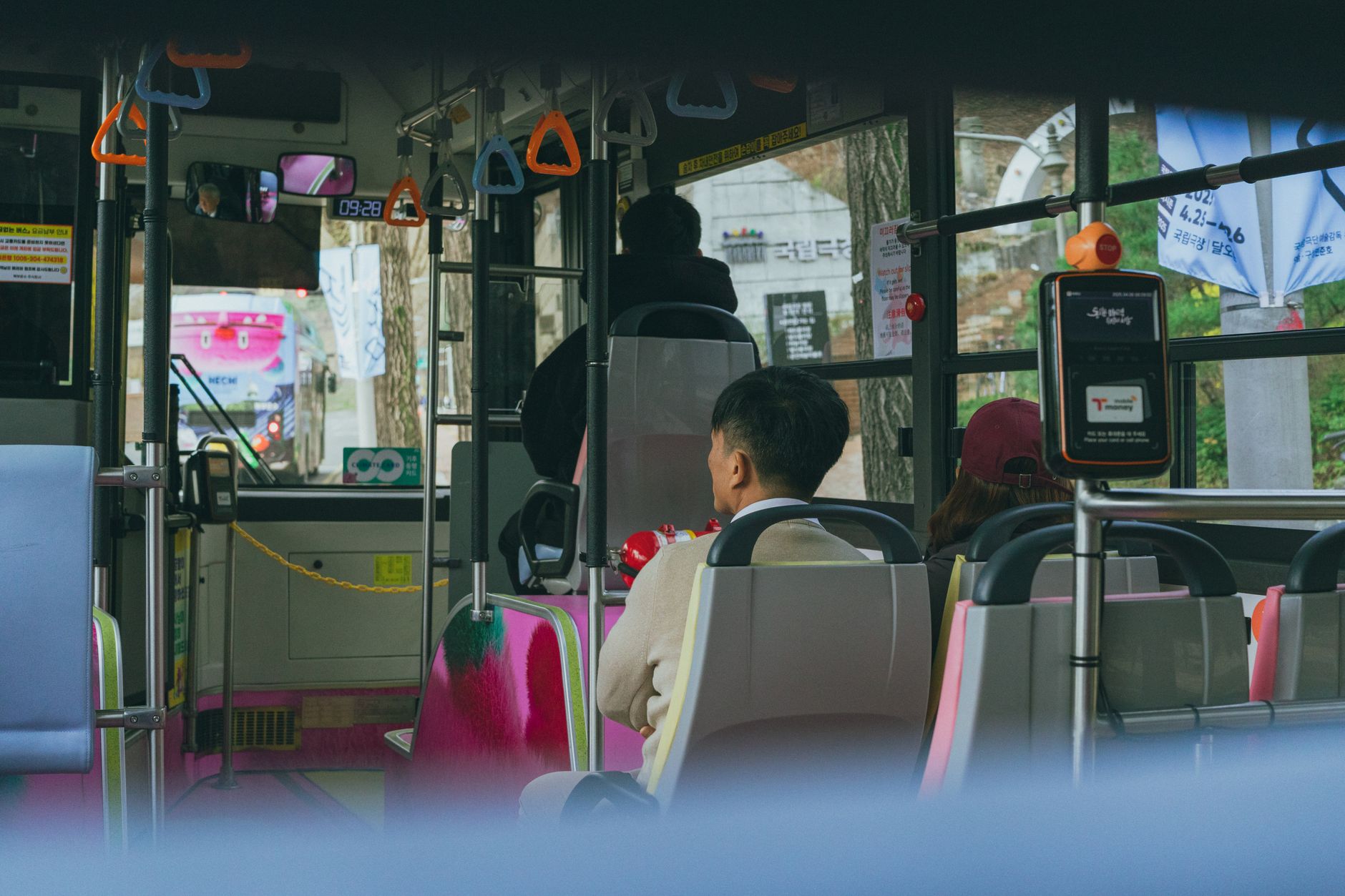
First, the transportation system is genuinely world-class. The Seoul Metro is clean, easy to navigate, stroller-friendly, and covers the entire city with 26 lines. Most stations have elevators (though older stations sometimes require creative stroller-maneuvering), and trains run frequently—usually every 2-5 minutes during the day. A single journey costs roughly $1-2 USD, and a T-money card (rechargeable transit card available at convenience stores) makes payment seamless. This means you're not constantly hailing taxis or dealing with traffic—you can focus on your kids and the experience.
Second, Seoul is exceptionally clean and safe. Violent crime affecting tourists is virtually nonexistent, and families routinely let children navigate neighborhoods independently. The infrastructure assumes people will be respectful and orderly, and that assumption generally holds true.
Third, Koreans genuinely like children and actively facilitate family activities. High chairs are standard in restaurants, kids' menus exist almost everywhere, and staff are accustomed to accommodating family groups. Public spaces like parks, shopping malls, and cultural institutions include family facilities like clean bathrooms with changing tables, nursing rooms, and play areas.
Fourth, the food culture is actually quite family-friendly despite Seoul's reputation as a gourmet destination. Yes, there's incredible fine dining, but there's also abundant street food, restaurants specializing in kid-friendly dishes like Korean fried chicken and bibimbap, and convenience stores (GS25, CU, Emart24) on every block selling safe, quality snacks and meals for $2-8 USD. Emma Rodriguez, a general traveler on wondr, recently shared: "The variety of food options meant we could always find something everyone enjoyed—no picky eating drama during our Seoul trip."
Finally, many world-class attractions are genuinely engaging for kids. We're not talking about checking boxes; we mean activities where children are actually absorbed and entertained. From interactive museums to palace grounds where they can run freely, Seoul offers substance alongside the sightseeing.
Best Neighborhoods for Families: Where to Stay with Kids
Choosing the right neighborhood makes an enormous difference when traveling Seoul with kids. Here are the most family-friendly areas:
Gangnam (yes, that Gangnam) is cleaner and more organized than you'd expect, with wide sidewalks, excellent restaurants, and major attractions like the K-pop studio tours and COEX Mall. However, it's pricier and feels corporate. Hotels here run $120-200 USD per night for quality family options.
Myeongdong is central, walkable, and surrounded by shops and street food, but it's perpetually crowded, can feel overwhelming with young kids, and hotels are expensive ($130-220 USD/night). That said, it's convenient if you want maximum access to attractions.
Jongno-gu (specifically near Gyeongbokgung Palace) is our top recommendation for families. It's central without being chaotic, has excellent metro access, is surrounded by parks and cultural sites, and feels authentically Korean. Hotels range from $80-160 USD/night. The neighborhood has smaller, family-owned restaurants serving excellent Korean food, and kids can easily visit Gyeongbokgung Palace, the National Children's Museum, and Bukchon Hanok Village.
Han River Park Area (Yeouido & Seokchon) offers breathing room with actual green space—crucial when you're traveling with kids who need to burn energy. These neighborhoods have dedicated cycling paths, picnic areas, and feel less frantic than central Seoul. Hotels are $70-140 USD/night, making this good value. You're slightly further from some attractions but much closer to peace and quiet.
Hongdae is perfect if you have older kids or tweens. It's artsy, hip, has great cafes and street art, vintage shops, and a younger energy that teenagers often find cool. Hotels: $80-150 USD/night.
When booking accommodations, prioritize [finding hotels in Seoul](link:/book/hotels-in/seoul) that explicitly mention family amenities. Boutique hotels and serviced apartments often work better for families than large hotels—you get more space, sometimes kitchen facilities, and more flexibility. Properties like Myeongdong Naver Hotel, Jongno Artnouveau Hotel, or serviced apartments in Gangnam are solid mid-range options ($100-150 USD/night) that welcome families.
Essential Activities for Your Seoul with Kids Family Travel Guide
Now for the activities that actually work with children. These aren't just tolerable; they're genuinely engaging.
Gyeongbokgung Palace (Hanbok Experience): This is the number one Seoul with kids family travel recommendation. The palace grounds are massive (223 acres) with wide paths, gardens, and plenty of space to walk without feeling confined. The real magic happens when kids dress in traditional hanbok (Korean clothing). Rental shops near the palace charge $25-50 USD for full family sets. Seeing your child walk through a 600-year-old palace in traditional dress creates unforgettable moments. Entry is $10 USD per person. The changing of the guard ceremony happens at 10 AM and 2 PM daily and fascinates kids. Pro tip: Arrive by 9 AM to beat crowds and enjoy the palace before noon chaos.
Bukchon Hanok Village: This walkable neighborhood of restored traditional Korean houses is essentially an open-air museum. Kids enjoy the narrow alleyways, small cafes, and photo opportunities. It's free to explore, though expect to spend $5-20 USD on snacks and coffee at local cafes. It connects directly to Gyeongbokgung, making for an excellent half-day itinerary.
K-Pop Studio Tours in Gangnam: For tweens and teenagers, this is a must. Companies like SM Entertainment Tour, JYP Entertainment Tour, and YG Entertainment offer guided experiences where kids see where K-pop artists practice and learn about the industry. Costs range $30-60 USD per person. Tours last 1-2 hours and are genuinely interesting even if your kid isn't obsessed with K-pop—the production value and organizational efficiency fascinate most visitors.
Myeongdong Street Food & Shopping: This pedestrian area is controlled chaos, but it's where Seoul's street food culture shines. Plan to spend 2-3 hours here, trying tteokbokki (spicy rice cakes, $3-5), hotteok (sweet pancakes, $3), Korean fried chicken (full meal $8-12), and mochi-like snacks. There's no "best" place—vendors are throughout the area. Kids love the sensory experience, and it's genuinely affordable. Bring cash (ATMs are everywhere) as some smaller vendors don't take cards.
Han River Picnic: This might sound simple, but it's one of the best Seoul with kids family travel activities. The Han River Park has designated picnic areas, cycling paths, and grassy open space. Pack kimbap (Korean sushi rolls, $5-8 from any convenience store), fruits, and snacks from a GS25 or CU convenience store, and spend an afternoon here. It costs almost nothing ($10-20 USD for food, free access), and the change of pace from urban exploring is invaluable for family sanity.
Seoul Children's Museum & Science Center: Located in Gwangjin-gu, the National Children's Museum is specifically designed for kids ages 2-12 with interactive exhibits about Korean culture, nature, and science. Entry is $8 USD for kids. It's air-conditioned, well-maintained, and a solid rainy-day option.
Namsan Tower & Park: Take the cable car up ($12 USD return) for panoramic city views. The park has walking paths, a children's playground, and is less crowded than you'd expect. Spend 2-3 hours here if weather is good.
Practical Logistics: Visa, Currency, Transport & Safety
Let's handle the logistics that determine whether your Seoul with kids family travel guide actually works in practice.
Visas: Most Western passport holders (US, UK, Canada, Australia, EU) get 90 days visa-free entry to South Korea. No advance paperwork needed—you'll complete a simple arrival card on the plane. Non-Western passport holders should check official IMMIGRATION.GO.KR for their specific country.
Currency: South Korea uses the Korean Won (KRW). Current exchange rates are roughly 1 USD = 1,200-1,300 KRW (check XE.com for current rates). ATMs are ubiquitous—find them in every metro station and convenience store. Withdraw money as needed (ATM fees are usually $2-3 USD per transaction). Cards are widely accepted, but some smaller restaurants and street vendors prefer cash. Inform your bank of travel dates to avoid card blocks.
Getting Around: The Seoul Metro is your best friend. [Book flights to Seoul](link:/book/flights-to/seoul) to Incheon International Airport (ICN) or Gimpo Airport (GMP). From ICN, take the Airport Railroad Express (AREX) directly to central Seoul for about $10 USD (45 minutes). From GMP, it's closer to downtown. Purchase a T-money card at any convenience store ($2.50 USD, then load it with cash—even $10-20 USD covers several days of transportation for a family). A single metro trip costs $1.25-2 USD depending on distance. Consider purchasing a Seoul Metro Card for convenience, though T-money is more flexible.
For longer distances, Seoul has excellent bus systems and taxis. Taxis are metered, affordable ($5-15 USD for most in-city trips), and drivers usually don't speak English but can read addresses written in Korean (use Papago or Google Translate). Uber-equivalent apps like Kakao Map have English interfaces and are reliable.
Flights: Most families fly into Incheon International Airport. Direct flights from North America typically cost $600-1000 USD per person depending on season. March-May and September-November are higher-priced but have perfect weather.
Safety: Seoul is genuinely safe. Violent crime is exceptionally rare, petty theft is uncommon, and families can confidently navigate neighborhoods at night. However, exercise normal caution: keep valuables with you, be aware of surroundings in crowded areas, and avoid unlit alleys very late at night (though this is more about being sensible than genuine danger). Healthcare is excellent and affordable—a doctor's visit costs $20-40 USD, and hospitals are equipped with English-speaking staff in major areas.
Health & Vaccination: Confirm routine vaccinations are current. No special vaccines are required for Seoul, though some doctors recommend Japanese encephalitis vaccine if you're visiting rural areas (not applicable for Seoul city). Tap water is safe to drink. Pharmacies (약국, "yakguk") are everywhere and can provide over-the-counter medications without prescription.
Best Time to Visit: March-May (spring) and September-November (autumn) are ideal. Temperatures are 50-75°F (10-24°C), humidity is manageable, and air quality is generally good. Summer (June-August) is hot, humid, and can have poor air quality. Winter (December-February) is cold (25-45°F / -4 to 7°C) but has occasional snow and fewer crowds—viable if you have cold-weather gear.
Language: English signage exists in tourist areas, metro systems have English directions, and translation apps work reliably for everything else. Learning a few Korean phrases ("annyeonghaseyo" for hello, "gamsahamnida" for thank you) delights locals and helps with kids' cultural awareness.
Food with Kids: Beyond Street Food to Family Meals
Food in Seoul genuinely works for families because Korean cuisine naturally accommodates group dining, multiple preferences, and nutritional variety.
Korean Restaurant Essentials: Most Korean restaurants operate on a sharing model—dishes arrive at the center of the table, and everyone samples everything. Banchan (complimentary side dishes) accompany every meal. This means one order of bibimbap ($8-12), one of galbitang soup ($10-15), one of kimchi jjigae stew ($8-10), and rice ($2) becomes a complete meal for 3-4 people. Kids enjoy the interactive element of assembling their own food.
Specific Recommendations for Families: - Myeongdong: Explore street food—tteokbokki vendors, hotteok stands, and Korean fried chicken shops. Almost nothing costs more than $5 USD per item. - Jongno Area: Insadong has quieter restaurants with family-friendly environments and English menus. Try restaurants around the main street—you'll find good bibimbap, kimbap, and soups for $7-15 USD per dish. - Gangnam: Chain restaurants like Lotteria (Korean fast food) and Paris Baguette (bakery chain) are everywhere—familiar but with local items. Most meals are $5-12 USD. - Hongdae Cafes: If you have older kids, this neighborhood's cafe culture is charming. Spend $5-10 USD on coffee and pastries while kids enjoy the hip vibe.
Convenience Store Wins: GS25 and CU convenience stores are game-changers for families. They stock quality kimbap ($3-5), Korean fried chicken ($4-6), bibimbap ($3-4), sandwiches, fresh fruit, yogurt, and snacks. Perfect for quick breakfasts or picnic supplies. James Chen, a savvy family traveler on wondr, noted: "Grabbing meals from convenience stores saved us money and stress—everything was clean, reasonably priced, and actually tasty."
Allergies & Dietary Needs: Most Korean food contains soy and sesame, and many dishes include red chili peppers. If your child has allergies, learn the Korean phrases for common allergens or use translation apps with restaurant staff. Vegetarian options are more limited than you'd expect given the health-conscious culture, but restaurants are willing to modify dishes if you ask.
Dining Tips: - Restaurants typically don't have high chairs, but staff are helpful with seating arrangements - Tipping isn't expected in Seoul (different from Western norms—explain this to kids learning about cultural differences) - Meal times are earlier than in some Western countries; dinner rush is 5-7 PM - Bathrooms in restaurants are typically immaculately clean
Find Travel Companions for Seoul
Planning a Seoul family trip? You're not alone. Right now, 39 travelers on wondr are actively looking for companions to explore Seoul together. Whether you're hoping to connect with other families traveling during the same dates, meet local Seoul residents who can offer insider tips, or join a group to split accommodation costs, wondr makes it easy to find your perfect travel buddy or group.
Traveling with companions transforms experiences. Other families understand the logistics of traveling with kids—they can recommend babysitters, warn about overly crowded times at popular attractions, or suggest quieter parks when everyone needs a break. Plus, there's strength in numbers when navigating a new city, and kids often enjoy traveling with other families their age.
[Find travel companions for Seoul on wondr](/find-companions/seoul) and connect with verified travelers planning trips during your dates. Browse profiles, message potential companions, and plan together using wondr's built-in trip planning tools. Whether you're looking for another family to share a temporary apartment in Jongno-gu, someone interested in doing a DMZ day trip together, or just fellow travelers to grab street food in Myeongdong with, you'll find them here.
Former solo travelers consistently report that their best trips came from unexpected connections made through travel companion platforms. Kids especially benefit from having peers to experience new places with. And if you're nervous about international travel, knowing you have a companion already lined up dramatically reduces anxiety.
DMZ Day Trip: Advanced Seoul with Kids Family Travel Itinerary
For families with teenagers or mature older kids, a DMZ (Demilitarized Zone) day trip from Seoul is one of Asia's most historically significant and surprisingly accessible experiences.
What is the DMZ?: The Korean Demilitarized Zone is the 2.5-mile-wide buffer between North and South Korea. It's been untouched for 70+ years, making it paradoxically one of Asia's most pristine ecosystems. Visiting the DMZ provides essential context for understanding modern Korea and creates perspective-shifting moments for kids.
How to Visit: Most families book through tour operators rather than attempting independent navigation. Companies like Korea DMZ Tour, Korean War Museum, and Imjingak Travel offer half-day and full-day tours departing Seoul. Tours cost $40-80 USD per person including transport, guide, and entry to observation areas. Full days ($60-90 USD) are worth the extra cost because you'll see more and avoid feeling rushed.
Tours typically include: - Imjingak Park: A massive memorial complex overlooking the DMZ - Dora Observatory: An actual observation tower where you can see into North Korea using provided binoculars - Joint Security Area (JSA) at Panmunjom: The actual border (only available through specific expensive tours, $150-200 USD, and requires advance approval) - Korean War Museum: Context-setting exhibitions explaining the 1950-53 war
Practical Details: Tours depart early (6-7 AM), which feels brutal but allows maximum daylight for observations. Bring sunscreen, comfortable shoes, snacks, and water. The DMZ is an active military zone—you'll pass checkpoints and military installations. This is educational for kids and makes the experience feel real rather than touristy. Tours are in English with Korean-speaking guides, and most tour operators are experienced with families.
Age Considerations: Technically, children as young as 6-7 can visit, but the experience resonates more with kids 12+. Younger children find it interesting briefly but may struggle with the length and solemnity.
Worth It?: Absolutely, for families interested in history and geopolitics. You're experiencing something most international travelers never encounter. Sarah Mitchell, an experienced family traveler, shared: "The DMZ trip gave our kids genuine historical understanding—it wasn't just studying in school anymore, it was real."
Planning Your Seoul Family Trip: Timeline, Budget & Checklist
Let's consolidate everything into an actionable planning framework for your Seoul with kids family travel guide.
Ideal Length of Stay: 5-7 days allows you to experience major attractions without constant rushing, includes a day for weather flexibility or rest, and doesn't exhaust kids (or parents) with too much novelty. Days 1-2 are adjustment and neighborhood exploration. Days 3-4 focus on major attractions like Gyeongbokgung and Myeongdong. Day 5 includes either a neighborhood deep-dive or the DMZ day trip. Days 6-7 involve relaxation, shopping, and revisiting favorites.
Budget Breakdown (per family of 4, mid-range travel, 6 days): - Flights: $2,400-3,200 (round-trip, from North America) - Hotels: $600-960 ($100-160/night × 6 nights) - Activities & attractions: $300-500 (palace entry, museums, tours) - Food: $600-900 ($25-40 daily for 4 people) - Transport: $100-150 (metro, occasional taxis) - Miscellaneous (shopping, unexpected): $300-500 - Total: $4,300-6,210 USD, or roughly $1,075-1,550 USD per person
This can be reduced by choosing cheaper hotels ($70-90/night) or extended by including luxe experiences. Seoul is genuinely flexible for different budgets.
Pre-Trip Planning Checklist: - Book flights 2-3 months in advance for better prices - Reserve hotels early, especially during March-May or September-November - Confirm passport validity (6+ months recommended) - Notify bank/credit card companies of travel dates - Purchase travel insurance (recommended for international family trips) - Create a simple Korean phrase cheat sheet with your kids (builds excitement and cultural awareness) - Download offline map apps (Google Maps, Naver Map, Kakao Map) - Take screenshots of hotel addresses in Korean and English - Print or save entry confirmations for pre-booked attractions
[Ready to make your Seoul family trip happen? Plan your Seoul trip on wondr](/plan?destination=Seoul) and let our AI-powered itinerary builder customize a day-by-day schedule based on your kids' ages, interests, and travel style. Wondr's planning tools help you organize attractions logically by neighborhood, estimate travel times, find companion travelers heading the same dates, and track budgets—all in one place.
First Days in Seoul: Arrive, check into hotel, rest. On day 2, buy T-money card, take metro to explore your neighborhood on foot, grab dinner at a nearby restaurant. Don't overplan the first 48 hours—jet lag and adjustment matter. By day 3, you'll have metro confidence and kids will be ready for major attractions.
💡 Quick Tips
- →Buy a T-money card at any convenience store within hours of arrival—it's the fastest way to navigate Seoul's metro system and costs only $2.50 USD plus loading funds. This single decision eliminates transportation stress.
- →Visit Gyeongbokgung Palace by 9 AM to beat crowds, and rent hanbok (traditional Korean clothing) for $25-50 USD—this creates the most memorable family photos and kids genuinely enjoy wearing traditional dress.
- →Pack snacks and water from convenience stores (GS25, CU) rather than at tourist shops—you'll save 40% and have healthier options. Korean convenience store food quality is exceptionally good.
- →Download Papago or Google Translate apps before arriving and use them constantly—they're lifesavers for menu translation, direction clarification, and minor communication issues.
- →Use Kakao Map app (English interface available) for navigation instead of Google Maps—it's more accurate in Seoul and includes metro information.
- →Plan one completely unstructured day where you follow kids' energy rather than attraction checklists—this prevents burnout and often leads to unexpected discoveries in neighborhoods.
- →Respect quiet hours in hotels (typically 10 PM-7 AM) and public spaces—Korean culture values quiet, and your neighbors will appreciate the consideration.
- →Learn basic Korean phrases with your kids ("annyeonghaseyo" for hello, "gamsahamnida" for thank you)—locals respond warmly, and it makes kids feel culturally engaged.

Share this deal
Ready to visit Seoul?
See the full destination guide, compare hotels, and find a travel companion.