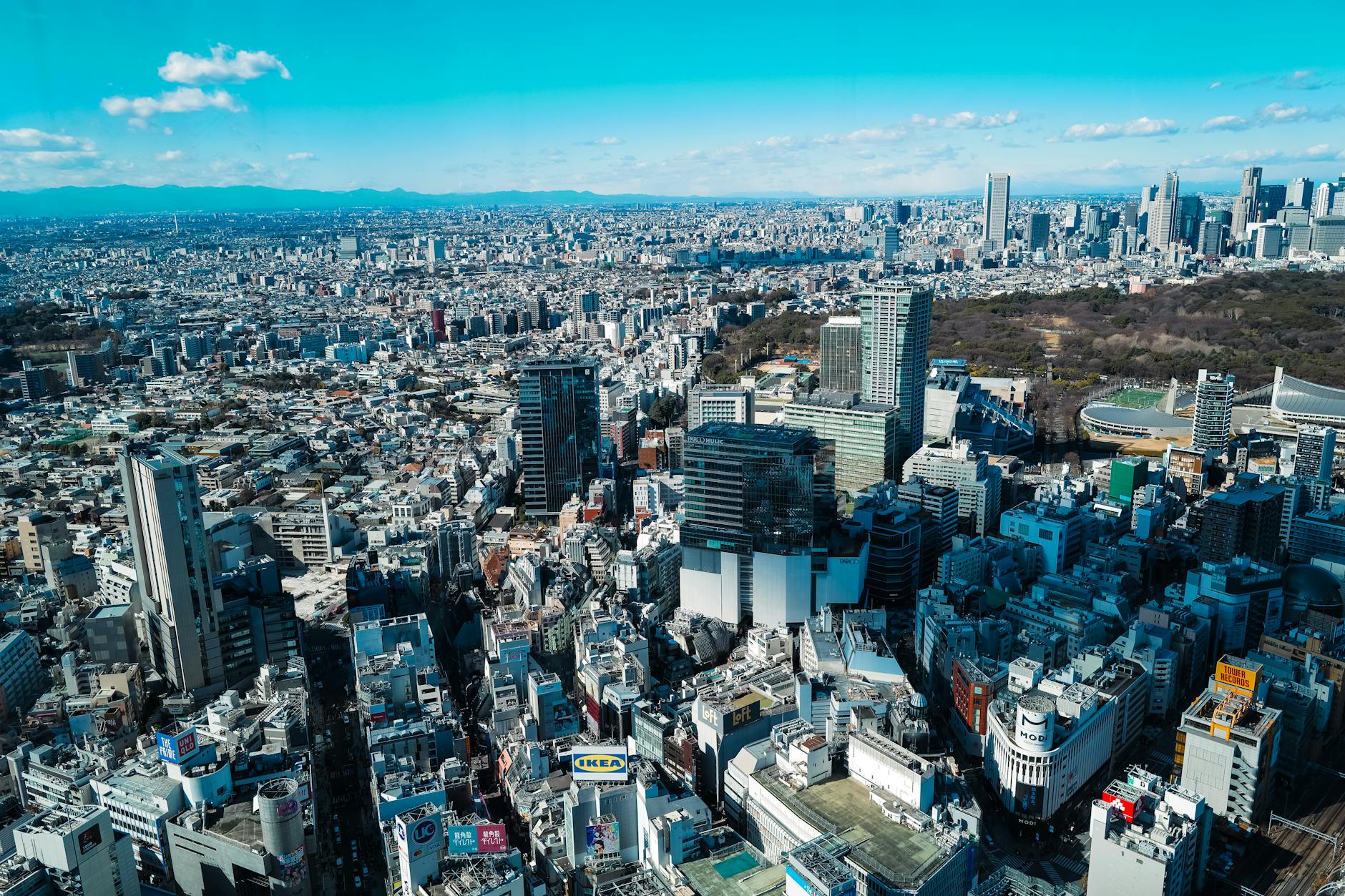

Tokyo is a city that intimidates many budget travelers before they even arrive. Images of neon-soaked streets, Michelin-starred restaurants, and cutting-edge technology suggest a wallet-draining destination. But here's what I learned after exploring Japan's capital with friends: **things to do in Tokyo on a budget aren't just possible—they're everywhere**. Tokyo rewards curious wanderers. You can stand in the center of the world's busiest pedestrian crossing (Shibuya) for free. You can meditate in a 1,400-year-old temple surrounded by forest without paying a yen. You can eat incredible sushi for $15, explore digital art museums, and ride one of the world's best train systems without overspending. The secret isn't finding cheaper versions of touristy experiences—it's discovering what locals actually do. In this guide, I'm sharing everything I've learned about experiencing authentic Tokyo without draining your travel fund. We'll cover free attractions, affordable food spots that locals love, transportation hacks, and which neighborhoods deliver the best value. Whether you're a culture lover, a foodie, or someone who just wants to understand how one of Earth's most fascinating cities actually works, there are genuinely incredible **things to do in Tokyo on a budget** that compete with anywhere else on the planet.
Free and Cheap Attractions: Tokyo's Best Budget Activities
Let's start with the truth: some of Tokyo's most memorable experiences cost nothing. Shibuya Crossing is free to experience. Stand on the pedestrian bridge above, or join the thousands crossing at once—the energy alone is worth traveling for. Time it for early evening when the crowds peak and the neon glows. Similarly, Harajuku's Takeshita Street costs nothing to explore, though the shops will tempt you. Watch teenage fashion subcultures collide, grab a crepe, and people-watch.
Meiji Shrine, nestled in a forest of 100,000 trees in central Tokyo, charges no entrance fee. This 1,400-year-old shrine (technically from 1920, but spiritual in purpose) requires only respect—remove your shoes, purify your hands with the provided water, and observe the reverent silence. Early morning visits (6-7 AM) offer solitude before crowds arrive.
For things to do in Tokyo on a budget that reveal local life, explore the neighborhoods themselves. Shimokitazawa is a bohemian district filled with vintage shops, tiny theaters, and street art—completely free to wander. Yanaka preserves pre-war Tokyo with narrow wooden buildings, family-run cafes, and a temple-filled atmosphere. These areas won't appear in guidebooks but deliver authentic encounters.
Museums are more affordable than you'd expect. Many offer free or heavily discounted hours: the Tokyo National Museum (usually $15) has free admission for students under 18, and discounts for everyone during certain weeks. The teamLab Borderless digital art museum (around $35-40) justifies its cost—you'll spend 3-4 hours in immersive digital installations that redefine what art can be. If budget is tight, teamLab Planets ($30-35) offers similar experiences in water-based exhibits.
One more gem: Yoyogi Park is Tokyo's Central Park and completely free. On weekends, musicians, street performers, and locals create a festival atmosphere. Pack a convenience store bento and spend an afternoon watching the city's rhythm.
Where to Eat Amazing Food Without Overspending
Tokyo's food culture is democratic—the best meals often cost the least. This is where things to do in Tokyo on a budget becomes genuinely exciting, because eating well becomes your primary activity and joy.
Tsukiji Outer Market is the breakfast destination. Arrive by 7 AM, skip the tourist-trap inner market, and hit the outer market's casual stalls. A bowl of toro (fatty tuna) tamagoyaki don runs $12-15 and represents peak seafood perfection. The fish is so fresh it doesn't taste like fish—it tastes like the ocean decided to become delicious. Sarah Mitchell, a general traveler on wondr, describes it perfectly: "The Tsukiji breakfast was the single best meal of my trip, and it cost less than a coffee back home."
Ramen alleys exist throughout Tokyo—tiny streets of 5-6 meter-long ramen shops with maybe 8 seats each. A bowl costs $6-9 and represents a single chef's life work. Shinjuku's Memory Lane (Omoide Yokocho) has 70+ ramen shops in a narrow alley. Arrive hungry, point at photos if you don't speak Japanese, and experience ramen that's been perfected over decades.
Convenience stores (7-Eleven, Lawson, FamilyMart) are culinary goldmines. Pre-made sushi, bentos, karaage (fried chicken), and sweets cost $3-6. Quality is genuinely high because convenience stores compete fiercely in Japan. This isn't survival eating—it's legitimate deliciousness on a budget.
Depachika (department store food halls) offer prepared foods and bento boxes at lunch hours, often with 20-30% discounts in late afternoon (after 4 PM). Find Shinjuku's depachika in department stores near the station.
Izakayas (Japanese pubs) offer incredible value at lunch. The same dishes served at dinner for $20 cost $8-12 at lunch. Yakitori (grilled chicken skewers) spots serve 5 skewers with beer for $15. Find them in any business district—Yurakucho has a famous yakitori alley under the railway tracks where locals crowd shoulder-to-shoulder.
For street food, okonomiyaki (savory pancakes) runs $8-12 and serves as a complete meal. Takoyaki (octopus balls) cost $5-7 for 6 pieces. These aren't tourist traps—they're what locals eat daily.
Transportation: Getting Around Cheaply and Efficiently
Tokyo's train and subway system is the world's most efficient, and it's genuinely affordable. A single trip costs $1.50-3 depending on distance. But here's the move: get a Suica or Pasmo card at any station. Load ¥2,000-3,000 ($13-20) and travel freely. The card works across all train types—JR trains, subways, buses, and even convenience stores.
The JR Pass is a common tourist mistake. It's expensive and only saves money if you're traveling to Mount Fuji, Kyoto, or Osaka multiple times. For staying within Tokyo, skip it.
Bicycles are incredible here. Tokyo has extensive bike lanes and a bike-share system. Rent a bicycle for $5-8 per day and explore at a local's pace. Neighborhoods like Yanaka and Shimokitazawa reveal themselves better on two wheels.
Walking is free and revealing. Tokyo's neighborhoods are compact enough to walk between districts. Walking from Shibuya to Shinjuku (about 30 minutes) shows you business streets, quiet residential areas, and tiny shrines tucked between buildings.
When you're ready to **book flights to Tokyo**, factor in that the airport train (Narita Express or Haneda Express) costs $13-15. It's the most efficient way to reach your accommodation.
Michael Thompson, a general traveler on wondr, shares his strategy: "I bought a Suica card on day one and stopped thinking about transportation costs. Suddenly I could explore anywhere without hesitation, and the actual cost was maybe $25 for a week."
Best Neighborhoods for Budget Travelers
Where you stay shapes your experience and budget. Ueno is the traditional budget neighborhood—slightly older, with fewer international chain stores, and prices to match. You're near Ueno Park, museums, and the historic market. The trade-off: it's less trendy than Shibuya or Shinjuku, but that's exactly why it's better for experiencing real Tokyo.
Asakusa feels like old Tokyo preserved in amber. Senso-ji Temple dominates the area (free to enter), and the surrounding streets (Nakamise) sell souvenirs and street food. Stay in a hostel or budget capsule hotel here ($25-40/night) and wake up to temple bells. It's touristy but authentic in its own way.
Ikebukuro is underrated. Less famous than Shinjuku, it has excellent food, a massive anime/gaming culture (Pokémon Center!), and better prices on accommodation. A 15-minute train ride to Shinjuku, but your money goes further.
Harajuku is pricey to stay in, but excellent to spend days in if you're nearby. The neighborhood is walking distance from Meiji Shrine and Yoyogi Park.
When you **find hotels in Tokyo**, prioritize location on the train line over luxury amenities. A capsule hotel ($25-35/night) in a good neighborhood beats a mediocre hotel in a bad one.
James Chen, a general traveler on wondr, recommends: "Skip the famous neighborhoods for sleeping. Stay in Asakusa or Ueno, then day-trip to Shibuya. You'll save 50% on accommodation and still be 20 minutes from anywhere."
Seasonal Timing: When to Visit on a Budget
Tokyo's best seasons for weather are March-May (spring) and October-November (autumn). But here's a budget secret: avoid cherry blossom season (late March to early April) if possible. Prices spike 30-50%, hotels fill months in advance, and crowds make popular spots unbearable.
Visit in early March (pre-bloom) or mid-to-late April (post-bloom) for cherry blossoms without peak pricing. Same trees, fewer people, lower prices.
November is genuinely the best time—perfect weather, reasonable prices, fall foliage instead of crowds, and you'll still catch late autumn colors. Summer (June-August) is hot and humid but offers discounts on accommodation since fewer tourists visit.
Winter (December-February) is cold but clear. December draws holiday crowds before Christmas; January-February is genuinely quiet with excellent hotel deals and no weather extremes.
Must-see: If cherry blossoms matter to you, the Ueno Park blossom forecast appears online by late February. Go during weekday mornings before 8 AM to experience the trees with minimal crowds.
Find Travel Companions for Tokyo
Traveling solo doesn't mean traveling alone. Right now, 38 travelers on wondr are looking for companions to explore Tokyo together—adventure seekers, food lovers, culture enthusiasts, and budget travelers like you.
Whether you want someone to navigate Tsukiji Market with, share a hostel room to split costs, or simply have someone to experience Shibuya Crossing alongside, wondr connects you with real travelers heading to the same destination.
Finding the right travel companion transforms a trip. You'll discover restaurants locals recommend, navigate language barriers more easily, and split accommodation and activity costs. You'll also have someone to share the magical moments with—standing in Shibuya Crossing at 8 PM, watching neon reflect off wet streets, or sitting in a quiet shrine at dawn.
**Find your Tokyo travel companion on wondr** and start planning together. Filter by travel dates, interests (culture, food, adventure), and budget level. Chat before committing, share expectations, and plan your itinerary as a team.
Emma Rodriguez, a general traveler on wondr, shares: "I found two travel companions for my Tokyo trip through wondr. We split an Airbnb, which cut accommodation costs by 60%, but more importantly, we found hidden restaurants and neighborhoods I never would have discovered alone."
Practical Logistics: Visas, Money, and Safety
Visas: Citizens of most Western countries (US, UK, Canada, Australia, EU) get 90 days visa-free in Japan. Check the official Japan tourism board for your specific country. Avoid tourist visa runs—they're unnecessary headaches.
Currency: The yen (¥) is the only currency. 1 USD ≈ 145-150 yen (rates fluctuate). Withdraw cash at 7-Eleven ATMs with your foreign credit/debit card—they accept most cards and charge about $2-3 per withdrawal. Japan is still cash-heavy despite its technology reputation.
Safety: Tokyo is exceptionally safe. According to Wikipedia's Tokyo crime statistics, violent crime is extraordinarily rare. The main risk is petty theft in crowded areas, but even this is uncommon. Use normal city sense: watch bags on trains, don't leave valuables unattended.
Health: No special vaccinations required. Travel insurance is still wise (accidents happen), but tap water is safe everywhere, healthcare is excellent, and pharmacies are abundant.
Language: English signage exists in major areas and train stations. Download Google Translate and a transit app (Hyperdia or Google Maps works fine). Pointing and photos work well in restaurants.
Travel Insurance: Check travel.state.gov or gov.uk/foreign-travel-advice for current advisories. Japan is politically stable and safe—there's nothing concerning for budget travelers.
Marcus Johnson, a general traveler on wondr, reflects: "I was nervous about navigating a non-English-speaking city, but Tokyo's infrastructure is so traveler-friendly. Even without perfect Japanese, I felt safe and capable everywhere."
Plan Your Perfect Tokyo Budget Trip
You now have everything needed to experience things to do in Tokyo on a budget. You know where to eat ($6-15 for incredible meals), what to see (free temples, museums, neighborhoods), where to stay (budget-friendly neighborhoods like Ueno and Asakusa), and how to move around ($1.50-3 per train ride).
A realistic daily budget for Tokyo: - Accommodation: $25-50 (hostel/capsule hotel) - Food: $30-50 (mix of amazing cheap eats and occasional splurges) - Activities: $10-20 (many are free, museums are affordable) - Transportation: $3-5 - Total: $68-125 per day
This assumes you skip luxury experiences and eat where locals eat. If you add premium activities (higher-end restaurants, longer day trips), expect $100-150/day.
The beauty of Tokyo is that budget travel doesn't mean sacrificing quality. You're not eating poorly or seeing less—you're simply traveling like locals travel. You're shopping where locals shop, eating what locals eat, and exploring how locals explore.
Ready to make it happen? **Plan your Tokyo trip on wondr** and let our AI build your perfect itinerary based on your interests, budget, and travel style. Or start by finding travel companions who can help you navigate the city and split costs. Either way, Tokyo is waiting—and it's far more affordable than you imagined.
💡 त्वरित सुझाव
- →Get a Suica or Pasmo card at the train station (not at the airport) to save on individual train tickets—a ¥2,000 card covers 8-10 days of transit across the entire city.
- →Visit Tsukiji Outer Market before 9 AM for the freshest sushi breakfast at $12-15; after 10 AM, quality decreases and crowds increase dramatically.
- →Explore neighborhoods like Yanaka and Shimokitazawa on foot or by rented bicycle ($5-8/day)—you'll discover local cafes, vintage shops, and hidden shrines that tourists miss.
- →Eat at ramen alleys and izakayas during lunch hours (11 AM-2 PM) for 30-40% lower prices than dinner; arrive early, point at photos, and enjoy authentic meals for $6-9.
- →Avoid cherry blossom season's peak (late March to early April) if budget is a priority; visit early March or mid-April instead for the same trees at half the price.
- →Stay in Ueno or Asakusa neighborhoods for $25-40/night instead of Shibuya or Shinjuku; you're only 15-20 minutes from any major attraction by train.
- →Use convenience stores (7-Eleven, Lawson, FamilyMart) for breakfast and lunch—genuinely high-quality prepared foods and sushi at $3-6 per item.
- →Book accommodation after finding travel companions on wondr; splitting a shared Airbnb can cut housing costs by 50-70% compared to solo hotels.

Share this deal
यात्रा के लिए तैयार? Tokyo?
होटल, गतिविधियाँ और सौदे देखें — या AI को आपका पूरा यात्रा कार्यक्रम बनाने दें।