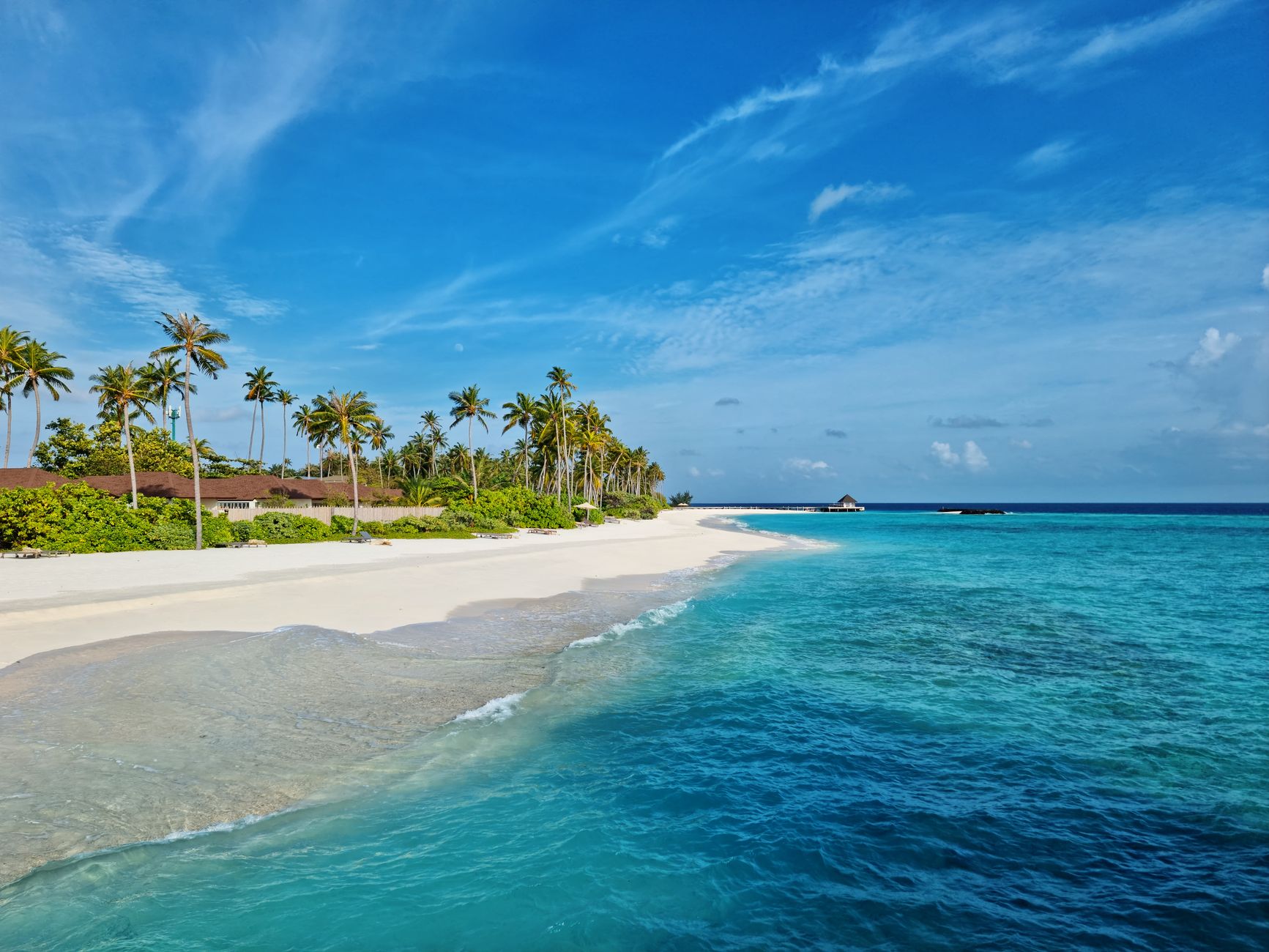

The Maldives has a reputation as an ultra-luxury destination—and for good reason. Those overwater bungalows with glass floors, the world-class diving, the impossibly turquoise lagoons. But here's what most travel guides won't tell you: the Maldives is absolutely achievable for solo travelers on a budget, and the **best hostels in Maldives for solo travelers** are where the real magic happens. While the resort islands cater exclusively to couples and honeymooners willing to drop $500+ per night, the local islands (called "inhabited islands") have a thriving backpacker scene. These are where you'll find authentic Maldivian culture, real food at real prices, and other solo travelers just like you. The best hostels in Maldives for solo travelers aren't just places to sleep—they're community hubs where friendships form, diving trips are organized, and you'll discover the Maldives that most tourists never see. In this guide, I'm sharing everything I've learned from staying in Maldives hostels, talking with fellow backpackers, and exploring the local island scene. You'll learn where to stay, how to get around, what to eat, and how to make the most of your solo adventure in this island nation. Right now, 38 travelers on wondr are looking for companions to explore Maldives together—you might just find your travel buddy in these same hostels.
Why Solo Travelers Love Maldives Hostels (It's Not What You Think)
Most people assume the Maldives is only for couples in romantic resorts. That's actually perfect for solo travelers—it means fewer crowds in the places that matter most. The best hostels in Maldives for solo travelers exist on the inhabited islands (also called "local islands"), and they're fundamentally different from resort culture.
These hostels are where you'll experience authentic Maldivian life. You'll eat at local cafés for $2-5 instead of $40+ resort meals. You'll take public ferries with locals instead of private speedboats. You'll meet other backpackers from around the world who are there for the same reason you are—to experience something real.
Jessica Walsh, a general traveler on wondr, shares her perspective: "I was nervous about solo travel in the Maldives, but staying in a hostel completely changed my experience. I met people from eight different countries in my first night, and we ended up diving together the next morning. It felt like a real adventure, not a staged luxury experience."
The social aspect of hostels is crucial here. Solo travel can be isolating, but these communities actively combat that. Most hostels organize group diving trips (at a fraction of resort prices—$30-50 vs. $80-120), snorkeling expeditions, island hops, and evening hangouts. You're not just getting a bed; you're joining a transient family of adventurers. The best time to visit is November to April, when the weather is perfect and the hostels are bustling with international travelers. Accommodation ranges from $15-35 per night for dorm beds and $25-50 for private rooms.
Top Hostels in Maldives for Solo Travelers: Where to Stay
Let's get specific. Here are the best hostels in Maldives for solo travelers, based on reputation, community, and practical amenities:
Hulhumalé & Male Region:
The capital region is the gateway to the Maldives. Hulhumalé, just 20 minutes from the airport, has become the backpacker hub. It's a newer artificial island with proper infrastructure, and it's where you'll find the highest concentration of budget-friendly accommodation.
*Funadhoo Backpackers* (Hulhumalé) is consistently rated the best hostel for solo travelers in the Maldives. Expect a lively dorm atmosphere, a rooftop bar with sunset views, organized diving trips ($40-50/person), and genuinely helpful staff. Dorm beds: $18-22/night. Private rooms: $35-45/night. The hostel has a strong community of diving enthusiasts, and many solo travelers extend their stays here specifically to complete PADI certifications at the attached dive shop.
*The Urfali Hostel* (Hulhumalé) is smaller and more intimate—perfect if you prefer less chaos. They specialize in diving packages and have partnerships with local dive operators for exclusive pricing. A 2-tank dive trip runs $45 here versus $80+ elsewhere. Dorm beds: $16-20/night. The common area is quiet during the day but lively in evenings, and solo female travelers frequently recommend it.
Island Hopping Options:
*Bandidhoo Island Hostel* (about 1.5 hours by ferry from Male) is perfect for solo travelers seeking a slower pace. This island has genuine local culture, and the hostel connects you with Maldivian hosts who run guesthouses. You'll eat with locals, learn about island life, and have authentic interactions. It's slightly more expensive ($25-30/night) but the experience is priceless.
Andrew Foster, a general traveler on wondr, reflects: "I spent five days at a small island hostel and never wanted to leave. The owner introduced me to his family, we had meals together, and I actually learned what the Maldives is really like beneath the resort tourism."
Viligili Island has several small guesthouses that operate like hostels. *Viligili Backpackers Corner* ($20-28/night) is run by a local family and offers the most authentic island experience. Snorkeling is literally 50 meters from the door—the house reef is incredible. This is where you go if you want to escape other tourists (there are usually only 4-8 guests at a time).
Pro Tip: Avoid the tourist island of Maafushi. While it has hostels, it's become overcrowded and commercialized. The vibe has shifted from authentic backpacker destination to package-tourism hub. The best hostels in Maldives for solo travelers are increasingly on the less-touristy islands like Hulhumalé and Viligili.
Getting There & Around: Logistics for Solo Travelers
Getting to the Maldives is simpler than you might think. Most international flights land at Velana International Airport (MLE) on Hulhumalé. [Book flights to Maldives](/book/flights-to/maldives) from major hubs like Dubai (1 hour), Singapore (3.5 hours), or Doha (3 hours). Direct flights keep costs reasonable—expect $200-400 for a one-way flight during low season (May-October) and $300-600 during peak season (November-April).
From the Airport to Your Hostel:
Don't take a private transfer ($25-40 for tourists)—take the public ferry or speedboat. A shared speedboat to Hulhumalé costs $12 and takes 20 minutes. Simply exit the airport, follow signs to "Public Ferry Terminal," and ask staff (they're used to backpackers). This is your first authentic Maldivian experience and you'll often meet other travelers heading to the same hostels.
Inter-Island Transport:
Public ferries connect inhabited islands. A ferry from Male to Bandidhoo costs $5-8 and takes 45 minutes to 1.5 hours depending on the route. Schedules are reliable (multiple ferries daily), and locals use them routinely. Speedboats are faster ($15-25) but less authentic. Most hostels can arrange transport or direct you to the ferry terminal. Pro tip: Buy tickets the day before during off-peak travel days; they're sometimes "full" on Fridays when locals travel home.
Local Transport Within Islands:
Islands are small. Hulhumalé is 3km x 1km and entirely walkable or bikeable. Many hostels rent bicycles for $2-3/day—genuinely the best way to explore. Taxis exist but are unnecessary for budget travelers. Electric scooters are becoming popular ($5-8/day to rent).
Diving & Snorkeling: The Real Reason You're Going
The Maldives offers some of the world's best diving and snorkeling. Here's the money part: hostels offer better deals than resorts. Seriously.
A resort-booked diving trip costs $100-150 per person. The same trip through your hostel costs $40-60. Why? Hostels group divers together and use local operators without resort markups. You're getting identical experiences—same reefs, same marine life, same gear—at a fraction of the cost.
What You'll See:
The Maldives has 26 atolls with varying marine ecosystems. Whale sharks (November-March), reef sharks, manta rays, sea turtles, and colorful reef fish are common. Visibility typically ranges 20-40 meters. Famous dive sites include Banana Reef (great for beginners), HP Reef (sharks and rays), and the channels between atolls (strong currents but spectacular biomass).
Getting Certified:
If you're not certified, get your PADI Open Water certification through your hostel's dive shop. Expect $250-350 for the full certification course (3-4 days). This is cheaper than doing it elsewhere in the world, and you'll make friends with fellow students. Many solo travelers budget specifically for certification—it's a worthwhile investment that opens up diving opportunities globally.
Snorkeling:
You don't need certification to snorkel. House reefs (the reefs immediately adjacent to islands) are often incredible. Funadhoo Backpackers' house reef has turtles. Viligili's house reef has sharks (don't worry—they're reef sharks and completely harmless). Organized snorkeling trips are $20-35 per person and visit multiple sites in a day. Go with your hostel group—you'll make instant friends while seeing mantas and whale sharks.
Yuki Tanaka, a nightlife and city-break traveler on wondr, shares an unexpected perspective: "I'm not typically a diving person, but I got certified at a hostel in Maldives and it changed my life. Now diving is my favorite travel activity. The community aspect made it fun, not intimidating."
Food, Culture & What to Eat (And What to Avoid)
Maldivian food is heavily influenced by Indian, Sri Lankan, and Arabic cuisines. Fish is the staple protein—the Maldives' entire economy historically depended on fishing.
Where Solo Travelers Eat:
Resort food is overpriced and mediocre. Local island food is cheap and genuine. Budget $3-8 for a full meal (lunch or dinner) at local restaurants. Here's what to order:
Garudhiya ($2-3): A simple but delicious fish soup with rice and lime. It's the national dish and appears everywhere. It's what locals eat for breakfast, lunch, and dinner. Order it without hesitation.
Fihunu Mas ($4-6): Grilled fish with curry sauce. The fish is fresh (caught that morning) and the curry is aromatic with coconut, chili, and spices. Ask for "extra spicy" if you enjoy heat.
Mas Huni ($2-3): Shredded tuna mixed with coconut and onion. Eaten for breakfast, usually with flatbread. It's simple and delicious.
Kulhi Boava ($3-4): Fish curry cooked in a banana leaf. Intensely flavorful and aromatic.
Where to Eat:
Local cafés (called "restaurants" but really small family-run spots) are where you'll eat. Avoid the tourist-facing restaurants on main streets of Hulhumalé—prices triple and quality drops. Walk a few blocks from your hostel and you'll find authentic spots. Funadhoo Backpackers' staff can recommend their favorite local café (about 5-minute walk away). Similarly, other backpackers at your hostel will have discovered hidden spots—ask them.
Cultural Considerations:
The Maldives is Islamic, and while it's liberal compared to neighboring countries, there are customs to respect. Dress modestly on local islands (cover shoulders and knees in public spaces). Alcohol is served in hostels and resorts but not in local shops or public spaces. Friday is the holy day—some services close during midday prayers.
Safety & Hygiene:
The Maldives is very safe. Food hygiene standards are good. Street food is safe to eat. Water from taps in Hulhumalé and Male is safe to drink, though many travelers use filtered water for stomach comfort. Tap water on smaller islands varies—ask your hostel.
Sarah Mitchell, an adventure traveler on wondr, notes: "I was worried about food safety, but I ate street food and local café food for three weeks with zero issues. The Maldives is incredibly clean and well-maintained."
Find Travel Companions for Maldives
One of the best aspects of staying in hostels is the built-in social community. But if you want to connect with other solo travelers *before* you arrive—or if you want to plan a specific trip with someone—wondr makes it easy to find travel companions.
Right now, 38 travelers on wondr are looking for companions to explore Maldives together. Some are searching for diving buddies, others want island-hopping partners, and many are simply looking to avoid solo travel costs (shared accommodation, split ferry tickets, group diving rates all save money).
How It Works:
Head to wondr's companion finder and filter by destination (Maldives), travel style, and dates. You can see other travelers' profiles, interests, and what they're hoping to do. It's completely free to browse and connect. Many of the travelers in hostels met through wondr before arrival—it breaks the ice and makes those first hostel interactions easier.
The beauty of finding companions on wondr is that you can coordinate logistics before arrival. Want to book a diving certification course? Find someone to do it with and split the cost. Want to island-hop for a week? Partner with someone with similar interests and split ferry costs and guesthouse rates.
[Find travel companions for Maldives on wondr](/find-companions/maldives) and start chatting with potential travel buddies. Most connections happen 2-4 weeks before the trip, giving you time to plan together.
Many solo travelers report that finding a companion through wondr—even for just a portion of their trip—enhanced their experience significantly. You get the independence of solo travel with the social benefits of traveling with a friend.
Budget Breakdown & Practical Tips for Solo Travelers
Let's talk money. How much should you budget for the Maldives as a solo traveler?
Daily Budget Breakdown:
- Accommodation: $18-30/night (hostel dorm bed) - Food: $6-10/day (eating at local restaurants) - Activities: $15-40/day (diving $40-50 per trip; snorkeling $25-30; general exploration free) - Transport: $2-3/day (ferries between islands, bicycle rental) - Miscellaneous: $5-10/day (coffee, water, souvenirs)
Total Daily Budget: $46-93/day depending on how many activities you do.
For a two-week trip, budget $650-1,300 excluding flights. Most solo travelers spend $60-75/day once you factor in splurges and good meals. It's genuinely affordable.
Money-Saving Tips:
1. Organize group activities. Hostels do this automatically, but if you're staying on a smaller island, team up with other travelers to split the cost of a guide or boat rental.
2. Cook occasionally. Some hostels have kitchens. Buying fresh fish at local markets ($2-3/kg) and cooking it in a communal kitchen is cheaper than restaurants and fun.
3. Skip expensive tours. Tourist agencies on main streets charge $80+ for island tours. Skip them. Walk around the island yourself—it's free and you'll discover more authentic spots.
4. Get diving certifications. A PADI Open Water cert costs $250-350 and opens up unlimited diving opportunities at lower prices. Once certified, a 2-tank dive trip costs $45-60 instead of $100+.
5. Use public transport. Ferries cost $5-8 versus $25+ for tourist speedboats. You'll meet locals and get authentic experiences.
Visa & Currency:
Most nationalities get a 30-day tourist visa on arrival at the airport (free). No advance application needed. The currency is Maldivian Rufiyaa (MVR). 1 USD ≈ 15 MVR. ATMs are plentiful in Hulhumalé and Male; smaller islands have fewer ATMs, so carry cash. Credit cards work at larger establishments but not at local cafés. Notify your bank before arrival.
Best Time to Visit:
November to April is peak season—excellent weather, calm seas, and peak marine life visibility. It's also when hostels are fullest (more social atmosphere). Accommodation fills up, and prices are at their highest ($18-30/night instead of $12-18). If you're flexible, May-October is wet but still diveable, prices drop 20-30%, and you'll have fewer tourists. Whale sharks are best November-March.
Safety, Health & Final Solo Travel Advice
The Maldives is exceptionally safe for solo travelers. It consistently ranks as one of the world's safest countries. Violent crime is virtually nonexistent. Petty theft occurs rarely. Simply use basic travel sense: don't leave valuables unattended, be aware of your surroundings, and trust your instincts.
Health Considerations:
No vaccinations are required for the Maldives, though some travelers get hepatitis A and typhoid. Malaria is not present. Dengue fever exists but is rare. The main health concerns are sun exposure and dehydration—wear sunscreen (reefs are sensitive, so use reef-safe sunscreen), drink water constantly, and wear a rash guard when snorkeling to prevent sunburn.
Travel insurance is essential. Budget $30-50 for two weeks of good coverage. Many hostels require proof of insurance for diving—plan accordingly.
Solo Female Travelers:
The Maldives is safe for solo female travelers. Women typically feel safe walking around local islands alone. Dress modestly (cover shoulders and knees in public) and you'll receive respectful treatment. Stay in female-only dorms if you prefer. Connect with other solo female travelers in hostels—many of them will become friends.
Mental Health of Solo Travel:
Solo travel is incredible but can be lonely. Hostels combat this. Actively join hostel activities, say yes to invitations, and engage with other travelers. The best experiences come from leaving your room and participating in the community.
Marcus Johnson, a general traveler on wondr, shares: "I was nervous about solo travel, but two weeks in Maldives hostels was transformative. I made friends from 12 countries, learned to dive, and discovered confidence I didn't know I had."
Final Thoughts:
The Maldives isn't just for couples in overwater bungalows. It's an accessible, affordable, incredible destination for solo travelers. The best hostels in Maldives for solo travelers are hubs of genuine human connection, community, and adventure. You'll dive some of the world's best reefs, eat authentic food, learn about island culture, and meet people who'll become lifelong friends.
The infrastructure exists. The hostels are welcoming. The community is vibrant. All that's missing is you.
[Find hotels in Maldives](/book/hotels-in/maldives) to compare options, or [plan your Maldives trip on wondr](/plan?destination=Maldives) to build a custom itinerary with our AI trip planner. Ready to make it happen? Start planning today.
💡 Tips cepat
- →Stay in Hulhumalé or small local islands, not on resort islands—accommodation costs 70% less and the community is better
- →Book diving trips through your hostel ($40-50) instead of tourist agencies ($100+)—same reefs, same experience, massive savings
- →Use public ferries instead of speedboats—save $15-20 per journey and meet locals doing the same commute
- →Eat at local cafés (family-run restaurants), not tourist-facing restaurants on main streets—budget $3-8 for full meals
- →Get PADI certified ($250-350) if diving interests you—it opens unlimited diving at lower per-trip costs and creates instant friendships
- →Bring reef-safe sunscreen and a rash guard—the sun is intense and reefs are sensitive
- →Connect with other travelers on wondr before arrival to split costs and coordinate diving or island-hopping
- →Walk or rent a bicycle to explore islands—you'll find authentic cafés and markets that tourists never see

Share this deal
Siap berkunjung? Maldives?
Lihat hotel, aktivitas, dan promo — atau biarkan AI membuat itinerari lengkap.