
Cape Town isn't just one city—it's a collection of distinct neighborhoods, each with its own personality, vibe, and view of Table Mountain. Whether you're a backpacker hunting for budget hostels, a couple seeking romance with a view, or an adventure seeker wanting quick access to Boulders Beach penguins and Chapman's Peak, choosing the **best neighborhoods to stay in Cape Town** can make or break your trip. I've spent time exploring virtually every corner of this sprawling Mother City, and I can tell you that where you plant yourself matters. You'll spend your mornings walking these streets, eating breakfast at local cafés, and deciding where to venture for the day. Some neighborhoods put you steps from the V&A Waterfront and world-class restaurants; others keep you closer to nature, with hiking trails and pristine beaches as your backyard. In this guide, I'll walk you through Cape Town's most compelling neighborhoods—the ones wondr travelers keep asking about—with honest assessments of cost, safety, vibe, and what makes each one special.
Why Neighborhood Choice Matters in Cape Town
Cape Town sprawls across approximately 2,460 square kilometers, and the distance between neighborhoods can eat your day. The best neighborhoods to stay in Cape Town aren't just about aesthetics or Instagram appeal—they're about logistics, safety, and matching your travel style to the area's rhythm.
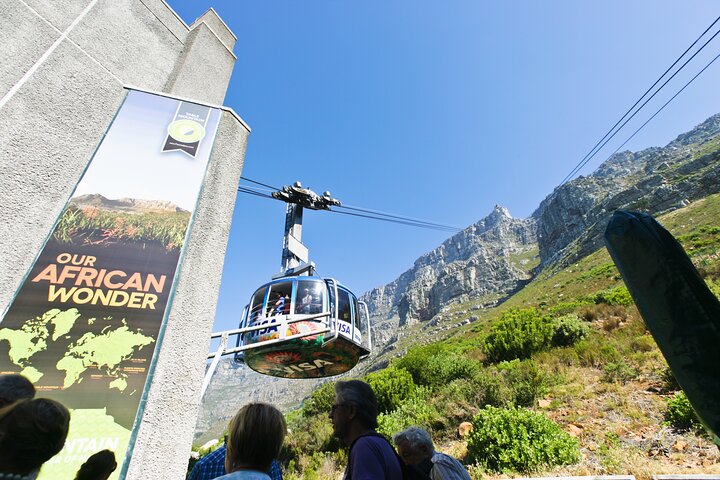
Consider this: staying in the City Bowl (downtown) puts you 15 minutes from Table Mountain's cable car and surrounded by restaurants, but you'll pay premium prices ($80–$150+ per night for decent accommodation). Choose a neighborhood like Sea Point or Camps Bay, and you're trading some walkability for beachside living and lower costs ($50–$100 per night). Go further afield to areas like Woodstock or Observatory, and you'll find creative neighborhoods bursting with street art, craft coffee, and young locals—but you'll need transport to reach major attractions.
According to Wikipedia's comprehensive entry on Cape Town, the city's unique geography—nestled between Table Mountain and the Atlantic and Indian Oceans—creates distinct microclimates and neighborhoods that feel like separate towns. Wind speeds, rainfall, and sun exposure vary dramatically depending on which side of the mountain you're on. This geography also influences neighborhood character: the Atlantic side (Camps Bay, Clifton, Bantry Bay) is cooler and more upscale; the False Bay side (Boulders, Kalk Bay) is warmer and more laid-back; the city center buzzes with energy but can feel chaotic.
Choosing the right neighborhood means understanding these trade-offs before you arrive. That's where this guide comes in.
Camps Bay: Beachside Beauty & Sunset Vibes
If you've seen a postcard of Cape Town, you've probably seen Camps Bay. This Atlantic-facing neighborhood is renowned for its palm-lined promenade, Blue Flag beach, and unobstructed views of the Twelve Apostles mountain range. It's tourist-heavy, yes, but with reason.
The vibe: Camps Bay attracts a mixed crowd—wealthy expats, honeymooners, families, and gap-year travelers. The beach attracts surfers and swimmers in summer (Oct–Feb), while the beachfront restaurants fill with sunset-watchers nightly. You'll find upscale boutiques, designer ice cream parlors, and casual beach bars alongside proper restaurants.
Cost: Accommodation runs $60–$120 per night for a decent guesthouse or hostel bed; Airbnbs and boutique hotels start around $120–$200. Meals at beachfront restaurants average $15–$25 per person; street food and casual spots run $5–$10.
Getting around: Camps Bay is about 8 km from downtown. The MyCiTi bus (the city's primary public transit) operates routes here, costing around $1.50 per journey. Many travelers rent a car or use Uber (typically $8–$12 to downtown) for convenience. Walking is pleasant along the beachfront, but the neighborhood sprawls inland.
Real talk from travelers: Emma Rodriguez, a general traveler on wondr, notes: "Camps Bay is gorgeous, but you're paying for the view. If you're on a tight budget, consider staying nearby in Green Point or Sea Point and taking the bus down for sunsets." She's right—the neighborhood is pricier than alternatives, but the evening light here is genuinely worth a few nights.
Best for: Couples, travelers wanting beach life, those seeking Instagram-worthy sunsets, and visitors with flexible budgets.
De Waterkant & The Waterfront: Urban Energy & Shopping
The V&A Waterfront is Cape Town's commercial and tourist heart. Thousands visit daily to browse shops, eat fresh seafood, and catch ferries to Robben Island. The neighboring De Waterkant neighborhood (sometimes called "The Village") is the quieter, more residential counterpart—a historic area of converted warehouses, cobbled streets, galleries, and LGBTQ+-friendly restaurants and bars.
The vibe: Waterfront is polished, touristy, and convenient—chain restaurants, international brands, and cruise-ship crowds. De Waterkant feels more local, more creative, with independent boutiques, galleries, and a thriving nightlife scene. The area has a progressive, cosmopolitan feel.
Cost: Accommodation near the Waterfront runs $70–$150 for budget to mid-range; luxury options exceed $200. De Waterkant guesthouses cost $50–$120. Restaurant prices are high everywhere here—expect $12–$20 for casual meals, $25–$50+ for proper dining. The Waterfront's food court and casual spots offer better value.
Getting around: This is the best-connected neighborhood. MyCiTi buses hub here, and Uber is reliable. Many attractions are walkable. The hop-on-hop-off tourist bus starts near the Waterfront. It's roughly 2 km from the city center and walkable in 25 minutes.
Real talk: Rachel Green, an adventure traveler on wondr, says: "The Waterfront is convenient but sterile. Stay in De Waterkant if you can—it's still close to everything but feels like you're actually in Cape Town, not a shopping mall."
Best for: First-time visitors, families, shopping enthusiasts, those wanting convenience, travelers with limited mobility.
Camps Bay, Sea Point & Atlantic Seaboard: Sun, Surf & Promenade Life
The Atlantic Seaboard—stretching from Camps Bay through Sea Point, Clifton, and Bantry Bay—offers continuous coastal beauty, but each neighborhood has distinct character and price points.
Sea Point: Just north of Camps Bay, Sea Point is less upscale but equally scenic. A 7 km beachfront promenade attracts joggers, walkers, and sunset-seekers daily. The neighborhood is more mixed—young professionals, families, backpackers, and retirees. You'll find excellent value guesthouses ($40–$80), neighborhood restaurants, and a more authentic local vibe than Camps Bay.
Clifton & Bantry Bay: These are Cape Town's most expensive neighborhoods, home to multi-million-dollar villas. Clifton's four sheltered coves are beautiful but pricey. Unless you're splurging on a luxury holiday, skip these for accommodation—but visit for a sunset swim or drinks.
Cost across the seaboard: Accommodation ranges from $40 (Sea Point hostels) to $200+ (beachfront apartments). Food varies: casual spots $5–$12, restaurants $15–$30.
Getting around: The coastal promenade connects these neighborhoods on foot (plan 1–2 hours for the full walk). Buses run parallel, and Uber is convenient. However, you're somewhat removed from inland attractions like Table Mountain's base or Stellenbosch wine estates.
Best for: Swimmers and beach lovers, those wanting an extended stay in a quieter setting, sunset enthusiasts, travelers seeking value without sacrificing location.
Woodstock & Observatory: Art, Coffee & Authentic Creativity
If you want to experience where Cape Town's young creatives actually live, head inland to Woodstock and Observatory. These gentrifying neighborhoods have transformed from rough industrial zones into hubs of street art, craft breweries, vintage shops, and character-filled restaurants. The energy is decidedly young, progressive, and fun.
Woodstock sits southeast of the city center and has become famous for its vibrant street art, particularly along Woodstock Road. The neighborhood hosts design studios, galleries, independent bookstores, and restaurants like Café Caprice (though the famous Clifton Café Caprice is different—this one is cozy and casual, mains around $12–$18).
Observatory is quieter but equally charming. Lined with Victorian houses and quirky local spots, it feels like a village within the city. The Obs is particularly known for its nightlife—dive bars, live music venues, and late-night curry houses. Walking down Lower Main Road feels like you're in a different country.
Cost: Accommodation is budget-friendly: $30–$60 for hostels, $50–$100 for guesthouses. Meals at neighborhood spots: $5–$12. The area doesn't have the restaurant price inflation of beachfront zones.
Getting around: Both are about 3–5 km southeast of downtown. MyCiTi buses connect them reliably ($1.50 per trip). Uber is cheaper here than beachfront areas ($4–$8 to downtown). If you're renting a car, note that parking can be tight, but street parking is usually free.
The draw: These neighborhoods feel real. You'll eat at spots where locals eat, see art being made, and experience Cape Town's creative community. You're further from the beach, but you're closer to authentic city culture.
Best for: Budget travelers, creatives, foodies, those wanting to experience "real" Cape Town, travelers renting longer stays.
Kalk Bay & Muizenberg: Coastal Charm on False Bay
If Camps Bay is polished, Kalk Bay is weathered and beautiful. This working fishing village on False Bay's warm waters is bohemian, artsy, and refreshingly unpretentious. The harbor still bustles with fishing boats, and the village clings to the cliffs with colorful Victorian buildings and galleries.
The vibe: Kalk Bay attracts artists, surfers (Muizenberg Beach is one of Africa's best beginner surf breaks), and travelers seeking a slower pace. The main street, Main Road, has galleries, bookstores, and seafood restaurants. The water is warmer here (False Bay's Indian Ocean is 5–10°C warmer than the Atlantic side), making swimming genuinely pleasant even in winter.
Nearby Muizenberg is slightly further south, famous for its colorful Victorian beach huts and excellent beginner-to-intermediate surf. It's more casual and budget-friendly than Kalk Bay.
Cost: Accommodation in Kalk Bay: $40–$100. Muizenberg: $30–$70. Fresh fish at harbor restaurants: $10–$18. This is one of Cape Town's best-value areas for food.
Getting around: These neighborhoods are 25–30 km south of downtown, roughly 40–50 minutes by MyCiTi bus ($2–$3). The journey is scenic—you'll pass through suburbs and along the coast. A rental car offers flexibility here, as attractions (Boulders Beach penguin colony, Cape Point) cluster nearby.
The catch: You're trading proximity to downtown and Table Mountain cable car for a more relaxed, village-like experience and access to False Bay's attractions. The commute to the city center is real.
Best for: Surfers, travelers wanting to slow down, those visiting Boulders Beach or Cape Point, budget-conscious explorers, artists and creatives.
Find Travel Companions for Cape Town
Planning a Cape Town adventure but flying solo? You're not alone—29 travelers on wondr are currently looking for companions to explore Cape Town together. Whether you're seeking someone to hike Table Mountain with, explore neighborhoods, or split accommodation costs, finding the right travel buddy can transform your trip.
Right now on wondr, you'll find travelers of all types: adventure seekers headed to Boulders Beach, budget backpackers planning Stellenbosch wine tours, and city explorers wanting to discover the best neighborhoods to stay in Cape Town together. The right companion can share costs, provide local insights, and make neighborhoods feel safer and more enjoyable to explore.
[Find travel companions for Cape Town on wondr](/find-companions/cape-town). Browse profiles of real travelers heading to Cape Town, check their interests and travel style, and connect with people who match your vibe. Whether you're staying in Camps Bay or Woodstock, you'll find companions who complement your trip. Wondr makes it easy to vet potential travel partners, chat before you meet, and start your adventure with friends instead of strangers.
This is particularly valuable in Cape Town, where having a trusted companion while exploring neighborhoods, using public transport, or hiking makes the experience richer and safer. Many travelers find their best travel friends through wondr's matching system.
Practical Logistics: Visas, Safety, Transport & Money
Before you book accommodation in the best neighborhoods to stay in Cape Town, handle these essentials.
Visas: Most Western travelers (US, UK, EU, Australia, Canada) receive a 90-day tourist visa on arrival—no application needed. However, check the official South Africa tourism board and your country's government travel advisory to confirm eligibility. If you're planning to work or stay longer, apply in advance.
Currency & Money: South Africa's currency is the South African Rand (ZAR). Exchange rates hover around 18–19 ZAR per $1 USD (verify current rates before traveling). ATMs are abundant in major neighborhoods; withdraw cash from ATMs rather than exchanging at airports (poor rates). Most restaurants and shops accept cards, but some neighborhood spots require cash. Budget travelers can eat well for $5–$12 per meal, mid-range for $15–$25, and luxury restaurants reach $50+.
Transport: The MyCiTi bus is reliable and cheap ($1.50 per journey, or buy a rechargeable card for $5 upfront + credit). However, buses can be crowded during peak hours. Renting a car ($35–$60 per day) offers flexibility but requires navigating unfamiliar roads and dealing with parking. Uber works reliably in central neighborhoods; a trip from Camps Bay to downtown costs $8–$12. Walking is pleasant in Woodstock, Kalk Bay, and the Waterfront, but avoid walking alone at night in the city center or quieter areas.
Safety: Cape Town is generally safe for tourists in busy, well-populated neighborhoods during daylight. Avoid walking alone at night in the city center, avoid displaying expensive jewelry or electronics, and use official taxis (Uber) rather than hailing cabs. Neighborhoods like Woodstock, Camps Bay, and De Waterkant feel secure even in evening. Check the UK government's travel advice for South Africa for current safety information. Most wondr travelers report feeling safe throughout the city with normal urban awareness.
Best season: October through April offers warm weather (70–80°F), perfect for beach and hiking. November–February are hottest and most crowded. May–September is cooler, windier, and wetter—but whale season (June–November) makes it special for marine lovers.
How to Choose Your Perfect Neighborhood
Now that you've read about neighborhoods, how do you decide? Ask yourself these questions:
What's your budget? Budget travelers should consider Woodstock, Observatory, Sea Point, or Muizenberg ($30–$60 nightly). Mid-range travelers get great value throughout Cape Town ($60–$120). Luxury travelers have options everywhere ($150+).
How long are you staying? For 2–3 nights, pick somewhere convenient and iconic—Camps Bay, De Waterkant, or near the Waterfront. For a week or longer, consider slower neighborhoods like Kalk Bay or Woodstock where you can live like a local.
What's your main activity? Heading to Table Mountain cable car? Stay in the City Bowl or Sea Point (close and convenient). Visiting Boulders Beach penguins? Base yourself in Kalk Bay or Muizenberg. Want nightlife and restaurants? De Waterkant, Woodstock, or Observatory. Beach and relaxation? Camps Bay or Muizenberg.
Are you traveling solo? Hostels in Woodstock, Observatory, and backpacker-friendly neighborhoods offer communal vibes. Hostels here run $30–$50 and often organize pub crawls and group activities.
What's your vibe? Luxury and upscale? Camps Bay, Clifton (splurge), or the Waterfront. Bohemian and artsy? Woodstock, Kalk Bay. Young and party-oriented? Observatory, De Waterkant. Quiet and residential? Muizenberg, upper Camps Bay.
[Book flights to Cape Town](/book/flights-to/cape-town) once you've settled on a neighborhood—flights from North America typically cost $800–$1,200 return in shoulder season, $1,200–$1,600 in peak season. [Find hotels in Cape Town](/book/hotels-in/cape-town) by neighborhood; wondr's partners offer competitive rates without hidden fees.
Ready to make it happen? [Plan your Cape Town trip on wondr](/plan?destination=Cape%20Town) and let our AI build your perfect itinerary based on your chosen neighborhood, interests, and travel style.
💡 Tips cepat
- →Book accommodations 4–6 weeks in advance during peak season (Nov–Feb). Rates drop 20–30% in shoulder season (Oct, Mar–Apr), making September or May ideal for budget travelers.
- →The MyCiTi bus is cheap and reliable, but download the routes app beforehand. Buses don't announce stops clearly, and planning ahead prevents missed connections.
- →Visit Boulders Beach penguin colony early morning (7–8 AM) to avoid crowds. Entry is $4.50 USD, and parking fills by 10 AM. It's 45 minutes from central neighborhoods.
- →Stella Stellenbosch wine tours cost $25–$50 including tastings and transport from central Cape Town. Book with established operators; many include lunch.
- →The V&A Waterfront's seafood restaurants (The Codfather, Pier restaurant) charge $18–$35 per main, but queues exceed two hours. Arrive at 5 PM or book ahead.
- →Neighborhoods like Woodstock and Observatory remain genuine and affordable only if you skip chain restaurants and eat where locals eat—street food stalls and neighborhood bistros beat tourist spots every time.
- →Rent a car only if you're confident in unfamiliar roads and willing to navigate left-side driving. Most neighborhood-based travelers find MyCiTi bus + Uber sufficient.
- →October–November brings strong winds on the Atlantic side; False Bay (Kalk Bay, Muizenberg) stays calmer. Plan beach days accordingly.
Share this destination
Siap berkunjung Cape Town?
Lihat hotel, aktivitas, dan promo — atau biarkan AI membuat itinerari lengkap.
Top things to do in Cape Town


Compare Destinations