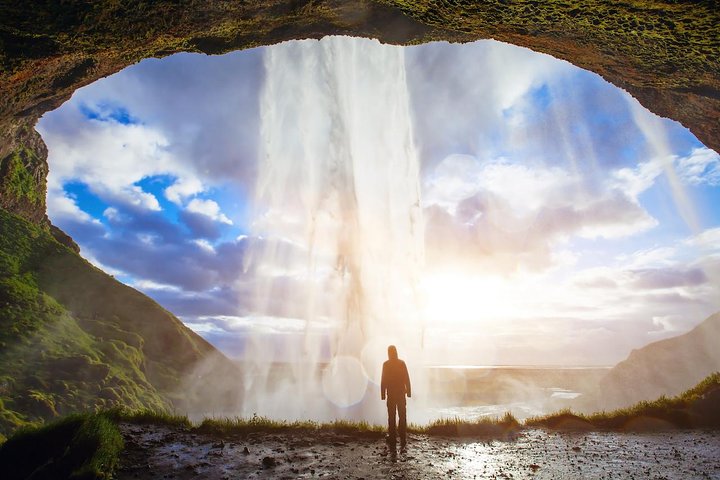
Reykjavik isn't just Iceland's capital—it's your gateway to some of Earth's most otherworldly experiences. Imagine soaking in geothermal waters while snow falls around you, standing at the edge of a glacier with crampons strapped to your boots, or watching the Northern Lights dance across an Arctic sky. A 5-day Reykjavik itinerary gives you just enough time to experience the city's vibrant culture, compact walkability, and the dramatic natural wonders that make Iceland legendary. This Reykjavik itinerary 5 days complete guide will walk you through exactly how to spend your time—whether you're chasing auroras in winter, catching the Midnight Sun in summer, or visiting shoulder season when the crowds thin but the magic remains. We've included real prices, specific neighborhood recommendations, exact restaurant names, and authentic advice from travelers who've done it. By the end of this guide, you'll have a day-by-day roadmap that balances adventure with relaxation, city exploration with nature immersion. Reykjavik itself is compact enough to explore on foot, with colorful corrugated-iron houses, world-class restaurants, and cutting-edge design studios tucked into quiet streets. But what makes a 5-day stay truly special is the accessibility to Iceland's most famous natural attractions—the Golden Circle, the Blue Lagoon, and glacier hikes are all within reach for day trips or half-day excursions. Whether you're traveling solo, with a partner, or as a group, this comprehensive Reykjavik itinerary 5 days breakdown will help you maximize every moment.
Day 1: Arrive & Explore Downtown Reykjavik
Your first day is about acclimation, orientation, and absorbing the city's unique character. Most international flights arrive at Keflavik International Airport (about 50km southwest of the city). The easiest transfer is the Flybus shuttle service, which costs around $20 USD one-way and takes 45 minutes, or you can rent a car for approximately $40-70 USD per day—highly recommended if you're planning the Golden Circle and South Coast drives.
Once in Reykjavik, drop your bags at your hotel and head straight to Hallgrímskirkja, the iconic church whose tower dominates the skyline. The elevator ride to the top costs $12 USD and rewards you with 360-degree views of the city and surrounding mountains. On clear days, you can see all the way to distant glaciers.
Walk down to the Old Harbor (Höfn), where colorful buildings line the waterfront. This is where Reykjavik's soul lives—bustling with restaurants, galleries, and genuine local energy. Have lunch at Ísafold (mains $18-28 USD), a cozy Icelandic spot known for fresh fish and traditional lamb stews. The horse meat is actually worth trying if you're adventurous—it's lean and tender.
Spend your afternoon wandering the neighborhoods. Laugavegur, the main shopping street, is pedestrian-friendly and packed with local boutiques, not chains. Pop into Perlan, a cultural center with museums and a rotating glass dome offering another vantage point of the city. Grab coffee at Kaffistofa ($5 USD for excellent espresso) and observe how Icelanders genuinely seem to enjoy sitting for hours with a single cup.
As evening approaches, if it's September through March, check aurora forecasts on the Icelandic Meteorological Office website. Even on your first night, if conditions are favorable (look for KP index of 3+), a guided Northern Lights tour ($70-110 USD) might be worth booking last-minute. If it's summer, the light won't fade completely, so enjoy dinner outdoors. Hit Dill Restaurant ($60-90 USD per person, reservations essential) for modern Nordic cuisine, or grab fish and chips at Bæjarins Beztu ($12 USD), a legendary hot dog stand that locals have loved since 1937.
Day 2: Golden Circle Day Trip & Geothermal Geysers
The Golden Circle is Iceland's most famous route—and for good reason. This 300km loop covers three UNESCO-worthy sites and is easily doable as a full-day excursion from Reykjavik. You have two options: join a guided tour ($80-120 USD including lunch) or rent a car and self-drive (gives you more flexibility and costs roughly $50-70 for the rental plus gas).
Þingvellir National Park is your first stop (45 minutes from Reykjavik). Here, you'll literally stand between two tectonic plates—the Eurasian and North American plates—in a dramatic rift valley. The visitor center costs $8 USD to enter, but the main walking trails are free. Hike the Lögberg trail (about 1.5 hours round trip, easy terrain) to see where Iceland's first parliament met in 930 AD. The geological significance combined with Icelandic history makes this far more than just a scenic spot.
Geysir geothermal area is 1.5 hours further northeast. The original Geysir geyser is dormant these days, but Strokkur erupts every 5-10 minutes, shooting boiling water 40 meters into the air. It's genuinely thrilling—stand back about 20 meters and bring water-resistant clothing. The geothermal park is free to walk around, though there's a nice visitor center with geothermal-powered heating and a restaurant with mains around $20-30 USD.
Gullfoss waterfall is your third stop, about 10km away. This two-tiered waterfall plunges 32 meters and is absolutely breathtaking—especially in summer when meltwater makes it roar. There's free parking and a visitor center with facilities. The walk to the falls is short (10 minutes) and accessible.
This is a long day (8-10 hours total including driving), so many travelers grab a packed lunch (make one at your hotel or stop at a gas station—Icelandic fuel stations actually have decent food for $10-15 USD). As James Chen, an adventure traveler on wondr, shares: 'The Golden Circle taught me why Iceland is obsessed with geology—standing between tectonic plates with water erupting from the earth and then plunging waterfalls really does something to your sense of scale.'
Day 3: Blue Lagoon Soak & South Coast Exploration
The Blue Lagoon is Iceland's most-visited natural attraction—a stunning geothermal spa where milky-blue mineral-rich water stays at 37-39°C (98-102°F) year-round. It sits between Reykjavik and Keflavik Airport, making it perfect for Day 3. Book in advance online; prices range from $65 USD (Comfort) to $250+ USD (Luxury with premium silica mud treatments and premium beverages). The Comfort ticket gives you everything you need—the experience of floating in otherworldly blue water is the same regardless of tier.
Arrive early (8 or 9 AM) to beat midday crowds. Bring a towel or rent one ($8 USD). Pro tip: the lagoon's far edges are less crowded than the center. Soak for 1-2 hours, enjoy the geothermal heat, and if you go in winter, the contrast between hot water and cold air with snow possibly falling is surreal.
After the lagoon, drive 45 minutes to the South Coast for dramatic black sand beaches and waterfalls. Stop at Seljalandsfoss, a waterfall you can actually walk behind (about 20 minutes from the road). Entrance is free. Then visit Skógafoss, a more powerful waterfall about 30 minutes further east. Both require minimal hiking and offer otherworldly Icelandic scenery.
If you're feeling adventurous, Sólheimasandur plane wreck is nearby—a 1973 crashed DC-3 sits on a black sand beach, accessible via a 4km walk. It's gained popularity on Instagram, so expect crowds, but it's genuinely eerie and photogenic. Free to visit, about 1 hour from parking lot to wreck.
Stay overnight on the South Coast if possible—try Hotel Skaftafell (around $150-200 USD per night) or the village of Vík. Dinner at Halldórsskálinn in Vík ($25-35 USD mains) offers local lamb and fresh fish with views toward the black sand beaches. If you return to Reykjavik for the night, budget 2.5 hours driving time.
Day 4: Glacier Hiking & Winter Adventure (or Whale Watching)
Day 4 is where your Reykjavik itinerary 5 days becomes truly unforgettable. You have two options depending on season:
Winter/Spring Option: Glacier Hiking on Sólheimajökull Iceland's glaciers are receding, but hiking on one remains an essential experience. Sólheimajökull (part of the larger Mývatn glacier) is accessible from the South Coast. Several operators run guided glacier hikes (around $110-150 USD including equipment)—try Arcanum or Icelandic Mountain Guides. You'll be fitted with crampons (spiked boot attachments), given an ice axe, and led by experienced guides across crevasse-free routes suitable for beginners.
The hike typically lasts 3-4 hours including instruction and a walk across the glacier's surface. Yes, it's intimidating—the ice is real, the crevasses are real, the danger is real but managed. What's not often discussed is the silence and the views. Standing on a glacier, surrounded by ice formations, blue ice caves sometimes visible, feeling the glacier's weight beneath you—it's genuinely transformative. Wear layers; you'll warm up quickly during the hike.
Summer Option: Midnight Sun Whale Watching If you're visiting June-August, the sun barely sets. A Midnight Sun whale watching tour ($80-120 USD, departing 8-9 PM) from Reykjavik's Old Harbor typically lasts 3 hours and offers excellent chances of spotting humpback whales, minke whales, and white-beaked dolphins. The tours are popular with good reason—the combination of wildlife sightings, the surreal twilight light, and the maritime heritage is special. Bring seasickness medication if prone, and wear waterproof outerwear—sea spray is real.
Regardless of which you choose, this day is physically demanding but absolutely worth it. Return to Reykjavik in the evening and recover with dinner at Maturin (around $70-90 USD per person), an intimate restaurant focusing on seasonal Icelandic ingredients and creative preparations. Rachel Green, an adventure traveler on wondr, puts it perfectly: 'After a full day on a glacier, sitting in a warm restaurant with a glass of Icelandic wine and fresh Arctic char felt like luxury in the truest sense.'
Day 5: Culture, Nightlife & Final Memories
Your final day should balance relaxation with those last-minute experiences. Start with brunch at The Coocoo's Nest ($18-25 USD), a beloved local spot in a charming house with excellent pancakes and coffee. Then visit the National Museum of Iceland ($20 USD entry, free for under 18), which provides excellent context for Viking history, settlement patterns, and Icelandic culture. The geological exhibits tie together everything you've seen in the past few days.
Spend your afternoon in the Reykjavik Art Museum, which has three locations—focus on the main building on Hverfisgata street ($18 USD entry). Contemporary Icelandic art often engages with landscape and isolation themes; it's worth seeing how local artists process the environment you've been experiencing.
If the Northern Lights are forecasted for your final evening (September-March), book one last guided tour ($70-110 USD). There's genuine magic in chasing them multiple nights—sometimes you don't see them, sometimes they explode across the sky. If lights are unlikely or it's summer, embrace Reykjavik's renowned nightlife. Start with Craft beers at Ölstofan (beers $8-12 USD), then move to dinner at Grillmarkadurinn ($60-85 USD), where wood-fired cooking and Icelandic ingredients shine. For late-night fun, Sólon and Hverfisbarinn are popular bars where locals actually congregate (not just tourists). Yuki Tanaka, a nightlife enthusiast on wondr, notes: 'Reykjavik's bar scene surprised me—genuinely friendly locals, interesting cocktails, and none of that forced tourist-trap feel.'
On your final morning, grab rúgbrauð (dense, sweet Icelandic rye bread) from Brauð & Co ($8 USD for a sandwich) before heading to the airport. If your flight is late afternoon, consider a quick Golden Circle tour or simply walk the city one more time—Reykjavik reveals different character in different light, and you'll notice details you missed on Day 1.
Find Travel Companions for Reykjavik
Planning a 5-day Reykjavik trip doesn't mean you have to go solo. Right now, 32 travelers on wondr are looking for companions to explore Reykjavik together—some chasing Northern Lights, others planning glacier hikes, some just wanting to share the experience of Iceland's capital.
Traveling with others can dramatically enhance your experience. You'll share the cost of car rentals, split accommodation upgrades, have someone to wake you up if Northern Lights appear at 2 AM, and create genuine memories with people who share your sense of adventure. Whether you're looking for a travel buddy for the full 5 days, a companion for specific activities (like glacier hiking or Blue Lagoon), or just someone to grab dinner with after a long day of exploration, wondr makes finding compatible travel companions straightforward.
On wondr, you can filter by travel style, budget level, interests, and dates. You can message potential companions before committing, see their past reviews from other travelers, and plan together. Many solo travelers book hotels with flexible cancellation and then upgrade to shared accommodations once they connect with companions—it's a smart strategy that also reduces costs.
Whether you're an adventure seeker planning to tackle Sólheimajökull glacier, a Northern Lights chaser wanting to optimize aurora tours, or someone seeking the perfect balance of city exploration and natural wonders, finding your travel crew makes the experience richer. **Find travel companions for Reykjavik on wondr** and connect with people who are excited about the same experiences you are. The community is welcoming, genuine, and genuinely passionate about Iceland.
Practical Logistics: Visas, Currency, Transport & Safety
Visas & Documentation US, UK, EU, Canadian, Australian, and New Zealand citizens don't need visas for Iceland—you get 90 days visa-free as a tourist. Check the official Iceland tourism board for the most current requirements. Your passport must be valid for at least 6 months. Travel insurance is highly recommended; Icelandic healthcare is excellent but expensive for non-residents ($300+ USD for a doctor visit).
Currency & Costs Iceland uses the Icelandic króna (ISK). As of 2024, 1 USD = approximately 130-135 ISK. ATMs are abundant in Reykjavik; withdraw króna rather than exchanging dollars. Credit cards are accepted everywhere (even hot dog stands), and many businesses don't carry cash. Budget approximately: - Mid-range hotel: $120-180 USD per night - Restaurant meal: $18-35 USD - Guided tours: $70-150 USD - Blue Lagoon: $65-250 USD - Car rental: $50-100 USD daily - Flights to Reykjavik: $400-800 USD depending on origin
**Book flights to Reykjavik** through wondr's booking partners for transparent pricing and flexible cancellation.
Transportation Reykjavik city center is entirely walkable. For day trips, you'll want a car or a guided tour. If renting, expect to pay for gas (around $5-6 USD per liter) and note that Icelanders drive on the right. Mountain roads (F-roads) require 4WD—regular cars shouldn't attempt them. **Find hotels in Reykjavik** in the city center (Old Harbor, Laugavegur area, or near Hallgrímskirkja) to minimize transportation needs within the city.
Public buses (Strætó) cost $2-3 USD per ride with a card. Domestic flights exist to other regions, but for a 5-day Reykjavik itinerary, you won't need them.
Safety & Health Iceland is exceptionally safe—violent crime is rare, theft is uncommon, and locals are genuinely helpful. That said, nature is unforgiving. Respect barriers, heed warning signs, don't underestimate weather, and never venture off marked trails or cross rivers—people die doing this annually. Check gov.uk/foreign-travel-advice/iceland or travel.state.gov for official advisories.
The water is safe to drink from taps everywhere. Winter driving requires caution—roads are well-maintained, but ice and sudden weather changes happen. Summer offers better driving conditions but also brings crowds.
Best Time for Your 5-Day Reykjavik Itinerary September-March offers Northern Lights but shorter days, colder weather, and sometimes challenging road conditions. June-August provides the Midnight Sun, easier travel, but peak crowds and higher prices. Shoulder seasons (April-May, September-October) offer a balance—fewer crowds, decent weather, and occasional Northern Lights. Your choice depends on priorities.
💡 Quick Tips
- →Book your Blue Lagoon ticket online in advance; it fills up daily and online prices are cheaper ($65 vs $80+ at the gate). Plan for a weekday morning if possible to avoid peak crowds.
- →Rent a car if you're comfortable driving—it gives flexibility on the Golden Circle and South Coast and typically costs the same or less than organized tours once you factor in group transportation.
- →Download the 'Aurora Forecast' app to monitor Northern Lights activity throughout your stay. Check forecasts nightly in winter; aurora season is September-March with peak activity December-February.
- →Eat your big meal at lunch, not dinner—restaurants charge significantly more for evening service. A typical dinner runs $60-90 USD per person at mid-range restaurants.
- →Thermal pools are everywhere and nearly free ($5-8 USD)—locals use them year-round. The famous Blue Lagoon is stunning but try lesser-known pools like Sundhöllin or Laugardalslaug ($5 USD entry) for an authentic, uncrowded experience.
- →Book glacier hikes and whale watching tours 2-3 days in advance if possible; last-minute bookings often sell out or have limited availability, especially in peak season.
- →Bring waterproof, layered clothing and quality hiking boots—even summer can be cold and wet. Merino wool base layers are worth the investment for Icelandic weather.
- →The Icelandic word 'bless' (pronounced 'pless') means goodbye; saying it to locals as you leave shops or restaurants genuinely delights them and costs nothing.
Share this destination
Ready to visit Reykjavik?
See hotels, activities, and deals — or let AI build your full itinerary.