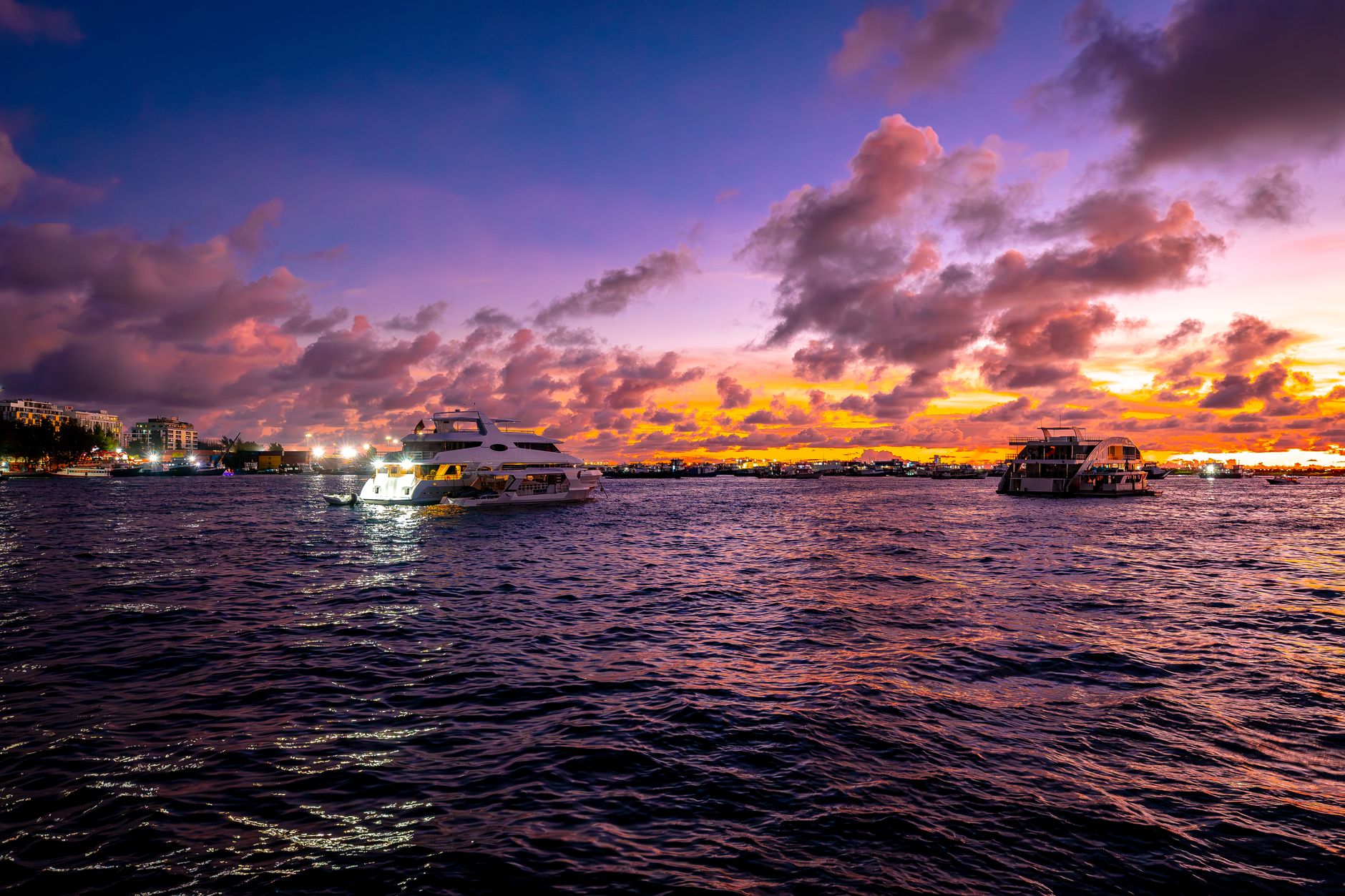

The Maldives in fall—roughly September through October—is an increasingly popular time to visit this stunning island nation, despite being technically the tail end of the monsoon season. While November marks the true beginning of the dry season (peak tourist time), early fall offers fewer crowds, better prices, and still-incredible weather for most of your stay. The question is: what to pack for Maldives in fall to ensure you're prepared for the variable conditions without overpacking your carry-on? I've stood on those pristine white-sand beaches with overwater bungalows stretching into crystalline lagoons, and I've also scrambled back to my room during unexpected afternoon showers. This guide pulls together everything you need to know about packing for this magical destination during the shoulder season, from lightweight rain gear to snorkeling essentials. Whether you're planning a romantic honeymoon or a couples' escape, you'll find that packing smartly for fall weather makes all the difference between a stressed traveler and one genuinely soaking in the magic of the Maldives.
Understanding Maldives Fall Weather and Climate
Before diving into what to pack for Maldives in fall, you need to understand what you're walking into weather-wise. September and October sit in the southwestern monsoon period, which sounds intimidating but honestly isn't. What this means: afternoon showers are common, but they're typically brief, warm tropical downpours—not cold, dreary rain. Temperatures hover around 86–88°F (30–31°C) with humidity that feels tropical rather than oppressive.
According to the official Maldives tourism board, September–October is considered the green season, when the islands are lush and the water remains warm for diving and snorkeling. The waves are a bit larger on the eastern atolls, which actually makes for better conditions if you're into surfing or more dynamic water sports. Nighttime temperatures rarely drop below 75°F (24°C), so you won't need heavy layers.
The key difference between early fall and peak season (November–April) is visitor volume and pricing. You'll encounter maybe 30–40% of the crowds you'd find in December, and room rates can be 20–35% lower. The trade-off is occasional rain, but with proper packing, that's a non-issue. The lagoons remain stunning, coral visibility remains excellent (60–100+ feet), and the sunsets are still absolutely world-class.
Essential Clothing: Lightweight Fabrics and Layering
When thinking about what to pack for Maldives in fall, the golden rule is: lightweight, fast-drying, breathable fabrics. Forget heavy cottons and denim entirely. You're looking at quick-dry materials, linen blends, and moisture-wicking synthetics.
For daytime: Pack 4–5 lightweight short-sleeve shirts or tank tops made from moisture-wicking fabric (brands like ExOfficio, Patagonia, or even basic polyester blends work brilliantly). Include at least one lightweight long-sleeve rashguard or UV shirt—not just for sun protection, but because many resorts require covered shoulders for dinner (more on that in a moment). Two pairs of lightweight pants or capris made from fast-dry material are enough; you'll spend most of your time in swimwear anyway. Include 3–4 pairs of shorts, ideally the kind with pockets and quick-dry technology. Linen shorts are perfect for this climate.
For evenings: Here's where packing strategy matters. Even in fall, resorts maintain a casual-elegant atmosphere for dinner. Bring one lightweight sundress or casual linen shirt-and-shorts combo that looks put-together without being formal. If your resort has a dress code (most luxury properties do), they typically ask for 'smart casual'—no beachwear, no athletic wear. A flowy midi dress in cotton or linen works beautifully and packs small. One lightweight cardigan or sarong is essential; air-conditioning in restaurants can be intense, and it doubles as a beach cover-up.
Undergarments: Pack more than you think you'll need. The humidity makes things damp, and quick-dry underwear is genuinely life-changing. Bring 8–10 pairs. One lightweight bra (or none—many travelers go without in this setting) and one sports bra for water activities. The sun and salt water are brutal on fabric, so having extras matters.
Rain Gear and Water Protection You Actually Need
This is the section where most packing guides get vague, so let me be specific. Yes, you need rain protection for fall, but you don't need a heavy raincoat. A packable, lightweight rain jacket (the kind that folds into its own pocket) weighs almost nothing and takes up minimal luggage space. Look for something water-resistant rather than fully waterproof—breathability matters in this climate. Brands like Patagonia Houdini ($99–$129) or even budget options from Amazon ($20–$40) work perfectly.
Alternatively, a high-quality poncho or rain cape (around $30–$50) is brilliant for the Maldives because it covers your entire body without trapping heat. Many island travelers swear by these. Avoid plastic ponchos; they're suffocating in tropical heat. You'll also want a compact umbrella (the kind that opens to about 42 inches), though honestly, many travelers skip this entirely and just enjoy the rain.
Here's what people often overlook: waterproof bags for electronics. Bring 2–3 dry bags or waterproof pouches for your phone, camera, and valuables. These cost $10–$20 and are absolutely worth it given the moisture and occasional rain. A waterproof phone case (around $15–$25) is also smart if you plan underwater photography.
For your luggage itself, pack clothes in compression bags or packing cubes. This serves dual purposes—it keeps moisture from spreading if a bag gets damp, and it maximizes space. Consider packing non-essential items in plastic grocery bags; it sounds low-tech, but it genuinely helps manage humidity damage.
Footwear: What Actually Works in Sand and Water
Forget what you think you know about tropical footwear. What to pack for Maldives in fall means rethinking shoes entirely. You'll spend 70% of your time barefoot, 20% in water shoes or flip-flops, and maybe 10% in anything with actual structure.
Essential footwear: - One pair of water shoes or aqua socks ($25–$50). These are non-negotiable for reef walks, diving, and snorkeling. Brands like Merrell, Keen, or even generic Amazon options ($15–$25) work fine. They're lightweight, drain quickly, and protect your feet from sharp coral and sea urchins. - Two pairs of quality flip-flops or sandals. Locals and resorts will provide basic flip-flops, but having your own means you're not dependent on resort quality. Pack one nice pair (Havaianas, around $25–$35) for dinner and one casual pair for beach walks. Both should be quick-drying. - One pair of lightweight hiking sandals (Chacos, Tevas, or similar; $60–$100) if you're adventurous and might explore local islands. These are optional but worth considering. - Zero regular shoes. Seriously. Sneakers are unnecessary and honestly unpleasant in this climate.
The insider trick: bring a lightweight pair of socks (yes, socks!) to wear with sandals during flights and in aggressively air-conditioned resort spaces. This feels strange but prevents the sock situation from being uncomfortable. Pack maybe two lightweight pairs.
One more thing—bring flip-flop replacement straps or a spare pair hidden in your luggage. Flip-flops in saltwater sometimes fail unexpectedly, and resorts don't always have replacements in your size.
Sun Protection and Skincare Essentials
The Maldives sun is absolutely no joke, even in fall. You're near the equator with intense UV reflection off white sand and water. This is where packing for the Maldives in fall requires serious consideration of sun protection products.
Sunscreen: Bring reef-safe sunscreen (SPF 50+ minimum). Oxybenzone and octinoxate harm coral, and the Maldives has already lost significant reef coverage. Look for mineral sunscreens with zinc oxide or titanium dioxide. Expect to pay $12–$20 per bottle, and bring multiple bottles because you'll use more than you think. A 3.4 oz bottle gets you maybe 4–5 days of full-body application. I typically pack three bottles for a week-long trip. Brands like Blue Lizard, Neutrogena Ultra Sheer, or Coppertone Sport work well and are often available duty-free.
Sun shirts and rash guards: Already mentioned, but worth emphasizing—pack at least two UV-protective swim shirts. These aren't optional for people with fair skin or those snorkeling all day.
Hat and sunglasses: Bring a packable, wide-brimmed hat (straw hats are lighter and cooler; $15–$30). Quality sunglasses with UV protection are essential ($50–$200 depending on your preference; polarized lenses reduce water glare beautifully). Quick-tip: bring a cheap pair as backup since saltwater is brutal on sunglasses.
Skincare: Pack a small container of hydrating facial moisturizer and lip balm with SPF. The combination of sun, salt, and air conditioning absolutely dries skin out. Aloe vera gel (or bring a travel size of a quality brand like Cetaphil; $8–$12) is crucial for inevitable sun exposure or minor irritation. Consider a gentle exfoliating face wash because dead skin builds up fast in this climate.
As Rachel Green, a general traveler on wondr, shares: 'I didn't pack enough sunscreen for Maldives and ended up spending $40 on a tiny bottle from the resort shop—learn from my mistake!' Her wisdom applies year-round, including fall visits.
Snorkeling and Diving Gear: Rent vs. Pack Decision
Here's where many travelers overthink packing. What to pack for Maldives in fall regarding water sports depends on your experience level and equipment preferences.
If you're a casual snorkeler: Don't pack snorkeling gear. Seriously. Your resort will provide basic snorkels, masks, and fins (usually included in all-inclusive packages), or you can rent quality gear for $20–$40/day. Rental quality is solid at most resorts. The exception: if you have expensive prescription snorkel masks ($150–$400), bring those. Otherwise, renting makes sense.
If you're a certified diver: This changes things. Many divers prefer bringing their own mask, fins, and dive computer because fit and comfort are crucial. However, diving operations in the Maldives are world-class and provide quality gear rentals ($25–$50/dive). For a 7-day trip with 10 dives, that's maybe $250–$500 in rentals, which is worth not packing heavy equipment. The exception again: if you have highly specialized gear (tech diving equipment, expensive regulators), bring it. For standard recreational diving, renting is practical and smart.
Pack these water-specific items instead: - Your personal prescription mask (if applicable; $80–$300) - Anti-fog solution for masks ($5–$8) - Dive log book if you're logging dives for certification - Underwater camera or GoPro ($300–$500, though you can rent these too for $20–$40/day) - Waterproof watch or dive computer (if you own one; otherwise, your resort's dive guides have these)
The Maldives is home to over 2,000 species of fish and 187 coral species. The diving here is genuinely world-class, especially September–October when the whale shark season begins and visibility on eastern atolls can exceed 130 feet. Most resorts offer daily house reef snorkeling included in rates, plus scheduled boat dives ($80–$150 per dive depending on location and resort).
Find Travel Companions for Maldives
Here's something wonderful: you don't have to plan this dream solo. Right now, 38 travelers on wondr are actively looking for companions to explore the Maldives together. Whether you're seeking a fellow adventure enthusiast, someone to share costs on a couples' trip, or just a travel buddy to make the experience more social, the companion network is vibrant and growing.
Many travelers find that sharing a Maldives trip—even if you split resorts or meet up for activities—makes the experience richer. You get local insights, shared snorkeling expeditions, someone to photograph you on that overwater bungalow, and genuine connections with people who share your travel passion. Yuki Tanaka, a nightlife and city-break traveler on wondr, puts it perfectly: 'Finding travel companions through wondr transformed my trips from solo adventures into shared memories.' While Yuki typically explores nightlife in urban destinations, the same principle applies to tropical escapes—having the right travel buddy matters.
On wondr, you can filter by travel dates, interests (snorkeling, diving, relaxation, adventure), budget level, and travel style. Most Maldives travelers seek companions for September–October specifically to take advantage of lower prices and fewer crowds. You can also check if someone's visiting the same resort or atoll—making meetups easy.
[Find your Maldives travel companion on wondr today](/find-companions/maldives) and start building connections with people who get why the Maldives captures hearts. The platform's AI matching helps you find compatible travelers based on interests, pace, and budget—from luxury resort-hoppers to budget-conscious explorers.
Practical Items and Documentation You'll Actually Need
Beyond clothing and sun protection, what to pack for Maldives in fall includes several practical items that actually matter:
Medications and health items: Bring any prescription medications you need (prescription drugs can be difficult to obtain in the Maldives), plus a basic first-aid kit with pain relievers, antihistamines, anti-nausea medication, and antacids. Bring more than you'd normally use—tropical climates sometimes cause digestive shifts. A small tube of hydrocortisone cream helps with minor rashes or irritation from saltwater. Bring insect repellent with at least 20% DEET (mosquitoes are present, though dengue and malaria risk is low; the Maldives is well-developed and maintains strong mosquito control). Anti-diarrhea medication is smart to have; the resort's water is safe, but dietary changes affect some travelers.
Documentation: Carry your passport, travel insurance documents (strongly recommended for international travel), and printed copies of your resort booking confirmation and flight details. While the Maldives doesn't require a visa for most passport holders (check the official Maldives tourism board for your specific nationality), having documentation organized prevents airport stress. The currency is Maldivian Rufiyaa (MVR), but most resorts operate on a dollar basis and USD is widely accepted. Bring some cash ($100–$200 USD minimum) for tips and occasional local island visits.
Electronics: Pack universal power adapters (Maldives uses Type G plugs, the same as the UK). Bring charging cables for your phone, camera, and any other devices. Many resorts offer charging stations, but having backups is smart. Consider a portable phone charger ($20–$40) for days on boats or islands away from outlets. If you're bringing a laptop or tablet, ensure you have the right adapters.
Reading and entertainment: Bring an e-reader or tablet loaded with books, movies, or shows. Wifi at resorts is generally reliable, but download content for boat transfers. Some travelers bring physical books; they're heavier but a beautiful way to slow down during island time.
Toiletries: Resorts provide basic toiletries, but bring your preferred brands of shampoo, conditioner, body wash, and face cleanser in travel sizes (3.4 oz or less if flying internationally). The salt water and sun are incredibly drying, so quality toiletries matter. Bring deodorant (hard to find in Maldives), nail clippers, and a small sewing kit for quick repairs to clothes or swimwear.
Packing Strategy and Luggage Tips
Now that you know what to pack for Maldives in fall, the actual packing process matters. Here's the practical approach:
Luggage choice: One carry-on and one checked bag is ideal. The Maldives is a long journey from most departure points, and checked baggage sometimes gets delayed on international routes. I typically pack essentials (medications, electronics, one swimsuit, one outfit, toiletries, sunscreen, and valuables) in my carry-on and everything else in checked luggage. For a week-long trip, one carry-on roller and one medium checked suitcase works perfectly. If you're overpacking, you're doing it wrong.
Packing order: Start with heavy items at the bottom of your checked bag (shoes, toiletries), then layer clothing in packing cubes organized by outfit or clothing type. Put delicate items (sunglasses, electronics) in your carry-on. Keep snorkeling gear (if you're bringing any) accessible; don't pack it deep in luggage where you can't reach it for the first few days.
Weight management: Fall weather means lighter fabrics, which is genuinely helpful for weight limits. Most airlines allow 50 lbs for checked baggage; you should easily stay under that. Avoid overpacking 'just in case'—resorts sell basics, and laundry service is available (often included in all-inclusive rates).
Pre-trip checklist: Before finalizing what to pack for Maldives in fall, review your resort's specific guidelines. Some luxury properties have dress codes (typically smart casual for dinner, which I've addressed in the clothing section). Check the weather forecast for your specific travel dates—September can be rainier than October, which might shift your rain gear priorities slightly.
As Marcus Johnson, a general traveler on wondr, wisely notes: 'I over-packed for my first tropical trip and regretted it by day two. My second trip, I packed half as much and enjoyed the lightness.' His insight resonates—tropical travel is when minimalist packing genuinely improves your experience.
💡 クイックヒント", blog_more_stories: "もっとストーリー
- →Pack 2–3 pairs of quality reef-safe sunscreen (SPF 50+) and reapply every 2 hours while snorkeling or diving; the Maldives' coral is precious and fragile.
- →Bring quick-dry clothing exclusively—cotton takes forever to dry in humidity and promotes mildew in luggage. Synthetic blends and moisture-wicking fabrics are non-negotiable.
- →Skip hiking boots, sneakers, and formal shoes entirely; you'll wear flip-flops 80% of the time and water shoes for activities. Pack light, and you'll thank yourself.
- →Invest in a packable rain jacket and waterproof bags for electronics—fall afternoon showers are common, but proper gear means they're zero inconvenience.
- →Bring more underwear and socks than you think you need; the combination of moisture and saltwater means laundry cycles need flexibility.
- →Consider renting snorkeling and diving gear rather than packing it; resorts provide quality equipment, and you'll save 10+ pounds of luggage weight.
- →Pack one 'nice casual' outfit for resort dinners—most properties have smart-casual dress codes that require covered shoulders and no beachwear.
- →Bring a portable phone charger, universal power adapter, and extra charging cables; you'll spend significant time on boats where outlets aren't available.

Share this deal
訪問の準備はできましたか Maldives?
ホテル、アクティビティ、お得情報を見る — またはAIに完全な旅程を作ってもらいましょう。