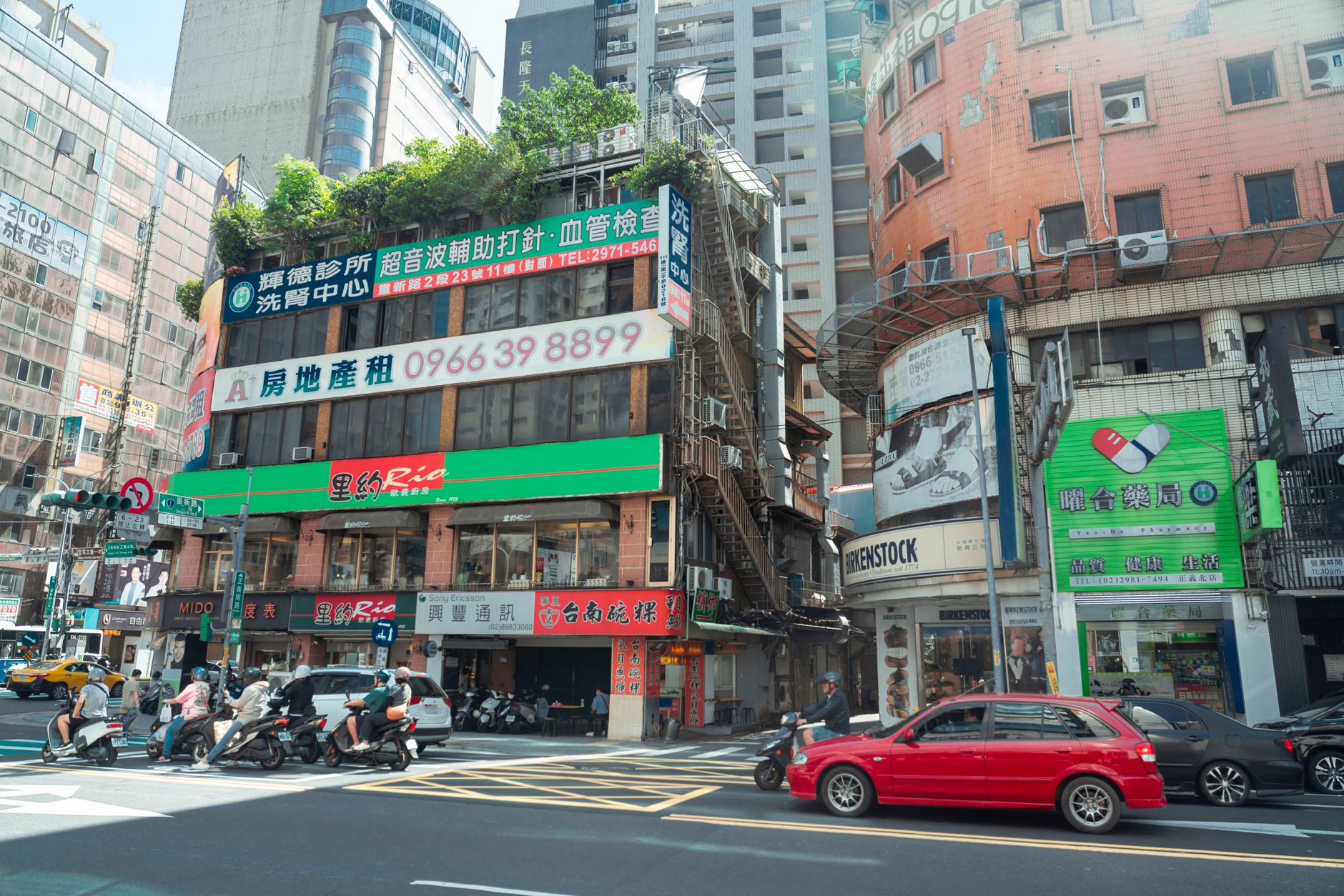

Taipei in fall is pure magic. The oppressive summer humidity finally breaks, the city's stunning temples glow in golden afternoon light, and the night markets buzz with energy as locals celebrate the cooler season. Whether you're planning to lose yourself in the steaming chaos of Shilin Night Market, soak in the mineral-rich waters of Beitou hot springs, or ride the elevator to the top of Taipei 101, you need to pack smart—and that starts with understanding what to actually bring. The question "what to pack for Taipei in fall" seems straightforward, but there's more to it than throwing some sweaters in a suitcase. Taipei's autumn weather is wonderfully mild compared to other Asian cities, but it's not uniform across the three-month season. October still carries hints of summer warmth, while November and December lean genuinely cool. Rain is always a possibility. And if you're planning to visit Beitou's hot springs or venture into the mountains around Jiufen, your packing strategy needs to account for microclimates and activities you won't face in the city center. This guide breaks down exactly what to pack for Taipei in fall, based on real traveler experiences and local insights. We'll cover the weather patterns, layering strategies, footwear choices, and those often-forgotten items that make the difference between a comfortable trip and a frustrating one. By the end, you'll know precisely what goes in your suitcase—and more importantly, why.
Understanding Taipei's Fall Weather (October–December)
Before you start packing, you need to understand what "fall" actually means in Taipei. This city doesn't experience dramatic seasonal shifts like northern climates. Instead, October–December represents a gradual transition from tropical to mild subtropical weather.
October is the gateway month. Temperatures hover around 75–82°F (24–28°C) during the day, with lingering humidity that can make it feel warmer. You'll still need lightweight clothing, but you can finally ditch the heavy sweating that defines Taipei summers. Rain is occasional but brief.
November is arguably the best month to visit—locals call it the "sweet spot." Daytime temperatures drop to 64–73°F (18–23°C), humidity plummets, and the air becomes crisp and clear. This is when Taipei 101 looks spectacular from street level, and the air quality improves significantly. You'll see locals wearing light sweaters and jackets for the first time since March.
December continues the cooling trend, with temperatures ranging from 57–66°F (14–19°C). It's the coolest month but still not cold by Northern Hemisphere standards. Rain increases slightly as the winter monsoon season begins to establish itself, so waterproof layers become more essential.
According to the official Taiwan tourism board, fall is peak travel season precisely because of these mild conditions. The humidity that makes Taipei suffocating in summer and early fall finally releases its grip, making walking around neighborhoods like Xinyi District and exploring Longshan Temple genuinely enjoyable rather than an endurance test.
Realistically, what to pack for Taipei in fall depends heavily on which month you're visiting and your personal cold tolerance. Someone visiting in early October needs different items than someone arriving in late December. We'll address both scenarios throughout this guide.
Clothing Essentials: Layering Is Your Best Friend
The golden rule for what to pack for Taipei in fall is this: layer everything. This single principle will determine your comfort more than any other packing decision.
Start with lightweight base layers. Pack 4–5 breathable t-shirts and long-sleeve shirts in natural fabrics like cotton or moisture-wicking synthetics. Taipei's air quality varies seasonally, and a long-sleeve shirt protects your skin during pollution spikes while keeping you cool on warm days. Specific neighborhoods like Daan District and Songshan can have different air quality than Xinyi, so layering gives you flexibility to adapt throughout the day.
Next, the critical piece: lightweight cardigans and sweaters. Pack 2–3 in merino wool or cotton blends. These aren't heavy winter sweaters—think thin layers you can tie around your waist or throw over a t-shirt. Many travelers underestimate how much they'll use these. Emma Rodriguez, a wondr traveler who explored Taipei's neighborhoods extensively, notes: "I wore my light cardigan every single day—in temples, night markets, even when ducking into air-conditioned restaurants. It's the most versatile piece you can bring."
Include one casual blazer or structured jacket in a neutral color (navy, black, or beige). It works for dressier dinners in neighborhoods like Daan or upscale eateries around Taipei 101, and it layers beautifully over other pieces. Avoid anything heavy—Taipei fashion leans toward streamlined, minimal silhouettes.
For bottoms, pack 2–3 pairs of lightweight pants (cotton or linen blends), 2 pairs of jeans (one for dressier occasions), and 1–2 pairs of shorts. The shorts matter more in October; by December, you'll rarely wear them. Include one pair of leggings or thermal tights for layering under dresses or for those unexpectedly chilly mornings.
Dresses are your secret weapon if you want to pack efficiently. One or two lightweight, long-sleeved dresses work perfectly in fall and layer beautifully with cardigans. They're cooler than pants in October and elegant enough for nicer restaurants without taking much suitcase space.
The locals in Taipei dress more formally than Western travelers expect. When visiting temples like Longshan Temple or upscale areas, avoid very casual beachwear-style clothing. Modest, polished pieces are more respectful and fit the local aesthetic. This doesn't mean you need to overdress—just avoid athletic wear in tourist areas unless you're actively at a gym.
Footwear: Comfort Meets City Walking
Taipei requires serious footwear planning. You'll walk 12,000–20,000 steps daily exploring night markets, climbing temple stairs, and navigating neighborhoods. What to pack for Taipei in fall means choosing shoes that balance comfort, style, and practicality.
Your primary shoe should be a comfortable walking sneaker or casual leather shoe you've already broken in. This isn't the time to debut new footwear. Brands like ASICS, Salomon, or even quality leather slip-ons work beautifully. One pair in neutral colors covers 80% of your walking needs. Make sure it has good arch support—many visitors underestimate how much elevation change exists in Taipei's neighborhoods, particularly when visiting Jiufen's hillside village or climbing to Beitou hot springs.
Bring one dressier shoe option—whether flats, loafers, or low heels—for restaurants and temple visits. Taipei's nicer establishments appreciate closed-toe shoes over flip-flops.
Include slip-on shoes or casual slides for getting through the constant removal-of-shoes that happens in temples, hot springs, and some traditional restaurants. Something lightweight and packable is ideal. You'll remove your shoes in Longshan Temple, Chiang Kai-shek Memorial Hall, and various ryokan-style establishments in Beitou.
For October travelers specifically, pack one pair of water shoes or sandals that dry quickly. Late October still sees occasional warm days when you might want something breathable. More importantly, water shoes are brilliant for navigating the slippery stone paths around Beitou hot springs, where mineral-rich water makes surfaces naturally slick.
Finally, bring socks—multiple pairs. This seems obvious, but travelers often underestimate. Pack 6–8 pairs of lightweight wool-blend socks (merino wool is ideal because it regulates temperature and resists odor). By November and December, you'll appreciate having good socks for morning walks before the day warms up. Many Taipei hotels have heated floors in bathrooms, making clean socks a genuine comfort.
Skip heavy boots entirely. Taipei's fall doesn't warrant them, and they take unnecessary luggage space.
Rain Gear and Weather-Proof Essentials
Taipei's fall brings unpredictable rain, particularly as November transitions into December. What to pack for Taipei in fall must include waterproof solutions, but they should be lightweight and packable rather than heavy and cumbersome.
Your most important purchase: a compact travel umbrella (consider getting one once you arrive—they're cheap at convenience stores like 7-Eleven, which are everywhere). However, pack a lightweight rain jacket or poncho that folds into a small pouch. Brands like Patagonia or Arc'teryx make ultralight options that take minimal space. A rain jacket works infinitely better than an umbrella when navigating crowded night markets like Shilin, where your hands need to be free for eating.
Include waterproof bag liners or packing cubes to protect your electronics and clothing. Taipei's rain is typically warm, but moisture ruins electronics and wrinkles clothes. A simple dry bag (around $10–15 USD) prevents disasters.
Consider waterproof or water-resistant pants as one of your bottom layers, particularly if visiting in late November or December. This replaces the need for separate rain pants and keeps your packing minimal.
For your feet: pack waterproof shoe spray (bring from home or buy locally) and consider one pair of lightweight waterproof hiking boots if you're planning mountain activities around Jiufen or heading to Beitou's more remote hot spring areas. Most city exploration works fine in your regular sneakers, but the terrain gets muddier once you venture beyond downtown.
One final piece often overlooked: a microfiber quick-dry towel (about $10 USD). Taipei's humidity means clothes take longer to dry, and a quick-dry towel is invaluable after hot spring visits or unexpected rain showers. Hotels provide towels, but having your own prevents morning frustrations.
Special Items for Beitou Hot Springs and Temple Visits
If you're visiting Taipei without experiencing Beitou's famous hot springs and Longshan Temple's spiritual energy, you're missing the soul of the city. What to pack for Taipei in fall needs to account for these specific activities.
For hot springs visits (a must-do in Beitou, just 20 minutes from downtown via the Beitou branch line), pack a lightweight swimsuit or swim shorts (even if you don't think you'll use them—you will). Include a bathrobe or lightweight kaftan that dries quickly (not cotton, which stays damp). Bring flip-flops or slide sandals that can handle getting wet. Pack waterproof toiletries bag with travel-size shampoo and body wash, though most traditional bathhouses provide these.
The etiquette matters: Japan-influenced bathing culture is deeply respected in Taipei. You'll see signs requiring you to shower thoroughly before entering shared pools. Pack a small towel (provided by the facility, but nice to have a personal one) and be prepared to follow bathing protocols. Most hot spring facilities charge $10–20 USD for entry, including towel use.
For temple visits throughout Taipei (particularly Longshan Temple in Wanhua District), respect local customs. Wear shoes you can easily remove—no laces required. Avoid wearing shorts, tank tops, or anything revealing; temples deserve modest dress. Pack lightweight long pants or a skirt that extends below the knee if your regular wardrobe doesn't already include these. Women should avoid wearing red, as it has specific spiritual significance in some temples. Pack a light scarf (useful for covering shoulders if a temple requests it) that also works as a multipurpose travel accessory.
James Chen, a wondr traveler who spent extensive time in Taipei's spiritual sites, shares: "Wearing modest clothing and removing your shoes before entering temples isn't just respectful—it genuinely changes how you experience these spaces. The locals notice, and they appreciate it."
Bring a small bag or backpack for carrying items while exploring. Many travelers use convertible travel backpacks that double as daypacks. You'll want somewhere to store your shoes, wallet, and camera as you move through markets and temples.
Food-Focused Packing: Night Markets and Dining Out
Taipei is fundamentally a food city. The Wikipedia article on Taipei notes it's home to some of the world's most concentrated street food culture. What to pack for Taipei in fall must account for the reality that eating is a primary activity.
First, comfortable but washable clothing is essential. Night market food—xiao long bao (soup dumplings), stinky tofu, grilled seafood—splatters. Pack clothes you don't mind getting sauced on. Dark colors and natural fibers help. Avoid white or cream-colored items unless you're willing to send them to laundry (which Taipei does cheaply, around $2–5 USD per load).
Include a lightweight scarf or bandana. It protects your clothes from splashing and doubles as a makeshift bib—Taipei doesn't use napkins generously at night markets.
Bring hand wipes or small hand sanitizer. Street food is safe and incredible, but your hands will get messy. Pack unscented wipes if you have sensitive skin, as the mineral water in Taipei can be harsh on some travelers.
For nicer restaurant dining (Taipei has Michelin-starred establishments and excellent mid-range spots), pack at least one outfit that's polished beyond casual. Think a nice dress with your structured jacket, or dressy pants with a sweater. Prices range from $5–15 USD at night markets to $30–80 USD at upscale restaurants. Taipei dresses up more than casual Western travelers expect.
Rachel Green, a general traveler on wondr, notes: "I underestimated how often I'd eat out in Taipei. I brought five t-shirts thinking I'd wear each multiple times, but wearing food-spotted clothes felt gross by day two. Pack more casual tops than you think you'll need, in colors that hide stains."
One more item: a reusable water bottle (around $15–25 USD, or bring an empty one to fill). Taipei's tap water is safe to drink, and water fountains exist throughout the city, particularly in the MRT (metro system). This saves money and reduces waste while you're exploring Shilin Night Market or wandering Jiufen's narrow alleyways.
Tech, Health, and Miscellaneous Must-Haves
Beyond clothing, what to pack for Taipei in fall includes practical items that prevent common travel problems.
Electronics: Bring a universal power adapter (Taiwan uses Type A plugs—the same as North America). Most hotels provide adapters, but having your own prevents fumbling. Pack portable phone chargers (power banks around $15–25 USD). Taipei's MRT is excellent, but you'll navigate using Google Maps on your phone constantly.
Health items: Bring any prescription medications in original bottles. Pack over-the-counter basics: ibuprofen, antacids, antihistamines (fall brings some pollen), and any personal items you typically use. Taipei has excellent pharmacies, but they may not carry your specific brands. Bring sunscreen—fall sun is deceptive in Asia, and Taipei's pollution sometimes intensifies UV exposure. Pack lip balm with SPF.
Include a basic first-aid kit: adhesive bandages, blister treatment (for all that walking), pain relief cream, and tweezers.
Travel logistics: Bring copies or photos of important documents (passport ID page, travel insurance, credit card numbers). Store digital copies in your email. Pack a small notebook and pen for noting restaurant names, addresses, or asking questions.
Feminine hygiene items: If needed, bring what you use—they're available in Taipei but may not match your preferences. Japanese and Taiwanese brands differ from Western ones.
Miscellaneous: Bring nail clippers and tweezers. Pack a travel-size laundry detergent (around $2–3 USD) if you plan to hand-wash clothes. Include a phone headlamp or small flashlight—useful for reading menus in dim night market stalls. Pack motion sickness medication if you're prone to it; the MRT is smooth, but some mountain roads around Jiufen are winding.
One underrated item: comfortable house slippers or thick socks. Many Taipei hotels have heated bathroom floors and expect guests to remove shoes indoors. Having something to slip into makes mornings and evenings more pleasant.
Optional luxury items that transform your trip: a travel pillow (if you value neck support), earplugs (Taipei is vibrant but can be loud at night), and compression bags for maximizing suitcase space.
Find Travel Companions for Taipei
Planning a Taipei trip in fall doesn't mean you have to explore alone. Several travelers on wondr are actively looking for companions to explore Taipei together, whether they're interested in night market crawls, temple visits, hot spring experiences, or neighborhood walks.
Traveling with companions transforms your experience. You'll discover hidden restaurants locals recommend, share the cost of private MRT rides to Jiufen, navigate language barriers more easily, and capture photos with people in them (not just monuments). More practically, you'll have someone to watch your belongings at night market stalls while you secure food, and a friend to share a taxi ride to Beitou hot springs (which cost around $15 USD split between two people versus $30 alone).
Whether you're a solo traveler seeking connections, a couple looking to explore with other travelers, or a group seeking one or two more people, [find travel companions for Taipei on wondr](/find-companions/taipei). The platform connects travelers with similar interests and travel styles, from foodies seeking night market crawls to adventurers planning Jiufen village explorations to culture enthusiasts visiting temples and museums.
Yuki Tanaka, a nightlife and city-break traveler on wondr, shares: "Meeting other travelers through wondr completely changed my Taipei trip. We discovered bars in alleys I never would have found alone, and having people to share the experience with made the night markets infinitely more fun."
The beauty of fall travel to Taipei is that the mild weather and comfortable crowds make group exploration genuinely enjoyable—no one's overheating or exhausted from humidity like you would be in summer.
Packing Checklist and Final Logistics
Now that we've covered the strategy, here's your actual packing checklist for what to pack for Taipei in fall:
Clothing (adjust quantities based on trip length): - 4–5 lightweight t-shirts and long-sleeve shirts - 2–3 lightweight cardigans or sweaters - 1 casual blazer or structured jacket - 2–3 pairs of lightweight pants - 2 pairs of jeans - 1–2 pairs of shorts - 1 pair of leggings - 1–2 lightweight dresses - 1 light scarf - 6–8 pairs of socks - Underwear (pack fewer than you think; laundry is cheap and fast in Taipei) - 1–2 sets of sleepwear
Footwear: - Primary walking sneaker or casual shoe - Dressier flat or loafer - Slip-on shoes or slides - Water shoes (October travelers especially)
Outerwear and Weather: - Lightweight rain jacket or poncho - Compact umbrella - Waterproof bag liners
Hot Springs and Activities: - Lightweight swimsuit - Quick-dry bathrobe or kaftan - Flip-flops
Health and Toiletries: - Prescription medications - Over-the-counter basics (ibuprofen, antacids, antihistamines) - Sunscreen and lip balm with SPF - Basic first-aid kit - Personal hygiene items - Travel-size laundry detergent
Electronics: - Universal power adapter - Portable phone charger - Phone and camera chargers
Documents: - Passport (original and copies) - Travel insurance documents - Visa information (most Western passport holders get 90-day visa-free entry; check with your country's Taiwan representative office)
Optional but highly recommended: - Travel pillow - Earplugs - Compression bags - Hand wipes - Reusable water bottle - Phone headlamp
Visa and Entry Information: Check Taiwan's official travel information for current visa requirements. Most Americans, Canadians, Australians, and Europeans get 90 days visa-free. Bring your passport, which must be valid for at least six months beyond your travel dates.
Currency: Taiwan uses the New Taiwan Dollar (TWD). 1 USD ≈ 30 TWD (rates fluctuate). Withdraw cash at Taipei's abundant 7-Eleven ATMs or airport exchanges. Credit cards work everywhere touristy, but night markets prefer cash.
Getting There: [Book flights to Taipei](/book/flights-to/taipei) through your preferred airline. Taiwan Taoyuan International Airport (TPE) is about 40 minutes from downtown via the Airport MRT (around $10 USD).
Accommodation: [Find hotels in Taipei](/book/hotels-in/taipei) ranging from $40 USD/night for quality budget hotels to $150+ USD/night for upscale options. Mid-range hotels in Daan or Xinyi districts run $60–90 USD/night and put you near Taipei 101, restaurants, and MRT access.
Transportation: The MRT (metro) is brilliant—a single ride costs $1–3 USD, and unlimited passes cost $25 USD for 24 hours or $60 USD for 72 hours. Taipei's MRT is clean, frequent, and efficient. Download the TaipeiPass app for mobile payments.
Safety: Taipei is exceptionally safe—one of Asia's safest cities. According to UK government travel advice, standard precautions apply, but violent crime is virtually nonexistent. Watch for scooter traffic and pickpockets in crowded areas.
When You're Packing: Aim to pack about 60% of your suitcase capacity. Taipei's laundry is affordable ($2–5 USD per load), and you'll want space for souvenirs, local snacks, and items you pick up while traveling.
Michael Thompson, a general traveler on wondr, reflects: "I overpacked for Taipei and regretted it. The city has incredible convenience stores selling anything you forgot, plus laundry services that make repacking unnecessary. Pack light, embrace washing clothes mid-trip, and use the saved space for night market snacks and souvenirs."
Ready to make your Taipei fall trip happen? [Plan your Taipei trip on wondr](/plan?destination=Taipei) and let our AI itinerary builder create a personalized schedule based on your interests, pace, and budget. You'll get restaurant recommendations for your food preferences, activity suggestions matching your travel style, and neighborhood guides for exploring like a local.
💡 빠른 팁
- →Layer constantly. October warmth and December chill both exist in Taipei—lightweight layers adapt to microclimates within the same neighborhood.
- →Invest in one quality pair of walking shoes you've already broken in. You'll walk 15,000+ steps daily exploring night markets and neighborhoods.
- →Pack dark-colored casual clothing for night market visits. Xiao long bao and grilled seafood splatter—embrace it and wear colors that hide stains.
- →Bring compact rain gear, not heavy jackets. Taipei's fall rain is typically warm and brief; a packable rain jacket works better than an umbrella in crowded markets.
- →Include slip-on shoes for temple visits and hot springs. You'll remove your shoes constantly; having easy-off footwear prevents frustration and respects local customs.
- →Pack fewer clothes than you think and do laundry mid-trip. Hotels provide laundry services for $2–5 USD per load, freeing up suitcase space for souvenirs and food.
- →Bring waterproof bag liners for electronics and valuables. Taipei's humidity and unpredictable rain demand protection for phones, cameras, and documents.
- →Choose modest, polished clothing over casual athletic wear. Taipei residents dress more formally than Western travelers expect, particularly in temple areas and nicer restaurants.

Share this deal
방문할 준비가 되셨나요? Taipei?
호텔, 활동, 할인 정보 보기 — 또는 AI가 전체 일정을 만들어 드립니다.