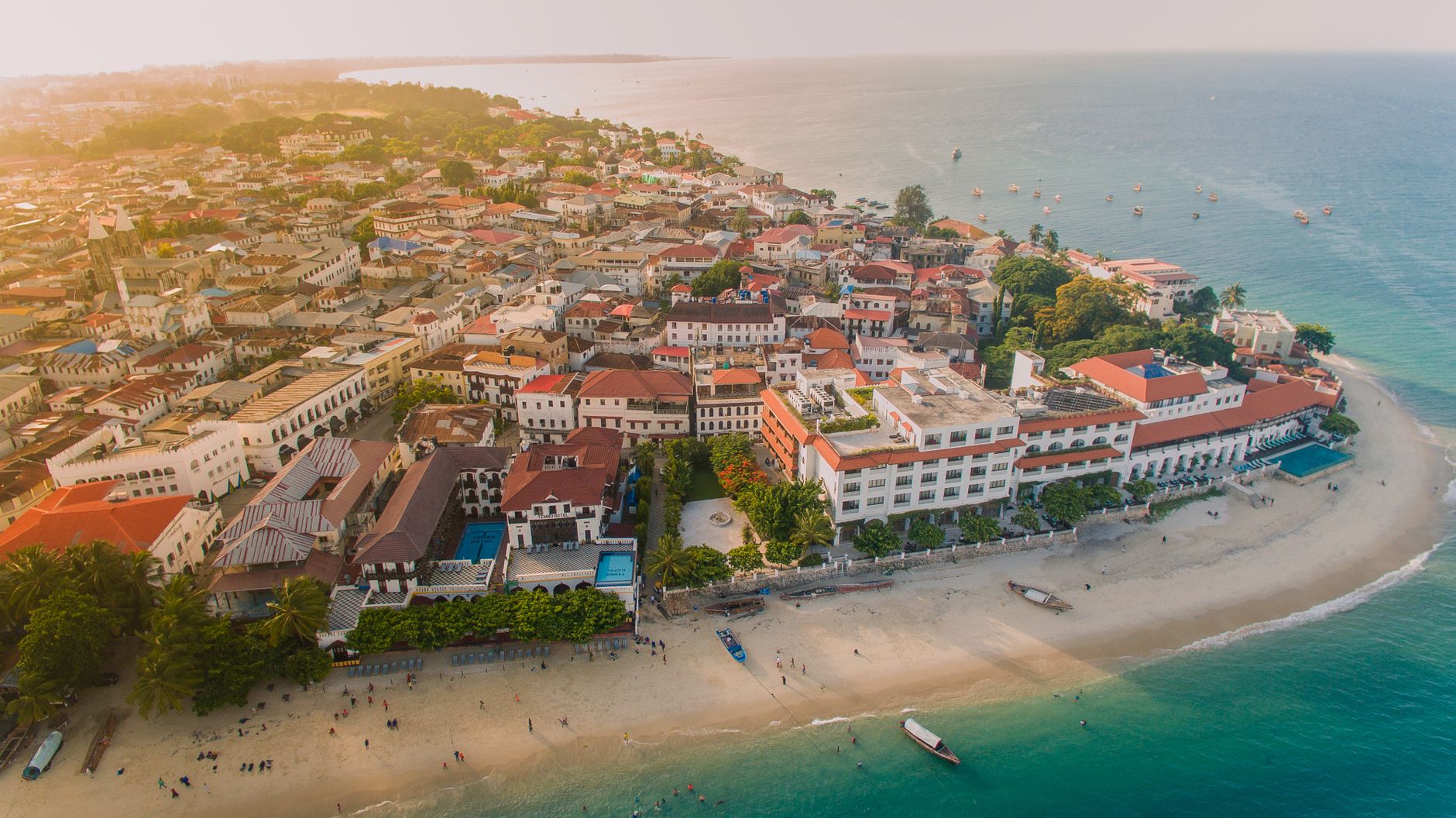

Zanzibar isn't just a beach destination — it's a living, breathing archive of human history wrapped in turquoise waters and fragrant spice breezes. This UNESCO-listed island has captivated travelers for centuries, and 2026 is your year to experience its magic. Whether you're wandering the labyrinthine alleyways of Stone Town, watching traditional dhows silhouette against the sunset at Nungwi, or diving pristine coral reefs, Zanzibar delivers experiences that linger long after you've returned home. This comprehensive Zanzibar travel guide 2026 covers everything you need to plan an unforgettable trip — from visa logistics and the best time to visit, to authentic local restaurants, transport options, and how to make the most of your budget. We'll walk you through the island's best cultural sites, beaches, and water activities while sharing real traveler insights from people who've recently explored this pearl of the Indian Ocean.
When to Visit Zanzibar: Best Seasons in 2026
Timing your Zanzibar trip perfectly can make the difference between a magical experience and a frustrating one. The island enjoys two main dry seasons: June through October (cool and windy) and December through February (warm and dry). These are peak travel times when you'll find the calmest seas, clearest skies, and best conditions for diving and snorkeling. June–October is ideal if you prefer cooler temperatures (75–82°F) and lower humidity, making it perfect for exploring Stone Town without melting. December–February brings warmer weather (80–88°F) and attracts families on school holidays. As Emma Rodriguez, a beach traveler on wondr, shared: "December in Zanzibar felt like stepping into paradise — warm water, zero rain, and the island wasn't as crowded as I expected." The shoulder months of March–May and November see higher rainfall but fewer tourists and lower accommodation prices — great if you're budget-conscious and don't mind occasional showers. Avoid April–May if possible; it's the long rainy season when many guesthouses close and water activities become unreliable. For your Zanzibar travel guide 2026 planning, book your accommodation 2–3 months ahead during peak season to secure the best rates and locations.
Getting to Zanzibar: Flights, Ferries & Ground Transport
Most international visitors fly into Zanzibar's Stone Town Airport (ZNZ), which receives direct flights from major African hubs and European cities. Flight times from Dar es Salaam (Tanzania's mainland hub) are just 20 minutes, costing $50–$100 one-way. From Kenya, Nairobi flights run 3–4 hours for $120–$250. European connections typically involve stops in Addis Ababa or Doha. [Book flights to Zanzibar](/book/flights-to/zanzibar) 4–6 weeks in advance to secure the best fares; expect $600–$1,200 from Europe in peak season. Once you land, airport transfers cost $15–$25 by shared minibus or $30–$40 for a private car to Stone Town. The ferry option from Dar es Salaam's mainland port takes 1–2 hours on fast ferries ($30–$50) or 4–5 hours on slower ferries ($15–$20). Within Zanzibar, hire a car with driver (around $40–$60/day) for flexibility, or use the cheap local dala-dala minibuses ($0.50–$2 per ride) if you're comfortable with crowded, colorful chaos. Motorcycles/scooters are available for $20–$30/day if you're confident riding on left-hand roads. For most first-time visitors, we recommend car hire for 2–3 days to reach Nungwi or Kizimkazi, then rely on local taxis and walking within Stone Town.
Exploring Stone Town: UNESCO Heritage & Hidden Alleyways
Stone Town is Zanzibar's living heart — a sprawling UNESCO World Heritage Site where Arab, Persian, Indian, and European influences collide in a maze of narrow streets, ornate doors, and bustling spice markets. Plan to spend at least 2–3 days wandering here. Start at Forodhani Gardens on the waterfront, where fishing boats dock and street food stalls come alive at sunset (fresh grilled fish, octopus, and urojo sold for $3–$8). The gardens offer free entry and perfect sunset views over the harbor. Next, explore the Arab Fort (Ngome Kongwe), an imposing red stone fortress built in 1698. Entry is $5, and the fort hosts live concerts and cultural performances most evenings. Wander through Jaws of Death Alley (a narrow passage said to have been used for executions — perhaps apocryphal, but atmospheric), and duck into the Spice Souk, where vendors hawk cloves, cardamom, cinnamon, and nutmeg. The scents are intoxicating; prices are around $2–$5 per small bag. Don't miss the House of Wonders (Beit al-Ajaib), an ornate palace from 1883 now housing a museum of Swahili culture ($5 entry). For authentic dining, eat at Uroa Seafood Restaurant (mains $8–$15) on the waterfront, or try Blue Dhow Restaurant for upmarket Swahili cuisine ($15–$25 per plate). As Andrew Foster, a culture-focused traveler on wondr, noted: "Stone Town's alleys feel like stepping back 300 years. Get lost on purpose — that's where you find the real Zanzibar." Book a guided walking tour ($15–$25 per person, 2–3 hours) through your hotel to unlock stories and history you'd miss alone.
Island Beaches & Water Activities: Diving, Snorkeling & Dolphins
Zanzibar's beaches are world-class, but each has a distinct vibe. Nungwi Beach on the northern tip is the most famous — powdery white sand, calm turquoise water, and spectacular sunset views from the cliffs. Accommodation ranges from budget ($20–$40/night) to luxury ($150+/night). Kendwa Beach nearby is slightly quieter and has an excellent nightlife scene with beach bars and clubs (particularly lively on weekends). Paje Beach on the east coast is perfect for kitesurfing and attracts a younger, more adventurous crowd. Matemwe Beach is quieter and ideal for couples; it's less developed but feels more authentic. The southern beaches at Kizimkazi are best for dolphin watching — morning boat tours (6:00–9:00 AM) cost $40–$60 per person and have excellent odds of spotting spinner dolphins. As Michael Thompson, an adventure traveler on wondr, shared: "The dolphin tour at Kizimkazi was the highlight of my trip — seeing them leap was magical." For diving and snorkeling, the coral reefs surrounding Zanzibar are extraordinary. Popular dive sites include Mbuyuni Reef, Leven Bank, and Pemba Channel (famous for pelagic sharks and rays). Most operators charge $50–$80 per single dive or $400–$500 for PADI Open Water certification courses. Snorkeling is cheaper ($30–$50 per half-day trip) and equally rewarding; even from the beach at Nungwi or Matemwe, you'll spot colorful fish, rays, and coral. Reliable operators include Zanzibar Watersports and One Ocean Diving. The best visibility and calmest seas run June–October, making this your ideal window in the Zanzibar travel guide 2026.
Spice Farm Tours & Rural Zanzibar: Authentic Experiences
Zanzibar was historically the world's clove capital, and visiting a spice farm is essential to understanding the island's economy and culture. Most farms offer 2–3 hour guided tours ($20–$30 per person, often including lunch and tropical fruit tastings) from Stone Town. You'll walk through plantations of cloves, cinnamon, nutmeg, vanilla, and cardamom while guides explain harvesting techniques and the spice trade's colonial history. Spice Farm Zanzibar and Zanzibar Spice Tours are well-established operators with English-speaking guides. Tours typically culminate in a local lunch cooked with farm produce — perhaps urojo (a savory soup), zanzibar pizza (a thin crepe with meat/egg fillings, $2–$4), or coconut rice. Beyond spice farms, venture to Jozani Forest on the south side (entry $5–$8), where you'll spot red colobus monkeys endemic to Zanzibar in their natural habitat. The forest has boardwalks and a mangrove canoe experience ($10–$15 extra) that's genuinely memorable. For a deeper rural experience, hire a driver to visit small fishing villages like Fumba on the west coast, where you can watch traditional wooden dhow boats being hand-built and enjoy lunch cooked by fishermen. As Rachel Green, a cultural traveler on wondr, observed: "The spice farm tour opened my eyes to how Zanzibar's history shaped the whole island. Our guide's family had worked those farms for generations." These experiences cost little but offer immense cultural depth.
Where to Stay: Hotels, Guesthouses & Budget Accommodation
Zanzibar offers lodging for every budget. In Stone Town, mid-range options include Emerson Spice Hotel ($80–$130/night), a beautifully restored merchant house with rooftop views, and Warere's Place ($50–$80/night), a charming guesthouse with personality. Budget travelers love Stone Town Hostel ($15–$25 dorm beds, $40–$60 private rooms), which offers community vibes and helpful staff. For luxury, Serena Inn ($200–$350/night) is iconic — a restored palace with Swahili architecture and an excellent restaurant. Beach accommodation clusters around Nungwi (north), Kendwa (north), Paje (east), and Matemwe (northeast). At Nungwi, Ras Nungwi Beach Hotel ($60–$100/night) offers great value with beachfront access and a laid-back atmosphere. Budget beachside spots run $20–$40/night for basic but clean rooms. Luxury resorts like Zanzibar Serena Club ($250–$500/night) provide all-inclusive experiences with water sports and gourmet dining. For the best deals and latest reviews, [Find hotels in Zanzibar](/book/hotels-in/zanzibar) to compare availability, check guest photos, and read verified reviews before booking. We recommend staying 2–3 nights in Stone Town for culture, then 3–4 nights at a beach location. Off-season (March–May, November) prices drop 30–40%, making budget travel more accessible. Many guesthouses offer multi-night discounts — don't hesitate to negotiate with smaller properties.
Find Travel Companions for Zanzibar
Traveling solo to Zanzibar? Right now, 39 travelers on wondr are looking for companions to explore Zanzibar together. Whether you're seeking a diving buddy, someone to split accommodation costs, or a friend to wander Stone Town's alleys with, wondr connects you with like-minded explorers heading to the same destination at the same time. Solo travelers often find that sharing the experience — whether it's booking a boat tour, renting a car, or navigating cultural experiences — enhances the journey while reducing costs. Joining a travel companion means splitting expensive activities like spice farm tours ($20–$30 per person instead of hiring a private guide), car rentals ($40–$60/day split between travelers), or boat excursions. Beyond logistics, having a travel buddy transforms Zanzibar. Watching the sunset from Nungwi cliffs, swimming with dolphins at Kizimkazi, or getting delightfully lost in Stone Town's markets feels richer when you're sharing the moment with someone. As Yuki Tanaka, a social traveler on wondr, said: "Finding companions on wondr turned my solo trip into an adventure with new friends. We explored together, shared meals, and still stay in touch." [Find your Zanzibar travel companions on wondr](/find-companions/zanzibar) — it takes two minutes to create a profile and start connecting with travelers heading to the island in 2026.
Practical Tips: Visas, Currency, Safety & Local Customs
Visas & Entry: Most Western passport holders (EU, US, Canada, Australia) receive a free 90-day tourist visa on arrival at Zanzibar Airport — no pre-application needed. If your passport is non-standard, check with your nearest Tanzanian embassy. Ensure your passport is valid for at least 6 months beyond your travel dates. Currency & Money: Tanzania's currency is the Tanzanian Shilling (TZS); 1 USD = approximately 2,500–2,600 TZS (rates fluctuate). ATMs in Stone Town and Nungwi dispense shillings easily (around $2–$3 fee per withdrawal). Exchange rates at banks are better than street vendors. Credit cards work at larger hotels and restaurants but carry a 3–5% surcharge; budget accommodations and local eateries are cash-only. Prices throughout this Zanzibar travel guide 2026 are in USD for clarity. Safety: Zanzibar is generally safer than mainland Tanzania. Petty theft occurs in crowded Stone Town markets, so secure valuables and avoid flashing expensive cameras or jewelry. Avoid walking Stone Town's alleys alone at night; use taxis or organized tours instead. Beach areas and resort zones are very safe. Don't leave belongings unattended on beaches. Local Customs: Zanzibar is Muslim-majority (95%+) but tourism-friendly. Dress respectfully — cover shoulders and knees in Stone Town and rural areas; bikinis are acceptable only at beaches. Remove shoes before entering mosques. Greet people with "Habari" (hello); Tanzanians appreciate effort in Swahili. Tipping is appreciated but not obligatory; 5–10% in restaurants is standard. Health: Malaria is present; take prophylaxis and use insect repellent. Yellow fever vaccination is recommended. Tap water isn't potable; drink bottled water ($0.50–$1 per liter). Travel insurance covering medical evacuation is highly recommended. Connectivity: Mobile networks (Vodacom, Airtel, Tigo) offer reliable 4G coverage and affordable data plans ($5–$15/GB). A local SIM card costs $1–$2, with top-ups at any kiosk.
💡 Snelle tips
- →Book your Zanzibar trip during June–October or December–February for the best weather, clearest diving conditions, and calmest seas for water activities.
- →Hire a car and driver ($40–$60/day) for your first few days to reach distant beaches and spice farms, then rely on walking and taxis in Stone Town.
- →Visit the Spice Farm tours ($20–$30) early in your trip to understand Zanzibar's history and culture; most include lunch and tropical fruit tastings.
- →Snorkel or dive the coral reefs June–October when visibility peaks; budget $50–$80 per dive or $30–$50 for snorkeling half-day trips.
- →Watch the sunset from Nungwi Beach cliffs or Kendwa Beach; these daily performances are free and unforgettable — arrive 30 minutes early to secure a spot.
- →Eat street food at Forodhani Gardens waterfront at sunset (fresh grilled seafood for $3–$8) for authentic flavors and unbeatable atmosphere.
- →Take a morning dolphin-watching boat tour from Kizimkazi ($40–$60) — spinner dolphins are most active at dawn, and odds of sightings are excellent.
- →Book hotels and activities 2–3 months in advance during peak season (June–October and December–February) to secure availability and better rates.
- →Bargain politely in markets and with informal guides, but not aggressively — Tanzanians are warm but respect goes both ways.

Share this deal
Klaar om te bezoeken? Zanzibar?
Bekijk hotels, activiteiten en aanbiedingen — of laat AI je volledige reisplan maken.