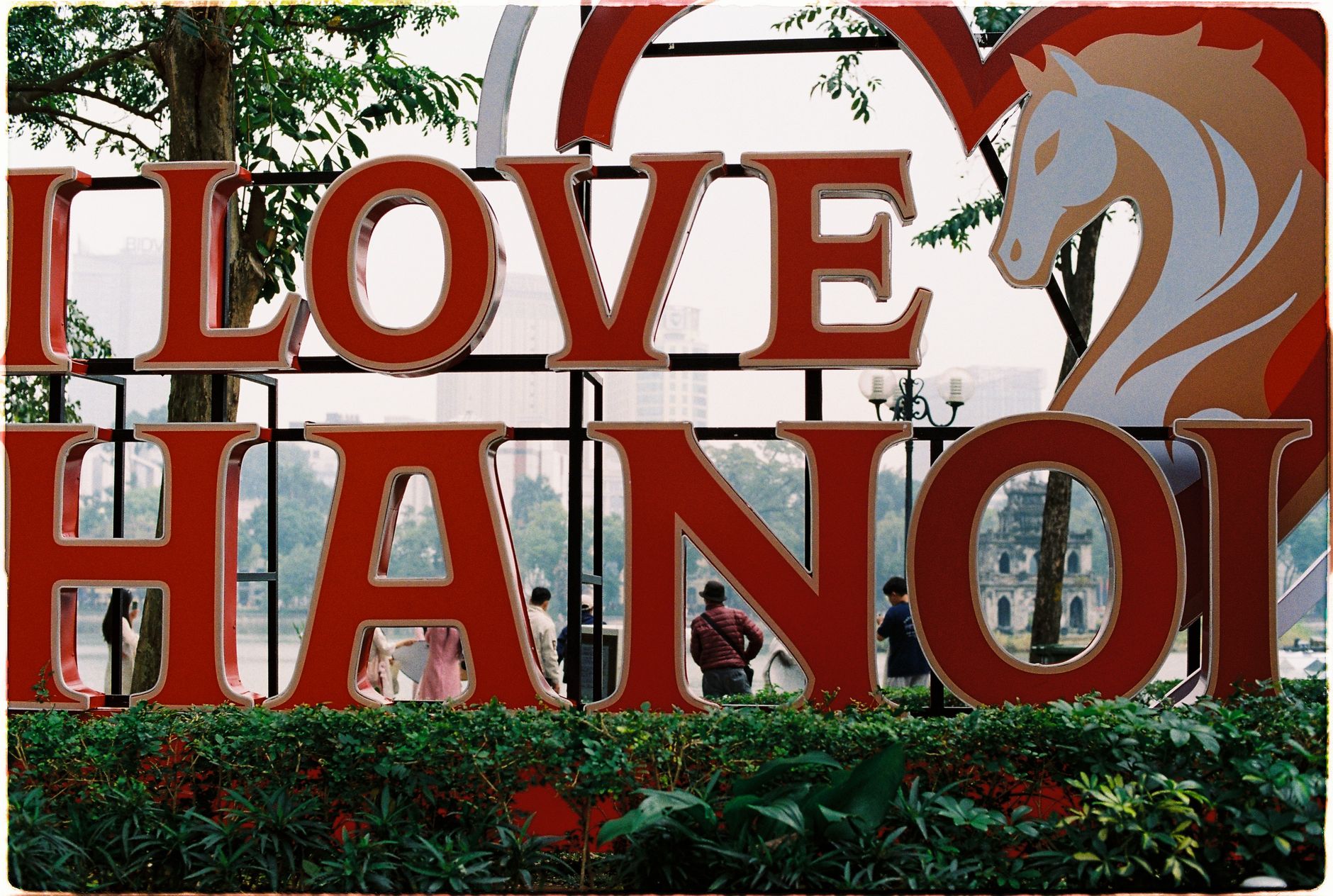

Hanoi isn't just a destination—it's a sensory experience that grabs you by the collar and doesn't let go. Ancient temples sit peacefully beside bustling markets where vendors have perfected their craft over generations. Tree-lined boulevards echo with the hum of thousands of motorbikes, and around every corner, someone's cooking something that smells impossibly delicious. But here's the thing: where you stay in Hanoi completely transforms your experience. The best neighborhoods to stay in Hanoi aren't all created equal. Some put you in the heart of the chaos, fork in hand, discovering hidden pho stalls at midnight. Others offer tree-shaded calm with easy access to temples and museums. Others blend both—vibrant by day, peaceful by night. In this guide, we'll walk you through every major neighborhood worth considering, break down the real costs (we're talking actual USD prices, not guidebook fantasies), and help you find your perfect home base in this incredible city. Whether you're a street food fanatic, a culture enthusiast, or someone seeking peaceful mornings before diving into the madness, there's a neighborhood in Hanoi waiting for you.
The Old Quarter: Where the Chaos Meets Soul
The Old Quarter (Hoan Kiem District, often called "36 Streets") is the spiritual heart of Hanoi—and arguably the best place to stay if you want to truly live the city, not just visit it. This is where 1000+ years of history collide with modern Vietnam in the most beautiful, confusing, delicious way possible.
Every street here specializes in something: Silver Street (Hang Bac) for jewelry, Silk Street (Hang Gai) for textiles, Chicken Street (Hang Ga) for poultry (yes, really). You'll find yourself wandering narrow alleys barely wider than your shoulders, where family-run restaurants have occupied the same spot for decades, where the smell of grilling meat and simmering broths is basically currency.
As Emma Rodriguez, a general traveler on wondr, says: "Staying in the Old Quarter means waking up to the sound of Hanoi actually living. You're not observing the city—you're inside it." She's right. Your breakfast might be pho from a 30-seat hole-in-the-wall, your lunch street-side bun cha from a vendor who's been slinging it since 6 AM, your dinner egg coffee and dessert at a café that's been there since the French left.
Budget guesthouses here run $8–$15/night for basic fan rooms, $15–$25/night for AC. Mid-range hotels (actual beds that don't sag, hot water that comes immediately) are $25–$45/night. The trade-off: noise. Hanoi's Old Quarter is loud—motorbikes, vendors, thumping music from bars. But that's the point. This is Hanoi without the filter.
The area can feel touristy in pockets (particularly around Hoan Kiem Lake's eastern shore), but venture two streets deeper and you'll find locals playing cards, kids doing homework, grandmothers selling vegetables from baskets. Stay near Hang Dao or Hang Bong streets for authentic vibes; stay near Tran Hung Dao if you want easier access to bars and restaurants catering to foreigners.
For Old Quarter exploration, the Old Quarter walking tour is non-negotiable—grab a local guide (around $10–$15 for 2 hours) who knows where the real food is hiding.
The French Quarter: Elegance Meets Affordability
If the Old Quarter is Hanoi's beating heart, the French Quarter (around Ba Trieu, Trang Tien, and Hoan Kiem streets) is its more refined, photogenic cousin. Built during the colonial era, this neighborhood features tree-lined boulevards, elegant architecture, and a pace slightly gentler than the Old Quarter—though still unmistakably Hanoi.
The French Quarter is where foodies and culture lovers often find their sweet spot. It's where you'll find the Opera House, the National Museum, and countless excellent restaurants. The neighborhood has gentrified significantly over the past decade, which means better infrastructure, more upscale accommodations, and easier navigation for first-time travelers, but it also means slightly higher prices.
Hotels here range from $20–$35/night (budget chains) to $50–$100/night (mid-range boutiques). Guesthouses are $12–$20/night. The neighborhood feels safer and cleaner than the Old Quarter, streets are wider, and there's actual sidewalk space—a luxury in Hanoi.
This area is perfect if you want proximity to culture. Hoan Kiem Lake and its beautiful Ngoc Son Temple are steps away. The Ho Chi Minh Mausoleum complex (free entry, opens 8–11 AM, closed Mondays) is a short $1 taxi ride away. Restaurants like Bun Cha Ta (authentic bun cha for $2–$3 per bowl) and soft-serve ice cream from Kem Trang Tien (a local institution since 1958) put you in touch with real Hanoi food culture while maintaining a comfortable base.
As Andrew Foster, a culture-focused traveler on wondr, shared: "The French Quarter gave me street food and temples without requiring earplugs to sleep. I could wander all day, then actually rest at night." It's a fair assessment—the French Quarter offers balance that appeals to travelers seeking both authenticity and comfort.
The neighborhood's main draw is walkability. Everything interesting in central Hanoi is within 20–30 minutes on foot, or a $0.50–$1 taxi ride.
Tay Ho: Peaceful Lakeside Living Away From It All
Tay Ho (West Lake), on Hanoi's northwestern edge, is where locals go when they need to breathe. This neighborhood feels like a different city entirely—peaceful, green, and completely removed from the Old Quarter's intensity. Think tree-shaded streets, cafés overlooking still water, and a pace that lets you actually think.
Tay Ho attracts travelers who've already done Hanoi 2-3 times or who simply need calm from day one. It's the best neighborhood to stay in Hanoi if you're the type who values serenity over maximum access to chaos. The trade-off is obvious: you'll spend more time (and money) getting to the Old Quarter and major attractions.
Accommodations here are generally $15–$30/night (budget options), $35–$65/night (mid-range). Several small hotels and homestays cluster around the lake's eastern shore. The neighborhood has few tourists, which means locals actually live here, work here, socialize here—it's a window into how Hanoi works when you're not in the thick of it.
Tay Ho is where you'll find exceptional Vietnamese cafés. Spend an afternoon at Café Thúc or Café Cộng Cà Phê (both $1–$2 for excellent coffee), sitting lakeside, watching locals jog and exercise on the promenade. The neighborhood also has surprisingly excellent restaurants—Cha Cá La Vong's sister location here serves the best cha ca (a Hanoi specialty—fish simmered in turmeric and dill) you'll find outside the Old Quarter.
The lake itself—West Lake—is 3x larger than Hoan Kiem Lake and far less touristy. Rent a bicycle ($1–$2/day from your hotel) and do a circuit around it. You'll pass fishing villages, local temples, and stretches of absolute quiet that feel impossible in Hanoi.
Getting downtown takes 15–20 minutes by taxi ($2–$3) or motorbike taxi (grab a Grab app ride for $0.70–$1.50). If you're staying 4+ days and want one quiet day, Tay Ho is worth the investment.
Ba Dinh: Culture & Museums With Local Character
Ba Dinh district, northwest of the Old Quarter, is home to some of Hanoi's most important cultural sites, including the Ho Chi Minh Mausoleum complex—and it's significantly less touristy than neighborhoods closer to the center. This is where you stay if you're serious about understanding Hanoi's modern history.
The area around the Mausoleum complex is green, relatively calm, and filled with Vietnamese families rather than tour groups (well, fewer tour groups). Hotels here run $18–$35/night (budget), $40–$75/night (mid-range). The neighborhood lacks the restaurant density of the Old Quarter, but what exists is authentic and cheap—you're eating where local families eat, not where tourists are expected to spend.
The Ho Chi Minh Mausoleum is an absolute must (entry is free, but arrive early—it opens 8–11 AM and closes 1–2 PM, then reopens 2–4 PM; closed Mondays and Fridays). You'll see Ho Chi Minh's preserved body in a climate-controlled glass case—it's deeply moving and completely unique. Nearby, the Ho Chi Minh Museum provides context on his life, the revolution, and Vietnam's journey to independence. The whole complex takes 2–3 hours to explore thoroughly.
Stay in Ba Dinh if you want cultural immersion without sensory overload. It's close enough to the Old Quarter (15 minutes by taxi, $1–$2) that you can still experience street food chaos, but far enough that you retreat to quiet at night.
As Michael Thompson, a culture-focused traveler on wondr, reflects: "Ba Dinh let me understand Ho Chi Minh's story while staying somewhere real Hanoians actually live. No Instagram queues, no obvious tourist traps." That's the Ba Dinh advantage—authenticity without having to surrender comfort.
Hoan Kiem: Central, Accessible, Tourist-Friendly
Hoan Kiem district, centered around the iconic lake of the same name, is Hanoi's most tourist-friendly neighborhood—and sometimes that's exactly what you need, especially on a first visit.
Hoan Kiem Lake itself is stunning. Early morning, before 8 AM, locals gather for tai chi, jogging, and meditation. A small temple (Ngoc Son Temple, accessible by a red wooden bridge) sits on an island in the lake. The water, while not pristine, is beautiful at sunrise, and the morning energy is genuine and peaceful—not performative.
Staying directly around the lake means accommodations from $12–$25/night (budget guesthouses) to $50–$120/night (mid-range hotels with views). The area is incredibly walkable—restaurants, museums, temples, and shops are all within 10 minutes' walk. The lake provides a north-south-east-west compass; you can't get lost.
The downside: it's where most tourists stay, so while authentic, it's also familiar. Restaurants charge tourist prices ($4–$8 for lunch vs. $1–$2 in the Old Quarter). Street food vendors here know the English words for "spring roll" and "pho." The lake area can feel commercialized.
But here's the thing: Hoan Kiem is genuinely convenient. [Find hotels in Hanoi](/book/hotels-in/hanoi) around the lake and you'll have zero navigational stress. Coffee shops are abundant, ATMs are everywhere, English speakers are common. If you're visiting Hanoi for 2–3 days and want to maximize rest and minimize logistical headaches, Hoan Kiem is defensible.
Jessica Walsh, a general traveler on wondr, notes: "The lake let me find my rhythm quickly. I could navigate confidently, eat well, and still feel like I'd discovered things on my own." That balance—guided enough to feel safe, open enough to feel authentic—is what makes Hoan Kiem work.
Find Travel Companions for Hanoi
Planning a trip to Hanoi but traveling solo? You're not alone—literally. Right now, 39 travelers on wondr are looking for companions to explore Hanoi together. Whether you're seeking someone to share street food discoveries, split accommodation costs, or simply have company during temple visits, wondr makes connecting with fellow travelers effortless.
Finding the right travel companion transforms a trip. Shared meals become adventures. Cost-splitting makes budget travel genuinely feasible. Having someone to discuss what you're experiencing in real-time deepens the entire experience.
Wondr's companion finder lets you filter by travel style (are they foodies? Culture buffs? Budget travelers? Nightlife seekers?), dates, and interests. Marcus Johnson, a budget traveler on wondr, shared his experience: "Finding travel companions through wondr meant I could afford a private room instead of a dorm—we split a $30 hotel, so it was $15 each. Game-changer."
Whether you're staying in the chaotic Old Quarter (where solo travelers often find roommates at guesthouses anyway) or the quiet Tay Ho (where having a companion makes the distance from downtown feel less isolating), wondr helps you find your people.
[Find travel companions for Hanoi on wondr](/find-companions/hanoi) and search by your travel dates and neighborhood preference. The platform shows you who else is going, what they're interested in, and direct messaging makes coordination simple. Right now, someone in that pool of 39 travelers is probably looking for exactly what you're offering—company, shared costs, and shared memories.
Practical Guide: Getting Around, Eating Well & Staying Safe
Currency & Costs: Vietnam's currency is the Vietnamese Dong (VND). Exchange rates hover around 24,000–25,000 VND to $1 USD. ATMs are everywhere in central Hanoi; withdraw cash (credit card fees average 2–3%). A meal from a street vendor costs $0.50–$2. A beer costs $0.50–$1.50. Budget $15–$25/day for food if you're eating street food exclusively; $40–$60/day if you're mixing street food with mid-range restaurants.
Getting There: [Book flights to Hanoi](/book/flights-to/hanoi) via Noi Bai International Airport (HAN), about 25 km northeast of the city center. A taxi from the airport costs $15–$20 (use Grab app for cheaper rates, around $5–$8). Buses cost $0.50–$1. The journey takes 45–90 minutes depending on traffic.
Visas: Most nationalities require a Vietnamese visa. You can obtain an e-visa online ($25, takes 3 business days) or get a 90-day visa on arrival ($15–$25, requires photos and paperwork). Processing usually takes 2–3 business days.
Transport Within Hanoi: Taxis and Grab are your friends. Grab rides cost $0.50–$3 depending on distance. Taxis are metered; flag a Hanoi Taxi or Vinasun (both reputable). Buses exist but routes can be confusing; grab a local SIM ($5–$10 for unlimited data) and stick with Grab. Motorbike rentals ($5–$8/day) are possible if you're comfortable riding in Hanoi traffic—which is genuinely chaotic. Walking is your best bet in neighborhoods like the Old Quarter and French Quarter.
Best Season: October–April is ideal (cool, dry, 15–25°C / 59–77°F). Avoid May–September (hot, humid, frequent rain).
Food Safety: Eat where locals eat. If a stall has a line of Vietnamese people, it's safe and good. Avoid ice in drinks (stick to bottled water), and be cautious with raw vegetables. Your stomach will adjust within 2–3 days.
Safety: Hanoi is genuinely safe. Petty theft happens (watch your phone and wallet on crowded buses), but violent crime against tourists is rare. Use common sense: don't walk alone 2 AM through unfamiliar alleys, don't flash expensive jewelry, keep valuables in your hotel safe.
Best Street Foods to Try: Pho (noodle soup, $1–$2), bun cha (grilled pork with noodles, $1.50–$3), egg coffee (egg yolk whipped with coffee, a Hanoi invention, $1–$2), banh mi (Vietnamese sandwich, $0.80–$2), spring rolls/cha gio ($0.50–$1.50 for 2–3).
As Yuki Tanaka, a city-break traveler on wondr, says: "The street food in Hanoi isn't just good—it's the entire culture in edible form. Don't eat in restaurants for your first week. Eat where the locals eat."
💡 Szybkie porady
- →Book accommodations 2–4 weeks in advance during October–April (peak season). Budget options fill up, and last-minute bookings mean less choice and potentially higher prices.
- →Download the Grab app before arrival. It works exactly like Uber and is far cheaper and safer than hailing random taxis. Most drivers speak basic English.
- →Learn 3 Vietnamese phrases: 'Xin chào' (hello), 'Cảm ơn' (thank you), 'Bao nhiêu tiền?' (how much?). Locals deeply appreciate effort; prices often drop for polite foreigners.
- →Visit Hoan Kiem Lake at sunrise (5:30–6:30 AM) for the real experience—tai chi practitioners, joggers, locals meditating. Afternoon is crowded tourists.
- →Street food vendors typically open 6–10 AM for breakfast, close noon, reopen 4–9 PM. Miss these windows and you miss the authentic experience.
- →Get a local SIM card immediately (Viettel or Vinaphone, $5–$10 for unlimited data + calls). Google Maps works with data; navigation becomes instant.
- →If doing a Ha Long Bay day trip (4 hours by bus, $25–$40 tour price), book through your hotel the night before. Tours are cheaper booked locally than online.
- →The best neighborhoods to stay in Hanoi aren't necessarily the cheapest—they're the ones matching your travel style. Choose calm or chaos; you can't have both in one neighborhood.

Share this deal
Gotowy na wizytę? Hanoi?
Zobacz hotele, aktywności i oferty — lub pozwól AI stworzyć pełny plan podróży.