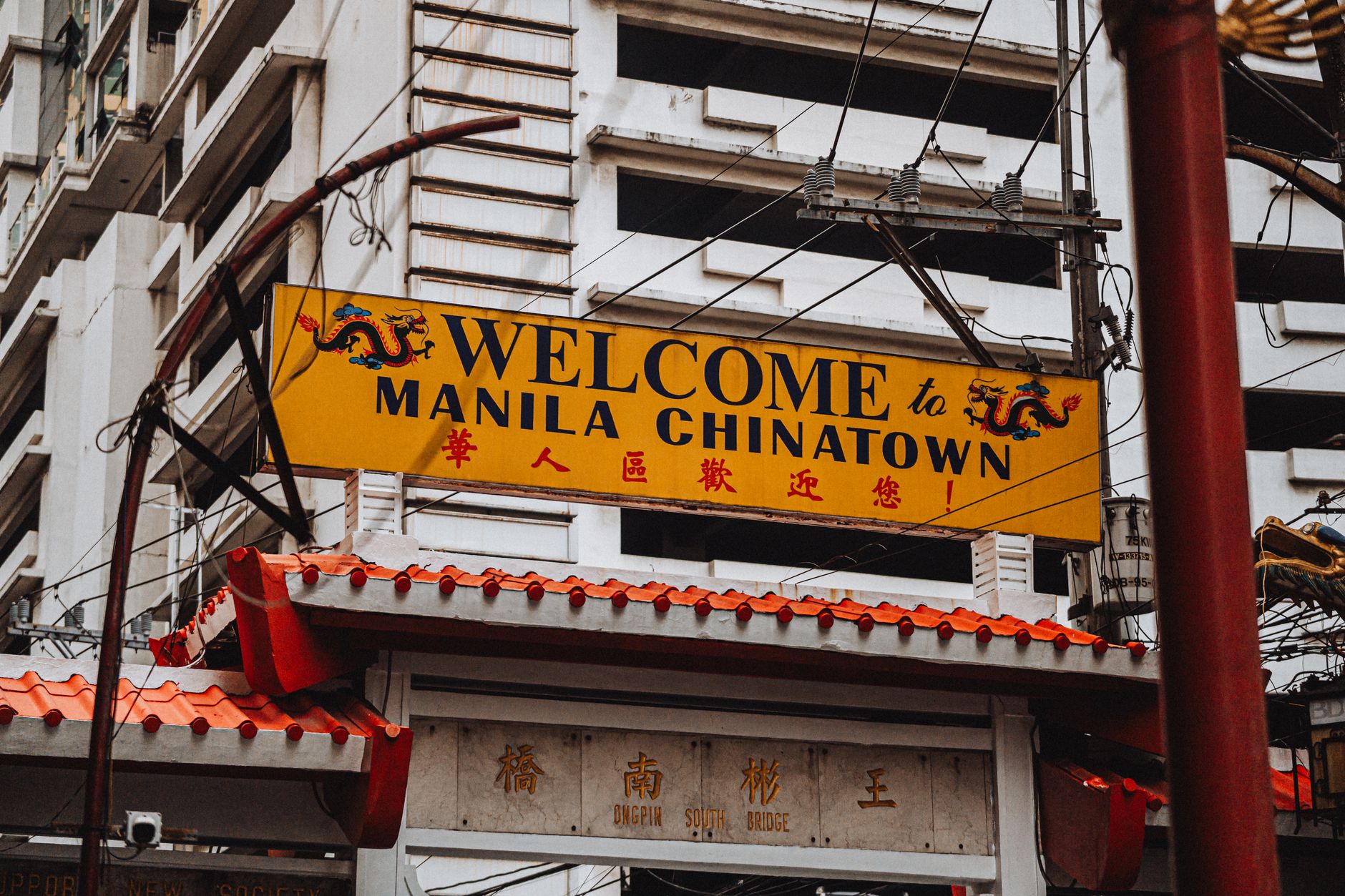

You've just landed at Ninoy Aquino International Airport (NAIA), and the tropical heat hits you like a wall as you exit the terminal. Now comes the first real decision of your Manila adventure: **how to get from airport to city center Manila** without getting lost, overpaying, or spending three hours in traffic. I've been there—sweaty, jet-lagged, overwhelmed by the organized chaos of the Philippines' capital. But here's what I learned: getting from NAIA to Manila's city center is actually straightforward once you know your options. Whether you've got a shoestring budget or want comfort, whether you're traveling solo or with friends, there's a route that works for you. This guide breaks down every realistic option for how to get from airport to city center Manila, including real prices (in USD), exact neighborhoods where you should stay, safety tips locals actually use, and the honest truth about what to expect. By the time you finish reading, you'll feel confident stepping into Manila—whether heading to Intramuros for history, Binondo for world-class street food, or Rizal Park for your first sunset in this incredible city. Manila isn't your typical tourist destination. It's chaotic, colorful, and absolutely rewarding if you know how to navigate it. Let's make sure your first move—getting to the city—sets the right tone.
The 5 Main Routes: How to Get from Airport to City Center Manila
Before diving into specifics, here's the honest reality: Manila's Ninoy Aquino International Airport (NAIA) sits about 7 kilometers south of the city center, in a chaotic area surrounded by highways. That distance sounds short, but Manila traffic is legendarily bad—a 7km journey can take 15 minutes at 2 AM or 90 minutes during rush hour (6-10 AM, 4-8 PM).
You have five realistic options for how to get from airport to city center Manila:
1. Airport taxi (fixed-rate) — $15-20 USD, 30-90 minutes depending on traffic 2. Ride-sharing (Grab app) — $8-15 USD, variable time 3. MRT/LRT (metro rail) + jeepney/taxi — $1.50-3 USD total, 45-60 minutes 4. Airport shuttle bus — $2-3 USD, 45-75 minutes 5. Private car service — $25-40 USD, guaranteed comfort but pricier
Each has trade-offs. The taxi is convenient but expensive. The metro is cheapest but requires local knowledge. Grab (the Southeast Asian Uber equivalent) splits the difference—affordable and fairly reliable, though prices surge during peak hours.
The key variable is traffic. If you arrive between 11 PM and 6 AM, any route takes 20-40 minutes. Arrive during business hours? Add 45-60 minutes to every estimate. Ask locals and they'll tell you the same truth: timing is everything in Manila.
Option 1: Airport Taxi — The Convenient Choice
The safest, most straightforward way to answer "how to get from airport to city center Manila" for first-time visitors is the official airport taxi.
Here's exactly how it works: Exit the terminal, follow signs for "Airport Taxi," and head to the official taxi counter (not street taxis—this matters). You'll pay a fixed rate of 400-500 Philippine Pesos (PHP), roughly $7-9 USD, to anywhere in the city center (Intramuros, Malate, Makati, or Ermita). This rate doesn't change based on traffic or distance within the metro area.
The counter staff will write your destination on a slip, assign you a taxi, and you're done. Journey time: 30-90 minutes depending on traffic. Your driver will likely not speak English fluently, which is why having your hotel address written in both English and Filipino (ask your hotel to provide this) is essential.
Pro tip from Marcus Johnson, a wondr budget traveler: "I always screenshot my hotel location on Google Maps and show the driver the map screen instead of trying to explain the address. Works every time, no confusion."
Cost breakdown: - Fixed taxi fare: $7-9 USD - Expected tip: $1-2 USD (optional but appreciated) - Total: $8-11 USD
This is the least stressful option if budget isn't your primary concern. You'll arrive at your hotel without navigating public transport, and there's zero ambiguity about the price. For families or travelers with heavy luggage, it's often worth the extra few dollars.
Option 2: Grab App — The Modern Budget Solution
If you're comfortable with ride-sharing apps, Grab is your answer for how to get from airport to city center Manila. Think of it as the Southeast Asian version of Uber, but more reliable in this region.
The process is dead simple: 1. Download the Grab app before you leave home (or on airport WiFi) 2. Open the app, enter your destination (e.g., "Intramuros, Manila") 3. Select GrabCar (standard service) or GrabCar Plus (slightly nicer vehicle) 4. Pay via credit card or the in-app wallet 5. Your driver arrives in 10-15 minutes
Real pricing from a recent ride: Intramuros (city center) from NAIA: 300-450 PHP ($5.50-8 USD) during off-peak hours, 600-900 PHP ($11-17 USD) during rush hour. Surge pricing is real here, just like anywhere else.
Why choose Grab? It's transparent (you see the price before confirming), you get the driver's name and vehicle info upfront, and most Grab drivers in Manila speak at least basic English. The app handles communication, so you don't need to worry about explaining directions. Plus, there's a built-in rating system—both drivers and passengers are accountable.
The catch: It doesn't always work perfectly. During peak arrival times, wait times can stretch to 20 minutes. You need mobile data or airport WiFi. And traffic still applies—you'll save money but not necessarily time.
Sarah Mitchell, an adventure traveler on wondr, found this especially useful: "Grab got me from the airport to my Binondo hotel for $6, and I could track my driver live. Way better than haggling with street taxis."
One essential tip: always use Grab's designated pickup zones at NAIA. Terminal 1 and Terminal 3 have specific areas where Grab drivers are allowed. Arrive at these zones, open the app, and you're set.
Option 3: MRT + Jeepney or Taxi — The True Budget Route
Want to know how to get from airport to city center Manila for under $3 USD? The answer is the metro system, but it requires two connections.
Here's the route: NAIA → Airport MRT station (across from Terminal 3) → ride the MRT Line 3 toward Makati/Ayala → transfer at Taft Avenue station → take LRT Line 1 toward Baclaran → exit at Carriedo station (near Intramuros) or Central Terminal station (near Rizal Park). From there, catch a jeepney or grab a final taxi to your hotel.
Sound complicated? It is—but millions of Manileños do this daily. Here's what to expect:
Step-by-step breakdown: - MRT ticket (NAIA to Taft): 50 PHP ($0.95 USD) - LRT ticket (Taft to Carriedo): 25 PHP ($0.50 USD) - Jeepney or final taxi: 50-150 PHP ($1-3 USD) - Total: $2.50-4.50 USD
Jeepneys are the iconic Philippine transport—colorful buses with bench seating and horn-honking drivers. Flag one down, shout your destination, and pay when you exit. The experience is incredibly authentic, though it's slower than other options and can be chaotic for first-timers.
Timeline: Budget 50-70 minutes total, including waits between transfers. Add 30 minutes if you arrive during rush hour.
The honest truth about this option: It's genuinely cheap, but requires patience and local knowledge. You'll navigate crowded platforms, possibly miss which jeepney to board, and there's a learning curve to the whole system. I'd only recommend this if you're comfortable with public transport chaos, or if you're traveling with a local friend.
For first-time visitors, the MRT part is doable, but I'd skip the jeepney and take a regular taxi from the LRT station for the final leg—maybe spending $7-8 total instead of $2.50. Your sanity is worth a few extra dollars.
Option 4: Airport Shuttle Bus — The Slow but Social Choice
Several tour operators and hostels offer airport shuttle buses that run scheduled routes between NAIA and the city center. It's not the fastest way to answer "how to get from airport to city center Manila," but it's social and genuinely cheap.
Companies like Ceres Bus and DLTB (Dagupan Laoag Transit Bus) operate shuttle services from NAIA to key city center areas like Malate, Ermita, and Intramuros. Fares run 100-200 PHP ($2-4 USD).
What to expect: You board at the airport, the bus fills up with other travelers, and it makes 3-4 stops around the city center before reaching yours. Journey time: 45-75 minutes depending on traffic and stops. Think of it like a local experience—you'll hear Tagalog announcements, watch Manila blur past the windows, and meet other travelers.
The catch? Schedules are inconsistent. Buses run every 30-60 minutes during the day but might be less frequent late at night. And shuttle buses make multiple stops, so you're not getting direct service.
Best for: Budget travelers on flexible schedules, backpackers who don't mind a longer journey, and anyone wanting the authentic Manila vibe immediately.
Where to find them: Head to the airport information desk and ask for current shuttle bus schedules. Services change seasonally, so what worked last year might not exist today.
Where to Stay in Manila's City Center — And How These Routes Get You There
Understanding where you're headed makes choosing your transport route smarter. Manila's "city center" isn't one place—it's several overlapping neighborhoods, each with different vibes.
Intramuros — The historic walled city, dating back to Spanish colonial times. Streets are narrow, packed with Spanish architecture, restaurants, and the iconic San Agustín Church. This is where most first-time visitors want to stay because it's picturesque and walkable. Getting here: Grab to "Intramuros, Manila" or LRT to Carriedo station + jeepney.
Rizal Park area — Green, spacious, perfect for a first morning in Manila. The park itself is free, massive, and includes museums, gardens, and the Jose Rizal monument. Hotels here are mid-range. Getting here: Any route works; ask your driver for "Rizal Park" or "Taft Avenue."
Malate — Touristy beach area (though the Manila Bay isn't swimmable), with backpacker hostels, restaurants, and nightlife. Great if you're on a shoestring budget or want to meet other travelers. Getting here: Airport taxi or Grab to "Malate, Manila."
Makati — The upscale business district with high-end hotels and restaurants. Only choose this if budget isn't a concern, and note that you'll need to commute to Intramuros or Binondo for the real Manila experience.
When you book accommodation, find hotels in Manila early so you can give your taxi or Grab driver an exact street address. Hotels with specific landmarks ("next to SM Mall," "corner of Taft and Padre Faura") are easier to navigate.
Several travelers on wondr are looking for companions to explore Manila together, and many prefer staying in central neighborhoods like Intramuros or Malate specifically because they're transit hubs—easier to meet travel buddies and explore the city.
Find Travel Companions for Manila
Arriving solo? You don't have to explore Manila alone. On wondr, a thriving community of travelers is actively planning trips to Manila right now—food lovers heading to the Binondo Chinatown food crawl, city explorers keen on the Intramuros walled city, adventurers booking day trips to Taal Volcano in Tagaytay.
Finding travel companions is smart for several reasons: - Shared transport costs — Split a Grab ride or taxi with a friend and halve your expense - Shared accommodation — Many hotels offer multi-bed rooms cheaper per person - Local knowledge — Someone in the group might have been before or have local contacts - Safety and confidence — Navigating Manila feels less overwhelming with a buddy - Better experiences — Trying street food in night markets or exploring Rizal Park is more fun with company
How it works on wondr: Visit our companion finder, set Manila as your destination, select your travel dates (aim for December–May for Manila's best weather), and browse travelers heading the same time. Message a few people, chat for a few days, and if you click, you've found your Manila crew.
Emma Rodriguez, a general traveler on wondr, shares: "I found two other travelers also arriving at NAIA on the same day. We shared a Grab to Intramuros for $3 each instead of paying $8-9 individually. Plus, having company made navigating the city way less stressful."
[Find your Manila travel companions today](/find-companions/manila) and start chatting with the community. You'll be surprised how many people are looking for exactly what you are—a local guide, a food crawl buddy, or just someone to share the first-time Manila magic with.
Practical Logistics: Visa, Currency, Safety & Airport Tips
Before your flight even lands, get these logistics straight.
Visas: Most travelers get 30 days visa-free in the Philippines. Check the official Philippines tourism board for current requirements, but US, UK, Canadian, Australian, and EU citizens typically need only a passport valid for 6+ months.
Currency: The Philippine Peso (PHP). 1 USD = approximately 55-58 PHP (rates fluctuate). Exchange money at the airport (rates are fair) or withdraw from ATMs once in the city (usually better rates). Grab and most restaurants accept cards, but jeepneys and street food vendors are cash-only.
Safety: Manila has a reputation for being rough, but that's partly myth. Use common sense: Don't flash expensive cameras, phones, or jewelry. Avoid walking alone late at night in unfamiliar areas. Stick to Intramuros, Malate, and Rizal Park at night—these are patrolled and busy. Don't use street drugs. For current safety info, check the UK government travel advice for Philippines.
At the airport: NAIA isn't fancy, but it's organized. Baggage claim flows smoothly. Use the information desk to get a local SIM card (Globe or Smart) for cheap—you'll want data for Grab and navigation. Most global phones work here; check roaming costs before you arrive.
Best season for visiting: December through May. It's dry, sunny, and ideal for exploring Intramuros without sweating through your shirt. Avoid June-November (typhoon and rainy season). Peak tourist months are December and January—expect crowds and higher prices.
Book flights to Manila during the shoulder seasons (October-November or late April-May) for better deals on airfare. Getting there cheaply means more budget for food, which is honestly what Manila is about.
For more detailed logistics, check Manila on Wikipedia for historical context that'll enrich your visit.
💡 Szybkie porady
- →Download Grab before arriving—it works in airplane mode with WiFi and is your safest ride option as a first-timer.
- →Get your hotel's address written in both English and Tagalog before departure. Show it to your driver on paper or your phone, not just verbally.
- →Arrive at NAIA between 11 PM and 6 AM if possible—traffic is lightest and all transport options are fastest during these hours.
- →The official fixed-rate taxi from the counter is never a bad choice if you're tired, jet-lagged, or traveling with heavy luggage. The $7-9 is worth your peace of mind.
- →If using public transit (MRT/LRT), download the MRT app for real-time schedules and avoid traveling during 7-9 AM or 5-7 PM rush hours.
- →Exchange currency at the airport—rates are fair and you'll need PHP cash immediately for taxis, jeepneys, and street food.
- →Keep your airport baggage receipt—you might need it if luggage is delayed or for the airport tax on departure.
- →Don't haggle with street taxi drivers outside the terminal. They're not official and will overcharge. Use the airport taxi counter or Grab instead.

Share this deal
Gotowy na wizytę? Manila?
Zobacz hotele, aktywności i oferty — lub pozwól AI stworzyć pełny plan podróży.