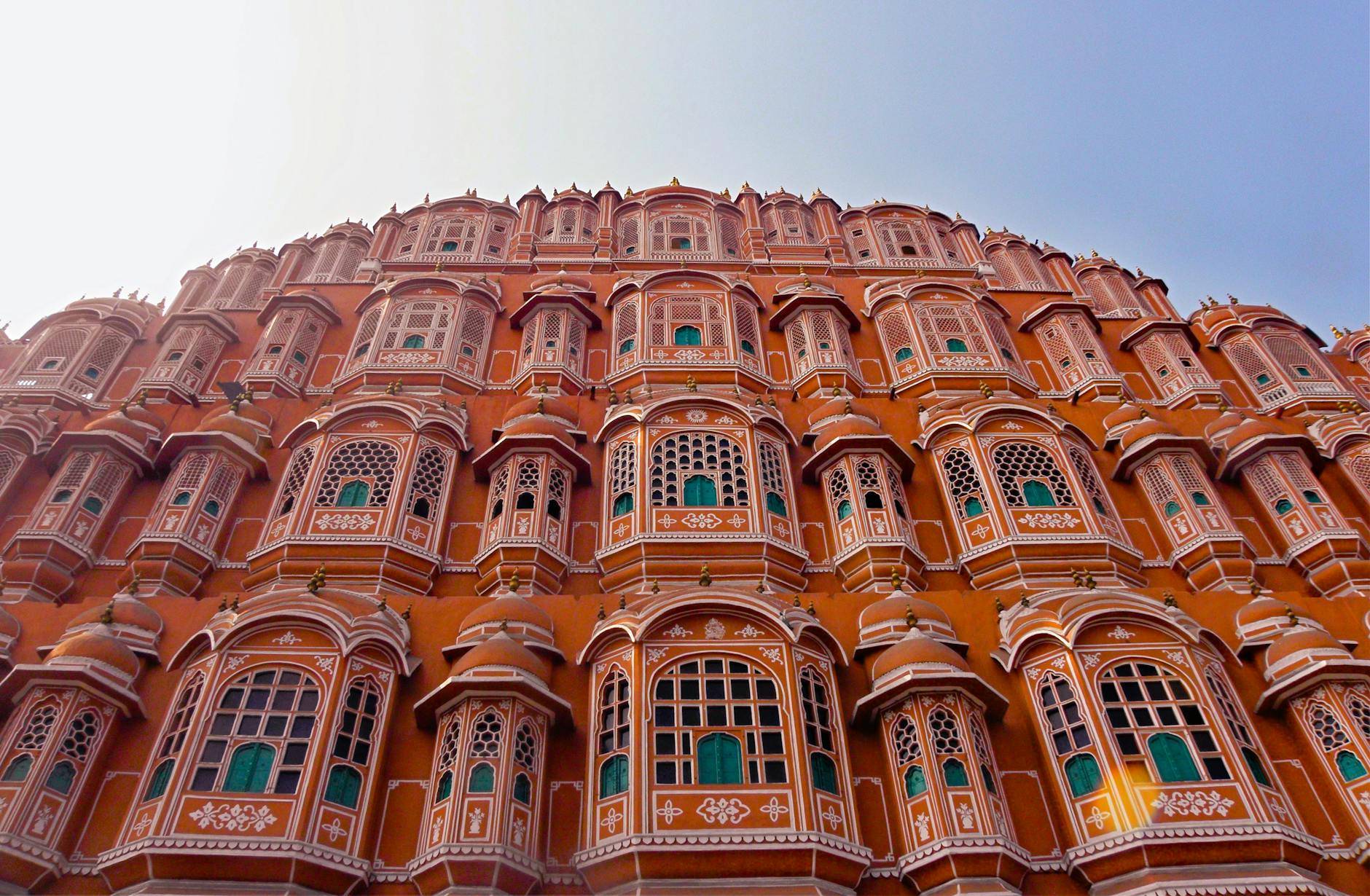

Jaipur is one of India's most captivating cities, and where you choose to stay can completely transform your experience. The Pink City isn't just about the iconic Hawa Mahal or the majestic Amber Fort—it's about immersing yourself in the maze-like bazaars, tasting street food at dawn, and watching the city wake up from your chosen neighborhood. Whether you're hunting for budget guesthouses, seeking proximity to heritage sites, or craving the energy of local markets, finding the best neighborhoods to stay in Jaipur is crucial to making the most of your trip. Jaipur's neighborhood character changes dramatically block by block. Some areas cater to backpackers and budget travelers with lively hostels and cheap eats, while others offer heritage homestays steps away from palaces and forts. This guide breaks down the best neighborhoods to stay in Jaipur based on your travel style, budget, and interests. We'll cover everything from transport links to local street food, safety considerations, and practical logistics you need to know before booking. By the end, you'll know exactly which neighborhood suits your Jaipur adventure.
Old City & Johari Bazaar: Best for Budget Travelers & Culture Enthusiasts
If you want the *real* Jaipur experience, the Old City around Johari Bazaar is where it happens. This is the beating heart of pink-walled chaos—narrow lanes, jewelry shops, textile vendors, and the sensory overload that defines the Pink City. Accommodation here is genuinely budget-friendly, with guesthouses and budget hotels ranging from $8–20 USD per night.
Johari Bazaar sits just south of the famous Hawa Mahal, making it perfect for early morning photography sessions and exploration. The bazaar specializes in jewelry, textiles, and traditional Rajasthani crafts. Emma Rodriguez, a general traveler on wondr, notes: "The Old City neighborhoods are where you'll find authentic street food vendors and meet real Jaipur locals—not tourists." She's right. Breakfast here means piping hot kachori (fried pastry) from street carts for $0.50, or lassi (yogurt drink) from family-run shops for under a dollar.
Staying in the best neighborhoods to stay in Jaipur, particularly the Old City, means accepting some noise and congestion. Auto-rickshaws weave through impossibly tight lanes, vegetable carts block pedestrians, and the early morning call to prayer echoes from nearby mosques. But this is Jaipur's soul. Several guesthouses like Ratan Niwas and Peacock Guesthouse offer clean, simple rooms within walking distance of Johari Bazaar's main shopping streets. Book early in high season (Oct–Mar) as these places fill fast.
For dining, Lassiwala near Hawa Mahal serves legendary lassi for about $1 USD, and Niros on M.I. Road (a short auto ride away) offers reliable North Indian cuisine for $3–5 per meal. Getting around is simple—most Old City attractions are walkable, though hiring a local guide ($12–15 for a half-day) helps navigate the confusing lane system and find hidden gems.
C-Scheme & Shivdaspura: Upscale Heritage Vibes with Modern Comfort
If the Old City feels too chaotic, C-Scheme (also called Ramadas Marg) offers a sweet middle ground: heritage charm with infrastructure. This leafy, planned neighborhood was developed in the early 20th century and has more breathing room than the Old City, while still maintaining authentic Jaipur character. Hotels and heritage homestays here range from $25–60 USD per night, offering excellent value.
C-Scheme is home to the City Palace complex and sits near Jantar Mantar (the UNESCO-listed astronomical observation site), making it ideal for culture-focused travelers. The neighborhood has tree-lined streets, local restaurants, and that rare Jaipur commodity: relative quiet. Michael Thompson, a general traveler on wondr, shares: "Staying in C-Scheme meant I could explore heritage sites in the morning and return to a peaceful area for afternoon tea—perfect balance." You'll find quality guesthouses like Anokhi and Diggi Palace here, which blend heritage architecture with modern amenities.
Foodwise, C-Scheme has excellent local restaurants. Try Surya Niwas for dal baati churma (Rajasthani lentils with baked bread and ghee sauce) for $3–4, or head to Copper Chimney for upscale North Indian cuisine at $8–12 per meal. The neighborhood is well-connected by auto-rickshaw to major sites—Amber Fort is about 20 minutes and $2–3 by auto. If you [Find hotels in Jaipur](/book/hotels-in/jaipur), look for the C-Scheme area for that Goldilocks zone between budget and comfort. The area also has reliable pharmacies, money changers, and English-speaking shop owners, making logistics smoother than the Old City.
Bani Park & Residential Areas: For Peaceful, Local Experiences
For travelers who want to actually live like locals rather than exist as tourists, Bani Park and nearby residential neighborhoods offer authentic Jaipur life without compromising on comfort or safety. These tree-heavy, quieter areas house Indian families, young professionals, and long-term visitors. Budget hotels and guesthouses range from $15–35 USD per night, with peaceful homestays offering kitchen access and sitting areas.
Bani Park is north of the city center, about 15-minute auto-rickshaw rides from major attractions, but that distance is precisely the point—you get the real city, not the tourist bubble. Local temples, neighborhood parks, and family-run restaurants dominate the area. Breakfast means dosa (crispy rice pancake) from Sharma Dosa Corner for $1.50, or idli (steamed rice cake) for under a dollar. James Chen, a general traveler on wondr, observed: "Bani Park felt like staying with an Indian family. Shopkeepers knew my name by day three, and I wasn't paying tourist prices for anything."
The best neighborhoods to stay in Jaipur if you want immersion rather than convenience are these residential zones. Accommodation options like Madhuram Homestay and Jaipur Rooms offer personal touches—hosts provide neighborhood maps, recommend their favorite dhabas (roadside restaurants), and sometimes invite guests for home-cooked meals. The trade-off is less immediate access to major sites, so you'll rely on autos for most sightseeing.
Safety is excellent in Bani Park—it's a family neighborhood with good police presence. Women travelers consistently report feeling secure here. The area has functioning ATMs, supermarkets, and local doctors, making extended stays comfortable. If you're visiting Jaipur for 5+ days and want to experience daily life beyond monuments, residential neighborhoods offer that authenticity that's increasingly rare in overtouristed Indian cities.
Sansar Chand Marg & Mirza Ismail Road: Best for Shoppers & Food Lovers
If you're coming to Jaipur for textiles, jewelry, and the energy of organized bazaars, Sansar Chand Marg (C-Road) and M.I. Road are your neighborhoods. These commercial arteries pulse with energy—shops selling everything from embroidered fabrics to gemstones, restaurants ranging from street food to fine dining, and that perfect blend of tourist infrastructure with local authenticity.
Accommodation here sits in the $20–45 USD range, with popular mid-range hotels like Hotel Pearl Palace and Ratan Vilas offering good comfort and location. The neighborhoods are cleaner and more organized than the Old City, with wider streets and easier navigation. You're also close to major shopping areas like Johari Bazaar and Bapu Bazaar without being in their chaotic core.
For photographers, these neighborhoods offer magnificent evening light bouncing off pink walls, and the shopping is genuinely excellent—this is where wealthy Indians come to buy wedding clothes and serious jewels, so prices are fair and quality is reliable. Rachel Green, a general traveler on wondr, enthuses: "M.I. Road had the perfect mix—authentic bazaar shopping without getting completely lost. Plus, restaurants here have English menus." True. Places like Niros (established 1949) serve institution-level North Indian food, thalis (complete meal platters) run $4–6, and the staff speaks English.
Best neighborhoods to stay in Jaipur for shopping mean being near these commercial zones. The streets can be congested during day hours (10am–6pm), with auto-rickshaws creating traffic jams, but evenings (after 7pm) see the energy shift—shops close, restaurants fill, and the neighborhood becomes more pedestrian-friendly. For serious shoppers, hiring a guide who knows shop owners ($15–20 for half-day) saves time and gets you fair prices. Transportation is easy—autos are plentiful and cheap, and Amber Fort is 25 minutes away by auto.
Find Travel Companions for Jaipur
Planning a trip to Jaipur but thinking it might be more fun with someone else? You're not alone. Several travelers on wondr are actively looking for companions to explore Jaipur together—whether for a few days hitting the Golden Triangle highlights or longer stays diving deep into the culture.
Traveling with a companion changes the Jaipur experience significantly. Shared accommodation costs drop by half, hiring a private driver becomes cheaper per person, and you have someone to share sunrise shots at Amber Fort or get lost with in the Old City bazaars. Whether you're looking for someone to split a guesthouse in C-Scheme, join you for street food crawls in Johari Bazaar, or hike to a viewpoint near Nahargarh Fort, wondr connects travelers with similar interests and travel styles.
Yuki Tanaka, a city-break traveler on wondr, notes: "Finding a travel buddy meant trying restaurants I wouldn't have discovered alone and having someone to laugh with when I got hopelessly turned around in the pink-walled lanes." The best neighborhoods to stay in Jaipur become even better when shared with someone who gets your travel vibe.
[Find travel companions for Jaipur on wondr](/find-companions/jaipur)—filter by travel dates, neighborhood preferences, and interests. Whether you want someone to join your heritage museum days or nighttime rooftop dinners, wondr's community makes it easy to find your Jaipur travel buddy.
Practical Logistics: Getting Around & Essential Info for Your Jaipur Stay
Before choosing between the best neighborhoods to stay in Jaipur, understand the logistics. Jaipur International Airport (JAI) is about 13km south of the city center. Pre-arranged pickup costs $8–12 (book through your hotel), or grab an official white taxi from the airport for $10–15. Autos from the airport are not recommended as rates can be inflated. [Book flights to Jaipur](/book/flights-to/jaipur) well in advance during October–March high season.
Currency & Money: The Indian Rupee (INR) trades at roughly 83 rupees to 1 USD (rates fluctuate). ATMs are throughout the city—withdraw cash in the Old City or C-Scheme areas. Most guesthouses, small shops, and street vendors deal cash only. Larger restaurants and hotels accept cards. Budget $30–40 per day for food and transport if staying in Old City neighborhoods, $50–70 if in mid-range areas.
Transportation Within Jaipur: Auto-rickshaws are the lifeline. Negotiate fares beforehand—typical rides cost $1–3. Apps like Uber and Ola work in Jaipur but surge during peak hours. For multi-day sightseeing, hiring a private auto with driver for $25–30 daily saves hassle. Most neighborhoods to stay in Jaipur sit within 10–20 minute auto rides from major sites.
Visa Requirements: US, UK, EU, Canadian, and Australian citizens need an Indian e-Visa (processed online in minutes, costs $25–50 USD for tourism visas). Indian visas are typically 60-day single entry or 1-year multiple entry. Apply at india.gov.in/vande-bharat.
Safety & Cultural Notes: Jaipur is generally safe, though petty theft occurs in crowded bazaars—keep valuables secure. Women travelers report fewer hassles here than in Delhi, though basic precautions apply. Dress respectfully (shoulders and knees covered) especially when visiting temples. Tipping is appreciated but not mandatory (10% in restaurants is custom). The best neighborhoods to stay in Jaipur offer varying safety profiles—Old City is busy and chaotic but well-watched; C-Scheme and Bani Park are quieter and very safe.
Best Visiting Season: October–March offers perfect 68–75°F weather. April–September is brutally hot (104°F+) and sees fewer tourists. July–September brings monsoons. Book accommodation 4–6 weeks ahead for October–December peak season.
What to See & Do from Your Neighborhood Base
Your neighborhood choice influences which sites feel effortless versus requiring day-trip planning. From Old City and Johari Bazaar, the Hawa Mahal (Palace of Winds) is literally a 5-minute walk—arrive by 6:30am before crowds arrive and the pink walls glow in golden light. The City Palace complex sits just east, accessible on foot, with its museum ($5 entry) offering insight into Jaipur's royal heritage. Jantar Mantar (the UNESCO-listed astronomical observation site) is walkable from C-Scheme.
For the must-do Amber Fort elephant ride ($10–15 per person), plan 3–4 hours. It's 11km northeast of most neighborhoods—autos cost $3–4. Arrive before 9am to beat crowds. Note: elephant rides are controversial; consider the walking-only option instead. Nahargarh Fort offers sunset views over the pink city and costs nothing—it's a 2km hike from the fort entrance ($1 entry). The bazaars are destinations unto themselves: Bapu Bazaar for textiles, Johari Bazaar for jewelry, Sansar Chand Marg for ready-made clothes. Expect to spend 2–3 hours wandering and bargaining.
For food experiences, the best neighborhoods to stay in Jaipur puts you near different culinary zones. Old City neighborhoods access dawn street breakfasts and authentic dhabas. C-Scheme and upscale areas have better restaurants serving hygiene-conscious meals. Masala Chowk in the Old City serves authentic Rajasthani food from family stalls ($2–4 per meal). Peacock Rooftop Restaurant (multiple locations) offers rooftop dining with city views for $5–10 per entree.
Museums worth visiting: City Palace Museum ($5–8), Jantar Mantar ($7–10), Albert Hall Museum ($3–5). The Albert Hall sits in Ram Niwas Garden, a pleasant green space perfect for morning walks. Most sites open 9am–5pm; arrive early to beat the heat and crowds.
💡 Quick Tips
- →Book accommodation 4–6 weeks ahead if traveling Oct–Dec. The best neighborhoods to stay in Jaipur fill quickly during peak season. Check wondr's hotel directory for last-minute deals.
- →Hire a local guide for Old City exploration ($12–20 for half-day). The lane system is genuinely confusing, and guides unlock hidden temples, local restaurants, and fair shop prices.
- →Arrive at major sites by 7am. Hawa Mahal, Amber Fort, and bazaars are overwhelming by 10am. Morning light is also perfect for photography.
- →Carry small denomination rupee notes ($1 bills equivalent, 50–100 rupee notes). Most street vendors and auto drivers don't give change from large notes.
- →Download Uber/Ola apps, but negotiate auto-rickshaw fares verbally beforehand. Apps don't cover all areas, and negotiating builds relationships.
- →Eat where you see local crowds. Street food is safe when vendors handle high volume—there's no time to cut corners. Avoid salads and raw foods from uncertain sources.
- →Visit bazaars during off-peak hours (2pm–4pm). You'll navigate more easily, prices are sometimes lower, and shopkeepers have time for conversation.
- →Respect temple rules: remove shoes, cover shoulders/knees, ask before photographing. Local temples are spaces of devotion, not tourist attractions.

Share this deal
Ready to visit Jaipur?
See the full destination guide, compare hotels, and find a travel companion.