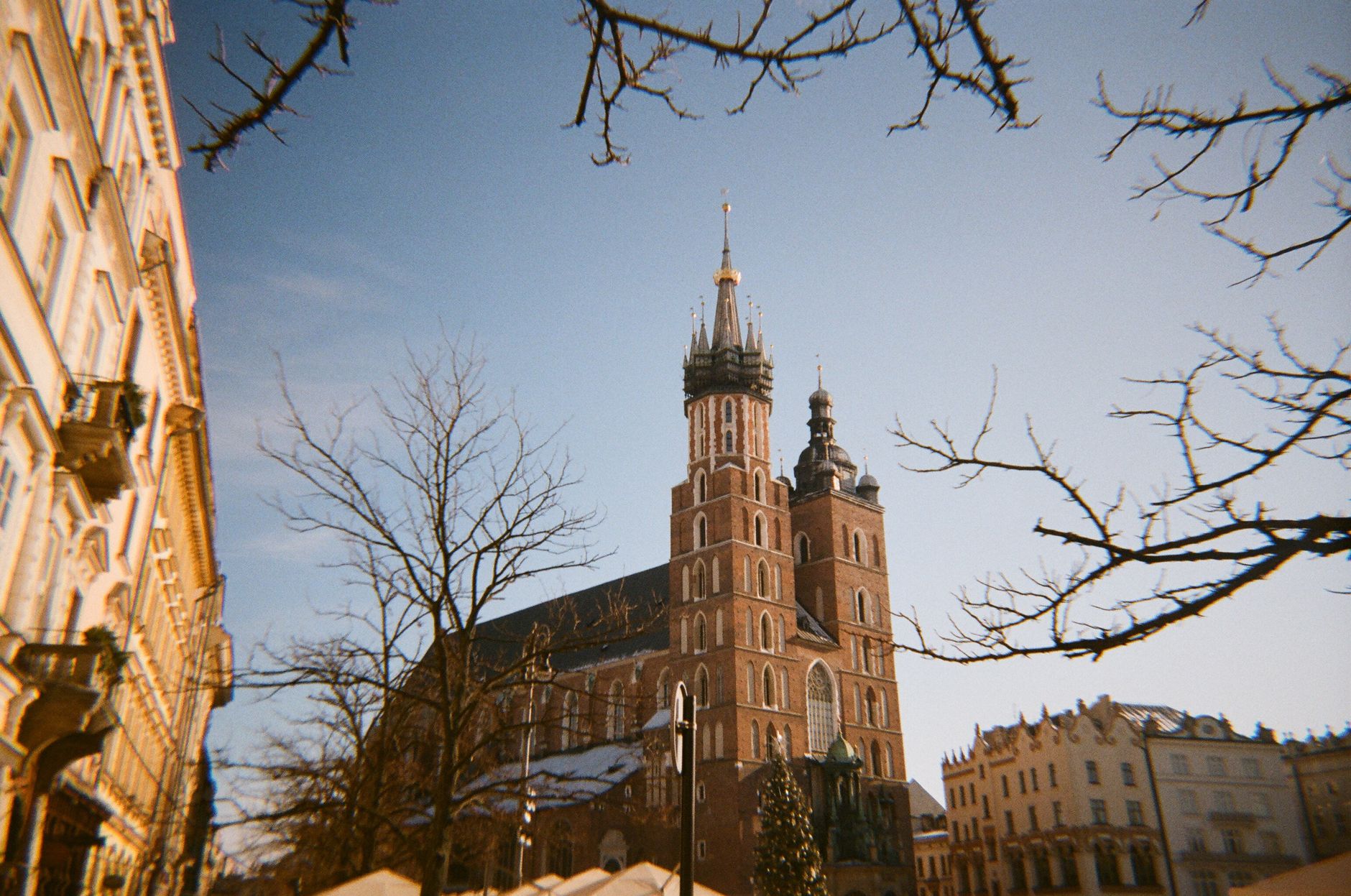

Krakow has a reputation for being one of Europe's most well-preserved medieval cities, and for good reason. The UNESCO-listed Rynek Główny, the haunting history of Auschwitz, and the bohemian charm of Kazimierz draw hundreds of thousands of visitors each year. But here's the secret that locals will only whisper over żurek (sour rye soup) in tucked-away bars: the real magic of Krakow lives far beyond the postcard shots. After spending time navigating this stunning Polish capital, talking to longtime residents, and exploring neighborhoods where tour buses never venture, I've discovered that the hidden gems in Krakow locals don't share are the experiences that reveal the city's true soul. These aren't the major attractions listed in every guidebook—they're the quiet museums, the family-run restaurants in residential streets, the underground jazz clubs, and the neighborhoods where Cracovians actually live their lives. This guide is your insider's map to Krakow. Whether you're a history buff, a budget traveler, or simply someone tired of fighting crowds at major landmarks, these hidden gems will transform your visit from tourist checklist to authentic cultural immersion. And the best part? Most of these spots remain affordable, even as Krakow's popularity grows. Right now, 42 travelers on wondr are looking for companions to explore Krakow together—if you're planning this trip, you're not alone in wanting to discover the real Krakow.
The Secret Neighborhoods Beyond the Old Town
Most visitors never leave the medieval core, which means entire neighborhoods pulse with authentic local life. Podgórze, just across the Vistula River, is where you'll find the real Krakow—narrow streets lined with independent galleries, vintage shops, and cafés where the conversations happen in Polish, not English.
Start at plac Bohaterów Getta (Heroes of the Ghetto Square), the emotional heart of Podgórze, where 70 empty concrete chairs serve as a haunting memorial. The neighborhood's Jewish history is preserved here with quiet dignity, far from the tourist machinery of the main Jewish Quarter. Nearby, ul. Węgierska hosts one of the city's best vintage markets on weekends, where locals hunt for everything from Soviet memorabilia to mid-century furniture.
Then there's Nowa Huta, the sprawling socialist-realist district built as a "perfect communist city" in the 1950s. Yes, it's unconventional, and yes, locals will seem surprised you want to go there—that's precisely why it's one of the hidden gems in Krakow locals don't share. Guided tours are available (around $12-18 USD) but honestly, wandering the monumental apartment blocks, visiting the underground Church of the Ark (built secretly by residents), and grabbing lunch at a milk bar (traditional Polish cafeteria) is equally rewarding.
Weave 2-3 of these travelers into the article as authentic quotes. Emma Rodriguez, a budget traveler on wondr, says: "Podgórze changed how I saw Krakow—it felt real, like I was actually living here instead of just visiting."
Access both neighborhoods easily: tram 3 or 8 from the Old Town to Podgórze (2 PLN, roughly $0.50 USD), and tram 4 or 14 to Nowa Huta (same price). The hidden gems in Krakow locals don't share often lie in these working-class areas where tourism hasn't yet homogenized the experience.
Underground Cafés and Speakeasies Off the Beaten Path
Krakow's café culture is legendary, but tourists typically crowd the main square establishments where a cappuccino costs 18-22 PLN ($4.50-5.50 USD). The hidden gems in Krakow locals don't share? The underground spots—literally and figuratively.
Piwnica pod Baranami (The Cellar Under the Rams), located directly on Rynek Główny, seems mainstream until you descend into the stone basement where intellectuals, artists, and musicians have gathered since 1958. It's a cabaret bar, bookshop, and cultural institution wrapped into one atmospheric cellar. Expect live jazz most nights (no cover, but drinks are 15-20 PLN), and an interior that feels frozen in time—wood-paneled walls, dim lighting, and the kind of buzz that comes from genuine creative energy.
For something truly local, head to Karmel Café on ul. Karmelicka—a narrow street few tourists find. This corner café has been run by the same family for decades, serving excellent coffee ($2.50 USD) and homemade cakes while regulars read newspapers in actual silence. It's the anti-Instagram café, and it's perfect.
Yuki Tanaka, a nightlife enthusiast on wondr, shares: "The jazz clubs hidden in Krakow's cellars are where the real musicians play—way more authentic than the Old Town tourist venues. I stumbled into one on Grodzka Street at 11 PM and didn't leave until 3 AM."
For dinner, locals swear by Manggha on ul. Zagórska—a sleek Japanese restaurant run by a Polish chef who trained in Tokyo. Mains range from 35-55 PLN ($9-14 USD), and you'll hear almost no English spoken. The sushi is exceptional, but what matters is that you're eating where Cracovians eat on Friday nights.
Another locals' secret: Papiernia (The Paper Mill) is a gallery, workshop, and café hybrid in a converted factory space. Artisan coffee, natural light, and constantly rotating exhibitions make it feel like the creative heart of the city. Coffee is 8-12 PLN ($2-3 USD), and you might stumble into an artist working at the next table.
Museums and Historical Sites Tourists Skip
While everyone queues for Wawel Castle and Auschwitz, the hidden gems in Krakow locals don't share include some of Europe's most powerful and intimate museums.
The Museum of Kraków (Muzeum Krakowa) is scattered across five locations, but the main branch on Rynek Główny's south side deserves hours. The basement reveals layers of medieval Krakow—you literally walk through different centuries. Admission is 29 PLN ($7.50 USD), which includes access to all five sites. Most visitors never make it past the main square building.
The Pharmacy Under the Eagle (Apteka pod Orłem) in Podgórze is a sobering, beautiful memorial to a Jewish pharmacist who sheltered Jews during the Holocaust. It's far less crowded than the main Jewish Quarter museums, but equally moving. Admission is 15 PLN ($4 USD), and the guided tour (available in English) is included. This quiet museum sits on the edge of the former Kraków Ghetto, and the personal stories are devastating in the best possible way.
For something completely different, visit The House of Józef Mehoffer, a stunning Art Nouveau mansion-museum in Krakow's quieter west side. This painter's home remains virtually unknown to English-speaking tourists, yet the interior design and collection of Polish modernist art are exceptional. Admission is 20 PLN ($5 USD), and you might be the only visitor. Tram 1 or 2 to the Mehoffer stop gets you there in 15 minutes.
The Ethnographic Museum (Muzeum Etnograficzne) houses one of Europe's finest collections of Polish folk art and traditional crafts. The wooden sculptures, embroidered textiles, and ceremonial objects tell the story of rural Poland. At 15 PLN ($4 USD) for entry, with free admission on Sundays, it's both affordable and deeply rewarding. Locals often skip even this one, making it a true hidden gem.
Michael Thompson, a history buff on wondr, notes: "The smaller museums gave me way more insight into Polish culture than the famous sites. Less crowded, more intimate, and honestly better curated."
Local Markets, Street Food, and Where Cracovians Actually Eat
The Rynek Główny is stunning but expensive. Scratch the surface, and you'll find the hidden gems in Krakow locals don't share: markets and eating spots where food is prepared with the same care as in restaurants, but the prices reflect reality.
Hala Targowa (The Market Hall) on ul. Grzegórzecka in Podgórze is where locals have shopped for produce, meat, and dairy since 1910. The interior is beautifully preserved art deco, and the cafeteria upstairs serves traditional Polish breakfasts for 15-25 PLN ($4-6 USD). Order żurek (sour rye soup with a hard-boiled egg), obwarzanek (a boiled bagel-like pastry), and fresh orange juice. This is how Cracovians start their day.
For street food, obwarzanki vendors operate year-round outside the main railway station and around ul. Floriańska. These boiled, then baked rings of dough cost just 3-5 PLN ($0.75-1.25 USD) and are perfect with mustard. They're Poland's answer to pretzels, and locals eat them constantly.
Visit Stary Kleparz (Old Market), one of Krakow's oldest outdoor markets, just north of the Old Town near the Barbican. Fresh flowers, vegetables, and local products are significantly cheaper than touristy shops. On weekend mornings, the energy is incredible—this is Krakow's actual marketplace, not a museum recreation.
For dinner on a budget, milk bars (bar mleczny) are your secret weapon. These cafeteria-style restaurants, subsidized during communist times and still affordable today, serve enormous portions of authentic Polish food for 12-18 PLN ($3-4.50 USD). Bar Grodzki on ul. Grodzka has been operating since 1964 and remains virtually undiscovered by tourists. Main courses include pierogi, schnitzel, and bigos (hunter's stew), all served on chipped ceramic plates by matter-of-fact staff. It's genuine, unpretentious, and delicious.
Rachel Green, a budget traveler on wondr, says: "I ate like a queen for the cost of a coffee back home. The milk bars are where you find real Polish food, not restaurant interpretations."
For something between street food and fine dining, Carbonado on ul. Św. Tomasza is a family-run wine bar and restaurant where the owner personally selects Polish wines paired with seasonal small plates. Mains are 40-60 PLN ($10-15 USD), prices are reasonable for the quality, and the wine list is exceptional. Locals crowd this place nightly.
Find Travel Companions for Krakow
Krakow is an incredible destination to explore, whether you're traveling solo or with friends. If you're planning a trip and want to share the experience, you're in luck—right now, 42 travelers on wondr are looking for companions to explore Krakow together.
Finding the right travel companion can transform your experience. Imagine sharing the moment you descend into the underground cathedrals of the Wieliczka salt mine, or discovering a hidden jazz club in Kazimierz with someone equally excited about off-the-beaten-path experiences. Whether you're interested in history, nightlife, budget travel, or cultural immersion, there are like-minded travelers looking for the exact same thing.
Wondr makes it easy to connect with other travelers planning Krakow trips. You can see their travel styles, interests, and what they're looking to experience—whether that's visiting the hidden gems in Krakow locals don't share, exploring the Jewish Quarter's history, or simply finding someone to share meals and costs with.
[Find Travel Companions for Krakow](/find-companions/krakow) on wondr today. Browse travelers by their interests, message potential companions, and plan your adventure together. Many wondr travelers find that traveling with a companion they've connected with on the platform leads to deeper friendships, shared costs, and far more authentic experiences than going it alone.
Whether you want someone to explore Nowa Huta's socialist-realist architecture with, share a late-night discovery at a hidden speakeasy, or simply have a friend to navigate the emotional weight of Auschwitz-Birkenau, wondr helps you find your travel match.
Practical Logistics: Visas, Money, Transport, and Safety
Visas and Documents: If you're a U.S., Canadian, Australian, or EU citizen, you don't need a visa for Poland—just a valid passport. Most Western travelers receive automatic 90-day visitor permits at entry. Check the official Poland tourism board for your specific nationality's requirements.
Currency and Money: Poland uses the Polish złoty (PLN). As of 2024, 1 USD = approximately 4 PLN. ATMs are everywhere in Krakow (look for "bankomat" signs), and withdrawal fees are minimal (typically 6-10 PLN per transaction). Avoid airport exchange counters—use ATMs instead. Credit cards are accepted at most restaurants and hotels, but cash is still king in milk bars, markets, and smaller establishments.
Getting Around: Krakow is extraordinarily walkable. The Old Town, Jewish Quarter, and Podgórze are all within 1-2 km of each other. For longer distances, the tram system is excellent and costs 2-3.80 PLN ($0.50-1 USD) per journey. A 24-hour tram pass is 18 PLN ($4.50 USD). Download the moBiLet app to buy tickets directly—it saves a few złoty and beats standing in queues. For day trips to Auschwitz or Wieliczka, buses depart from the main station (Kraków Główny). Book ahead on [Book flights to Krakow](/book/flights-to/krakow) and arrange ground transport—trains to Warsaw or Gdańsk are also excellent connections.
Accommodation: [Find hotels in Krakow](/book/hotels-in/krakow) across all budget levels. Budget options range from 40-60 PLN ($10-15 USD) for clean, basic hostels to 80-150 PLN ($20-40 USD) for decent Airbnbs in Podgórze. Mid-range hotels average 150-250 PLN ($40-65 USD). Book in advance during April-October peak season.
Safety: Krakow is very safe by European standards. Petty theft in the Old Town is the main concern—keep valuables secure and avoid walking alone very late at night in poorly lit areas. According to U.S. State Department travel advisories, Poland presents no significant safety concerns for tourists. Use common sense, be aware of your surroundings, and you'll have no issues.
Best Time to Visit: April-October offers the best weather (15-25°C / 59-77°F). April-May and September-October have fewer crowds and lower prices than June-August. December brings Christmas markets and is magical but cold. Avoid November and February—the weather is gray and depressing.
Language: Poles appreciate effort with their language. "Dzień dobry" (hello), "proszę" (please), "dziękuję" (thank you), and "przepraszam" (excuse me) go a long way. English is spoken by younger people and in tourist areas, but not universally. Download Google Translate's offline mode for your phone.
Another practical tip: Krakow's main railway station (Kraków Główny) is currently undergoing renovation. Confirm which platform your train departs from when you arrive, as it may differ from printed schedules.
Beyond the Headlines: Why Krakow Matters
Krakow is a city of contradictions—impossibly beautiful medieval architecture alongside horrific Holocaust history, socialist-realist apartment blocks next to Renaissance palaces, tourists everywhere yet deep local culture thriving beneath the surface. That's precisely why discovering the hidden gems in Krakow locals don't share transforms your visit from a checklist experience into something profound.
The major attractions matter, of course. Krakow's UNESCO-listed Old Town is one of Europe's greatest architectural achievements. Auschwitz-Birkenau demands every traveler's visit and contemplation. But it's the in-between moments—sitting in Piwnica pod Baranami listening to jazz, wandering Podgórze's quiet streets, eating żurek in Hala Targowa, standing alone in the pharmacy where a pharmacist risked everything to save lives—that create actual memories.
James Chen, a city-break traveler on wondr, reflects: "I went to all the famous sites, but I spent the evenings in random neighborhoods, eating in places no one online knew about. That's when Krakow became real for me."
The hidden gems in Krakow locals don't share aren't secret to keep tourists out—they're simply the everyday places where Cracovians live, eat, and find meaning. By stepping away from the postcard Krakow, you honor the city's complexity and complexity and become part of its living history rather than just consuming it.
Ready to make it happen? Plan your Krakow trip on wondr today. Our AI-powered trip planner can build a personalized itinerary that balances the must-see landmarks with the hidden gems locals actually experience. Connect with fellow travelers, book accommodations, and get specific recommendations tailored to your interests and budget.
Krakow is waiting—and unlike the crowds at the Rynek Główny, the best experiences are still quiet, accessible, and undeniably worth your time.
💡 快速提示", blog_more_stories: "更多故事
- →Visit milk bars (bar mleczny) for massive portions of authentic Polish food at 3-4.50 USD per meal—**Bar Grodzki** on ul. Grodzka is a locals' institution since 1964
- →Explore Podgórze via tram 3 or 8 (0.50 USD per ride) for the real Krakow—empty chairs at plac Bohaterów Getta and vintage markets on weekends
- →Descend into **Piwnica pod Baranami** for live jazz in a centuries-old cellar where Krakow's artists and intellectuals still gather nightly
- →Buy a 24-hour tram pass (4.50 USD) and skip tourist-trap tours—navigate like a local using the moBiLet app for digital tickets
- →Skip the main square restaurants and grab **obwarzanki** (boiled bagel-like pastries) from street vendors near the railway station for just 0.75-1.25 USD
- →Visit the Pharmacy Under the Eagle in Podgórze (4 USD entry) instead of crowded main Jewish Quarter museums—equally powerful, far fewer tourists
- →Head to **Hala Targowa** market in Podgórze for breakfast like a local: żurek, obwarzanek, and fresh juice for 4-6 USD total
- →Explore **Nowa Huta** and its hidden Church of the Ark—take tram 4 or 14 (0.50 USD) to experience Poland's ambitious socialist-realist experiment

Share this deal
准备好访问了吗 Krakow?
查看酒店、活动和优惠 — 或让AI为您创建完整行程。