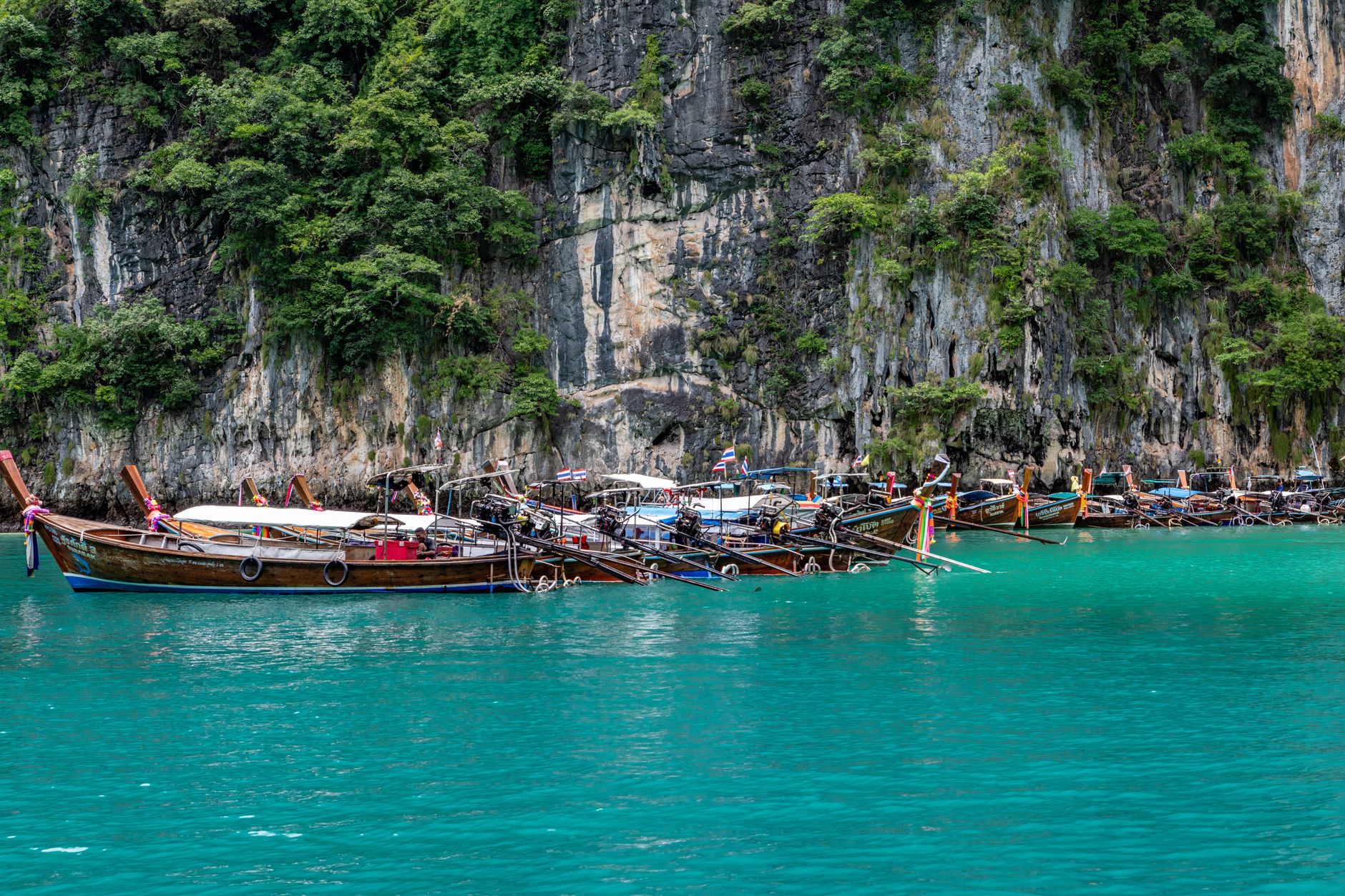

Phuket gets a reputation as a party island, and while Patong Beach's neon-soaked nightlife has its charm, the real magic happens away from the selfie sticks and tour buses. If you've scrolled through Instagram and felt that familiar sense of tourist fatigue before you've even booked your flight, you're not alone. The truth? Some of the best experiences in Phuket exist in the spaces between the guidebook recommendations—quiet fishing villages, family-run restaurants where the pad thai costs $2, and viewpoints where you'll genuinely have the place to yourself at sunset. After talking with dozens of travelers who've spent real time here and connecting with locals who call the island home, I've pieced together the hidden gems in Phuket locals don't share with cruise ship crowds. This isn't about being gatekeepy; it's about preserving what makes a place worth visiting in the first place. The hidden gems in Phuket locals don't share tend to cluster in neighborhoods like Thalang, Kathu, and the eastern coast—areas where fishing and rubber farming still matter more than resort development. These spots deliver the Andaman Sea beauty and authentic Thai culture that made you fall in love with Southeast Asia in the first place, without the $25 cocktails and mandatory flip-flop purchases.
The Secret Beaches Only Locals Know About
Let's start with what everyone wants: pristine beach access without the chaos. Patong Beach is packed for a reason—it's convenient—but if you venture just 15 minutes north or south, you'll find stretches of sand that feel genuinely undiscovered. Bang Tao Beach, specifically the northern section beyond the Laguna resort complex, offers calm turquoise water and a handful of family-run seafood restaurants where you can eat fresh grilled fish for $6–8 per person. The water is shallow and safe for kids, and on weekday mornings (aim for Tuesday–Thursday) you might have entire stretches to yourself. Emma Rodriguez, a beach-focused traveler on wondr, notes: "The early mornings before 8am are when the real magic happens—locals swimming, fishermen heading out, and zero tourists." She's right. Get there by 7am and you'll see exactly what she means.
On the island's eastern side, Ao Chalong Bay remains wonderfully low-key. This working fishing village has a pier where longtail boats depart for day trips, but the beach itself is quiet, with a few shaded restaurants and genuinely friendly vendors (no aggressive haggling). Expect to pay $4–6 for a fresh seafood lunch. The sunsets here are spectacular because far fewer people are watching them. A short 20-minute drive north takes you to Bang Pae Waterfall—a freshwater sanctuary in the jungle where locals bring their families on weekends. Entrance is just $3, and you can swim in cool pools surrounded by limestone cliffs. The walk is easy (about 10 minutes) and it's genuinely one of the hidden gems in Phuket locals don't share because tourists often skip it entirely, assuming beaches are the only water worth seeking.
For something even more off-the-radar, take a songthaew (shared red truck taxi, $1–2 per person) to Kamala Beach's southern tip, near the Phuket Fantasea theater. The main beach is touristy, but walk past the theater toward the rocky point and you'll find small family beaches, tide pools, and local kids playing. The restaurants here serve to actual residents, not tourists, which means better food and fairer prices. A massive plate of pad krapow moo (basil pork) runs $2.50–3, and the vendor actually cares that it's delicious.
Authentic Markets Where Locals Actually Shop
Tourists flock to Patong Night Bazaar and the Phuket Weekend Market in search of authentic experiences, then get overwhelmed by tour groups. The hidden gems in Phuket locals don't share include several neighborhood markets where you're genuinely outnumbered by residents buying groceries and lunch.
Saphan Hin Market (Saphan Hin is a neighborhood south of central Phuket) opens early in the morning (5am–11am) and is almost exclusively local. You'll find produce vendors, sticky rice carts, noodle soups, and absolutely chaotic energy. Breakfast here costs $1.50–3 per person, and the quality is exceptional because these vendors feed the same people every day. There's no English signage, which is exactly the point. Point and smile; locals are incredibly kind to confused travelers. The market is a 10-minute drive from Patong via the bypass road.
Baan Ton Pho Market in the Kathu area opens Tuesday–Thursday early mornings and weekends all day. This is where rubber farmers and shopkeepers buy supplies. You'll see vegetables you don't recognize, fresh herbs sold by the armful, and prepared dishes made fresh at each stall. Prices are 30–40% cheaper than tourist-facing establishments. Try the khao tom (rice soup) for $1.20—it's comfort food in a bowl.
For something more deliberately experiential, visit Phuket Town's Old Town (Sino-Portuguese architecture quarter) on a Friday or Saturday morning. The old shophouses along Thalang Road have been converted into boutiques, but the side streets still have working locals going about their day. Stop by a family-run coffee shop (order "kaffe" for black coffee or "kaffe sai" for coffee with sweetened condensed milk, $1.50) and watch the neighborhood wake up. Michael Thompson, a cultural traveler on wondr, shared: "The real Phuket isn't found in a market stall—it's found sitting with a coffee watching life happen in front of you. The locals don't sell that; they just live it." He's captured something essential: the hidden gems in Phuket locals don't share are often about pace and presence, not items purchased.
Neighborhoods That Feel Like Home, Not a Resort
Most visitors stay in Patong or Kamala, which means entire neighborhoods remain authentically Thai. Thalang District in the northern part of the island is rural-feeling—rubber plantations, modest homes, local restaurants, and actual community life. It's where the Big Buddha overlooks the island from Nakkerd Hill, but even at that viewpoint, arrive before 8am and you'll have sunrise largely to yourself. The temple grounds open at 6am, and entrance is free. Bring water (it gets hot) and wear respectful clothing (covered shoulders and knees).
A short drive south from the Big Buddha, Chalong District feels like stepping outside Phuket's tourist bubble entirely. The neighborhoods around the Old Chalong Pier have small family hotels ($25–40/night), local restaurants, and a genuinely unhurried feel. Mangosteen Boutique Hotel's neighborhood (around Soi Mangosteen) has quiet streets, a few hidden restaurants, and real estate prices that suggest this is where Thai families actually want to live. The restaurants here—small shophouses with 5–6 plastic tables—serve incredible food at local prices. A curry and rice lunch runs $2.50–4.
Kathu is slightly more developed but still maintains that local character. The area around the Kathu Waterfall has quiet guesthouses, motorbike rental shops, and family restaurants. The waterfall itself ($3 entrance) is beautiful and rarely crowded. Many visitors skip it entirely, making it one of the best hidden gems in Phuket locals don't share.
If you want to stay overnight in a quieter area, these neighborhoods offer far better value than Patong. A decent guesthouse here runs $20–35/night (compared to $45–80 in Patong), and you'll eat every meal for what a single cocktail costs in the tourist zone. The trade-off? You'll need a motorbike or willingness to use songthaews, but that's how locals actually experience the island.
Food Experiences Away From Tourist Restaurants
This is where Phuket genuinely shines if you know where to look. Forget the "authentic Thai cooking classes" in Patong (which are designed for tourists and run $30–50 per person). Instead, visit Baan Thai Cooking School in the Kathu area ($15 per person for a half-day class with a home-based instructor), or better yet, ask at your guesthouse if any locals teach cooking informally from their home. This happens more often than tourists realize, and the cost is negotiable.
For street food, Thalang Road in Phuket Town has vendor stalls that haven't changed in decades. You'll find grilled fish, papaya salad, mango sticky rice ($1–2), and noodle soups that are legitimately world-class. Go around 11am–1pm when locals are eating lunch. There's minimal English, but that's when you point and smile. The same applies to the small soi (alley) food stalls that open in residential neighborhoods around 5pm–9pm. These are where neighbors gather, kids play nearby, and food is served with genuine hospitality.
For sit-down meals, seek out seafood restaurants near Chalong Pier and the east coast. These aren't hidden, but they're genuinely local—fishing communities eating their own catch. Prices are $4–8 per person for incredibly fresh seafood, rice, and beer. The atmosphere is Thai families and workers, not tourism infrastructure. One standout: restaurants along the Ao Chalong waterfront (no English names, just look for the boats out front) will grill fish whole for $6–10 depending on size, and it'll be the best fish you eat in Thailand.
Rachel Green, a food-focused traveler on wondr, shared: "Stop looking for restaurants with Instagram-worthy presentations and start looking for places packed with Thai grandmothers. That's where the food actually tastes good." This philosophy applies perfectly to finding hidden gems in Phuket locals don't share—follow the locals, not the algorithm. Sarah Mitchell, an adventurous eater on wondr, adds: "Markets open at dawn. Get there early, buy fruit and snacks for $2, and you'll eat better than spending $20 on hotel breakfast."
Activities That Don't Require a Tour Group
The standard activity offerings—Phi Phi Islands day trips ($35–50), James Bond Island tours, longtail boat excursions—are perfectly fine but extremely crowded. The hidden gems in Phuket locals don't share often involve exploring on your own timeline.
Rent a motorbike (about $7–10/day from any guesthouse) and explore the secondary roads. Ride north toward the Khao Yai National Park border or east toward the rubber plantations. You'll see Thai life unfiltered—kids going to school, vendors setting up, farmers heading to fields. It sounds simple, but it's genuinely how most visitors miss the soul of the place. Safety note: Phuket has decent roads, but ride defensively. Wear a helmet (legally required; $50 fine if stopped), and don't ride after dark if you're unfamiliar with the roads.
Kayaking in Phang Nga Bay (30 minutes from Phuket) doesn't have to mean a crowded tour. You can hire a kayak directly from locals at Ao Phang Nga for $10–15/day and explore the limestone cliffs independently. Go mid-week (Tuesday–Thursday) and you'll have sections of the bay entirely to yourself. This is honestly one of the more magical hidden gems in Phuket locals don't share—paddling between karst formations as the sun sets, with no boats or camera phones in sight.
Hiking Khao Rang Hill in Phuket Town offers jungle trails and a viewpoint over the city and sea. Entrance is free; trails are well-maintained but barely marked. Go early morning, bring water, and expect to see few other people. The views are genuinely stunning—limestone hills, green jungle, and Phang Nga Bay in the distance.
Visit the Phuket Aquarium (near Chalong, $5 entrance) if you have kids or genuine interest in marine life. It's not glamorous, but it's real—local school groups, genuine marine research, and zero cruise-ship tourists. The tanks feature fish, sea turtles, and creatures actually found in Andaman waters.
For a completely different experience, arrange a fishing trip with local fishermen at Chalong Pier. Costs run $40–80 for a group (split it with other travelers you meet), and you'll spend 4–6 hours on a real working boat catching real fish, eating lunch on deck, and understanding how this island's economy actually functions. Contact your guesthouse to arrange this—they often have relationships with fishermen.
Practical Logistics: Getting Around and Staying Safe
Transportation: Phuket International Airport sits in the north; a taxi or Grab (Thailand's ride-sharing app) to Patong costs $15–20. Songthaews (shared red trucks) are the cheapest way to get around ($1–3 per trip depending on distance) but require knowing where you're going or asking locals. They don't have fixed stops—just flag one down and negotiate. Download the Grab app for motorbiking ($1.50–3 per trip) or car rentals. Motorbike rental from guesthouses is $7–10/day; get travel insurance that specifically covers motorbike accidents (many don't, and medical costs add up fast).
Visa and Documents: Most nationalities get a 30-day visa-free entry to Thailand. Check the official Thailand tourism board for current requirements. If you need an extension, immigration offices are in Phuket Town ($40 for a 30-day extension). Bring your passport and a copy of your hotel booking.
Currency: The Thai Baht (฿) exchanges at roughly 35–37 Baht per USD. ATMs are everywhere; withdrawal fees run $2–3 per transaction. Notify your bank you're traveling to avoid card blocks. Carry some cash—not everywhere accepts cards, and small vendors appreciate it.
Safety: Phuket is genuinely safe for tourists. Petty theft happens, especially in crowded markets and bars. Use a money belt for valuables. Avoid leaving belongings unattended on beaches. If you rent a motorbike, assume every vehicle on the road is either broken down or driven by someone learning that day—ride defensively. Police presence is visible in tourist areas; if you have issues, contact your embassy or your accommodation's management first.
Travel Insurance: Get comprehensive travel insurance that covers medical, evacuation, and activity-specific needs. Thailand's hospitals are excellent but expensive if uninsured.
When to Visit: November–April offers the best weather—cool, dry, and sunny. Expect crowds (and higher prices) December–February. September–October is rainy season but much quieter and cheaper. Phuket doesn't completely shut down in rain; afternoon showers are brief.
For more detailed planning, consider checking Phuket's Wikipedia page for historical context and UK Foreign Office travel advice if you're a UK traveler, or equivalent resources for your country.
When you're ready to book your stay, find hotels in Phuket that match your budget and neighborhood preference. For flights, book flights to Phuket during shoulder season (May or November) for better pricing.
Find Travel Companions for Phuket
Here's something most travel guides miss: exploring hidden gems is infinitely better with people who share your interests. Right now, 31 travelers on wondr are looking for companions to explore Phuket together—people searching for that exact balance of adventure, authenticity, and good company.
Whether you want a buddy for motorbike rides through quiet neighborhoods, someone to split a private fishing trip cost with, or a friend to navigate markets and try street food alongside, wondr's companion-finding platform connects you with travelers heading to the same places, at the same time, with similar travel styles.
Instead of navigating these hidden gems alone, imagine arriving at Ao Chalong Bay with someone who's equally excited about fresh-grilled fish for $6, or exploring Thalang's quiet streets with a travel partner who gets why you skipped Patong. Wondr makes this possible—you can filter by travel dates, budget level, interests, and travel style.
[Find travel companions for Phuket on wondr](/find-companions/phuket) and join the community of 31+ travelers already planning their trip. You might discover that exploring the hidden gems in Phuket locals don't share is even better when you share the experience with someone who understands why these quiet moments matter.
💡 快速提示
- →Arrive at beaches and viewpoints before 8am to avoid crowds and capture better light. This applies especially to the Big Buddha and Saphan Hin viewpoint.
- →Rent a motorbike for $7–10/day and explore secondary roads—this is how you actually see rural Phuket and find restaurants and markets that cater to locals, not tourists.
- →Ask your guesthouse for meal recommendations instead of checking Google. Owners have genuine relationships with vendors and can direct you to hidden gems in Phuket locals don't share.
- →Visit markets (Saphan Hin, Baan Ton Pho) early morning on weekdays for lower prices, better selection, and an authentically local atmosphere without tourist crowds.
- →Use the Grab app for motorbiking and ride-sharing; it's cheaper and safer than flagging taxis, though slightly more expensive than songthaews.
- →Carry small cash—$10–20 daily is realistic for eating street food and using local transport. Small vendors don't accept cards and appreciate cash payments.
- →Travel mid-week (Tuesday–Thursday) instead of weekends for better prices and genuinely fewer tourists, especially at viewpoints and beaches.
- →Learn a few Thai phrases: "Hello" (Sawasdee), "Thank you" (Khop khun), "Delicious" (Aroi), and "How much?" (Tao rai?). Locals genuinely appreciate the effort.

Share this deal