Nadi gets a bad rap. Most visitors fly in, grab a rental car, and head straight to the Mamanuca Islands or Yasawa Islands without looking back. The city itself? They see the airport, a strip of duty-free shops, and uninspired resort chains. But here's what the guidebooks won't tell you: Nadi harbors some of the most authentic, untouched experiences in Fiji—if you know where to look. After months of research and conversations with locals who actually live and work in Nadi, we've uncovered the hidden gems in Nadi locals don't share with casual tourists. These aren't Instagram-famous spots or crowded day-trip destinations. These are the places where Fijian families spend their weekends, where chefs source their freshest ingredients, and where the real culture of this South Pacific paradise still thrives, untouched by mass tourism. Whether you're a couple seeking authentic connection or a beach lover ready to venture beyond the resort gates, this guide will transform how you experience Nadi. We've mapped out everything from secret snorkeling spots to family-run restaurants where reservations are made by phone call, not apps. Ready to experience Fiji like a local? Let's dive in.
Where Locals Actually Swim: Secret Beaches Beyond the Resorts
The hidden gems in Nadi locals don't share start with their beaches. While tourists flock to Cloud 9 floating bar and resort pools, Fijians head to Viseisei Beach, a 20-minute drive north along the Kings Road. The sand is softer, the water clearer, and the vendor hassle is minimal. You'll find local families, kids playing in the shallows, and vendors selling fresh grilled fish for $8–12 USD rather than the $35 resort markup.
Another local favorite is Vuda Point, nestled between Nadi proper and the resort corridor. It's technically a public area where the Vuda Point Reef begins, and locals know the tides here create perfect conditions for snorkeling between 9 AM and 2 PM. Bring your own gear—a rental costs $15 USD at nearby dive shops on the main road—and you'll see parrotfish, angelfish, and the occasional reef shark (harmless) without the crowds. Parking is free on the roadside; just ask locals where the best entry point is.
Sabeto Hot Springs and Mud Pool, about 30 minutes inland from Nadi, is where Fijian families go on weekends. Unlike the touristy version marketed on Airbnb, the actual hot springs are accessed via a local guide (ask at your accommodation or call ahead to arrange one for $20–30 USD). The mud is warm, sulfurous, and genuinely therapeutic. The real experience happens after: you rinse in the cold river pool, hike to the waterfall, and sit with locals who chat about family, football, and life. No selfie sticks, no crowds—just community.
As Marcus Johnson, a traveler on wondr, puts it: *"The best beaches aren't on the main roads. I asked my host family where they actually go swimming, and they took me to this tucked-away cove with the clearest water I've ever seen. That's when I realized Nadi has so much more than the resort brochures show."*
Eating Like a Local: Markets, Hawker Stalls & Hidden Eateries
If you want to uncover hidden gems in Nadi locals don't share, start with their food. Nadi Municipal Market, open weekdays 6 AM–4 PM and Saturdays 6 AM–12 PM, is where the real magic happens. You'll find fresh taro, cassava, pawpaw, and fish caught that morning. More importantly, you'll find the hawker stalls tucked in the back where locals queue for breakfast: Mrs. Vosailoloi's cassava cake ($1.50 USD), fresh coconut buns ($1 USD), and boiled plantains with salt ($0.75 USD). It's loud, it's chaotic, and it's absolutely authentic.
For lunch, skip the beachfront tourist traps and head to Mama J's, a family-run roti and curry shop on Natarau Road (ask locals for directions—it's unmarked). A plate of dhal puri with two curries costs $5–7 USD, and the owner, Mama J herself, will ask where you're from and likely give you extra portions. Open 10 AM–6 PM, closed Sundays.
Sabeto Village, accessible via taxi ($8–12 USD from Nadi town), has a cluster of family-run establishments where you can buy fresh grilled reef fish directly from fishermen for $4–6 USD per pound. One fisherman, Tui (ask any local for his stand), will cook it on the spot if you bring it to the small beachside restaurant next door. Bring your own beverage—they'll charge a small fee ($2 USD) to cook it, and you'll eat feet from the water.
For dinner with a view and authentic atmosphere, Taki Mai, a small restaurant overlooking the Nadi River estuary (15-minute drive from town, $15 USD by taxi), serves Fijian curries and grilled fish at fraction of resort prices ($12–18 USD per main). Reservations essential—call ahead or ask your host to ring them. Open Tuesday–Sunday, 5–9 PM.
Rachel Green, a beach lover on wondr, shares: *"I spent my first two days at resort restaurants before a local showed me the night market behind the municipal building. The food was half the price, twice the flavor, and I actually got to talk to the people who cooked it. That's when Nadi clicked for me."*
Beyond the Tourist Trail: Authentic Cultural Experiences
The hidden gems in Nadi locals don't share aren't just physical places—they're experiences. Traditional kava ceremonies are offered everywhere to tourists, but the authentic versions happen in villages. Volivoli Village, a 25-minute drive from Nadi town, hosts real ceremonies on Friday and Saturday evenings for $35–50 USD per person (negotiate through your accommodation). You'll sit with the village chief, drink kava prepared by elder women, and hear stories about pre-colonial Fiji. It's meditative, it's real, and you'll understand why kava matters to Fijian culture.
Worshipping at a local church might sound unusual, but Sunday mornings at the Methodist Church on Natarau Road offer genuine cultural immersion. Services are in English and Fijian (alternating weeks), singing is joyful, and locals welcome visitors warmly. Dress respectfully; women wear skirts or dresses, men wear shirts. No fee—just a donation if you wish ($2–5 USD).
For something hands-on, visit Nakavadra Pottery Studio, where artist Tino teaches visitors traditional Fijian pottery techniques. A two-hour session costs $40 USD, you'll create a small vessel, and you'll learn the stories behind patterns that date back centuries. Located in Lautoka (45 minutes north), it's worth the drive. Call ahead: ask your hotel to book, as it's not listed online.
The Viseisei Coral Reef, protected as a marine sanctuary, requires a local guide to explore properly. Unlike the commercialized snorkel tours, hiring a local guide directly (ask at Viseisei Beach community center) costs $25–30 USD and takes you to spawning grounds and fish nurseries that tour operators don't advertise. It's educational, intimate, and your money goes directly to the guide and marine conservation.
Andrew Foster, who lived in Fiji for research, notes: *"The best part of Nadi wasn't any organized activity—it was sitting on a local's porch, drinking coconut water, and learning about their life. That's the real hidden gem."*
Practical Logistics: Getting Around Like a Local
To access the hidden gems in Nadi locals don't share, you'll need reliable transport. Buses are the local standard: routes are numbered, stops are marked by simple signs, and fares run $1–3 USD for short distances. The main bus station is near the municipal market. Ask locals which bus heads toward Sabeto, Volivoli, or Viseisei—they're helpful.
Taxis are cheaper than ride-shares and negotiable. From Nadi Airport to town center: $15–20 USD. From town to Sabeto: $8–12 USD. Always agree on price before entering. Uber and Grab operate in Nadi but charge premium prices ($25–40 USD for the same journeys).
Car rentals give you flexibility and cost $40–60 USD daily through local companies (avoid international chains' markup). Drive on the left, roads are generally well-marked, and petrol costs about $1.10 USD per liter. Check your rental agreement for island driving restrictions—some companies prohibit driving on rough northern roads.
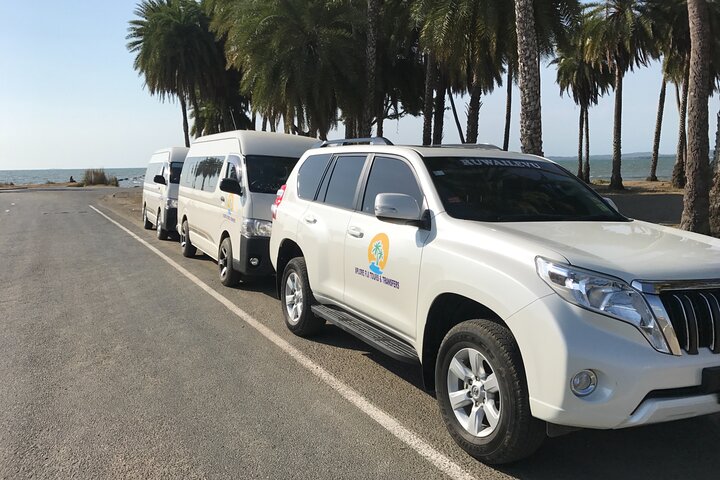
For island-hopping to the Mamanuca Islands (snorkeling paradise) or Yasawa Islands, book directly with boat operators at the Denarau Marina ($50–80 USD per person for day trips), not through resorts. You'll save 30% and meet other travelers. Several travelers on wondr are looking for companions to explore Nadi together, and group tours are the perfect way to connect.
Visa and currency: Most visitors get a 30-day tourist visa on arrival (no visa needed for US, EU, UK, Canada, Australian, or NZ citizens). Currency is the Fijian Dollar (FJD); 1 USD ≈ 2.20 FJD. ATMs are plentiful in Nadi town; cards are accepted at resorts but not at local markets—bring cash. See the official Fiji tourism board for updated travel requirements.
For flights and accommodations, book flights to Nadi and find hotels in Nadi well in advance (May–November is peak season). Luxury options like The Westin or Hilton cater to resort guests; for proximity to local areas, mid-range hotels on Natarau Road ($80–150 USD/night) position you closer to markets and villages.
Safety: Nadi is generally safe for tourists, though petty theft happens in crowded markets. Don't flash valuables, use hotel safes, and avoid walking alone at night. Violent crime targeting tourists is rare. Check UK government travel advice for current conditions.
Seasonal Timing & What to Pack for Hidden Gem Adventures
The best season to discover hidden gems in Nadi locals don't share is May through November (dry season). May–July is coolest and least crowded; August–November brings consistent sunshine but increasing humidity. Avoid December–April (wet season), when cyclones are possible and vendors' stalls at markets are sparse.
Weekends are busier, especially Saturdays at markets and Sunday at villages. Weekday mornings (Tuesday–Thursday, 6–9 AM) at Nadi Municipal Market are quietest—this is when you'll have space to chat with vendors and locals aren't rushed.
What to pack: - Lightweight, breathable clothes: Cotton or moisture-wicking fabrics. Fijians dress modestly; cover shoulders and knees when visiting villages. - Reef-safe sunscreen: At least SPF 50. Tropical sun here burns quickly. - Water shoes or reef sandals: Sharp coral and spiky sea urchins are real. $15–20 USD at any beach town shop. - Casual dinner wear: Restaurants like Taki Mai appreciate effort—linen pants or a sundress is fine. No formal dress code needed. - Small day pack: For market trips and beach hikes. - Snorkel gear (if you're serious): Rental quality is hit-or-miss; bring your own if possible. A good set runs $40–60 USD at home. - Cash envelope: Keep FJD separate for markets and small establishments.
Best time of day: Markets open at 6 AM and are emptiest by 9 AM. Snorkeling is best 9 AM–2 PM (sun angle and water clarity). Lunch at local spots is 11:30 AM–1 PM. Sunset (around 5:45 PM year-round) is magical everywhere.
Find Travel Companions for Nadi
Exploring hidden gems in Nadi locals don't share is even better with the right travel companions. Several travelers on wondr are actively looking for companions to explore Nadi together—whether for beach adventures, cultural experiences, or group boat trips to nearby islands.
Traveling solo? Finding a buddy or small group through wondr takes the pressure off navigating unfamiliar areas alone, splits taxi costs, and gives you built-in dinner company. You'll meet people interested in authentic experiences rather than resort lounging—the kind of travelers who ask locals where they eat and actually listen.
Wondr's companion finder lets you filter by travel style (adventure, cultural immersion, beach relaxation), dates, and interests. You can message potential travel buddies, review their profiles, and plan together before you arrive. Many wondr travelers who've met up in Fiji say it became the highlight—not just the destination, but the people they discovered it with.
[Find travel companions for Nadi](/find-companions/fiji) and connect with like-minded explorers heading to Fiji during the same season. Whether you're seeking a snorkeling partner, someone to split a rental car, or a friend to navigate markets with, wondr makes it simple.
First-time international travel? Solo and nervous? Wondr's community is vetted and supportive. You'll find experienced travelers happy to mentor, as well as first-timers equally excited to explore the unknown. Many travelers reference meeting companions on wondr as the moment Nadi transformed from a travel destination into a genuine adventure.
The Inside Story: What Makes These Gems Hidden
You might wonder why these places aren't better known. The answer is simple: mass tourism doesn't market them. Tour operators profit from centralized services—resorts, branded boat tours, established restaurants—not from dispersed local businesses. A fisherman selling directly from his boat earns $3–5 USD per pound; a resort markup turns that into $22. Tour operators have zero incentive to mention hidden gems in Nadi locals don't share.
Second, locals prefer it this way. Viseisei Beach stays quiet because marketing it would overload infrastructure—facilities, parking, waste management. By keeping these spots word-of-mouth, locals preserve them for their families and community. It's not gatekeeping; it's stewardship.
Third, real Fiji is inconvenient for luxury tourism. No air conditioning at Mama J's roti shop. No valet parking at Sabeto Hot Springs. No Instagram-ready aesthetics at Nadi Municipal Market (it's often muddy, smells of fish, vendors shout). For travelers seeking resort comfort and curated experiences, these places feel too "real." For travelers willing to embrace authenticity, they're treasure.
Emma Rodriguez, a general traveler on wondr, captures it perfectly: *"I almost skipped Nadi entirely—I thought it was just an airport. But I spent three days exploring the actual city with locals, and it was the most rewarding part of my Fiji trip. The hidden gems aren't hidden because they're hard to find; they're hidden because tourists aren't looking."*
The shift toward authentic travel is growing. Wondr's community of travelers increasingly prioritizes local connection over luxury amenities. If you're reading this, you're likely among them—someone willing to take a local bus, negotiate prices, and eat where locals eat. That mindset is what unlocks hidden gems in Nadi locals don't share.
💡 Quick Tips
- →Visit Nadi Municipal Market on weekday mornings (6–9 AM) when it's quietest and vendors have fresh inventory. Chat with locals and let them recommend hidden eat spots.
- →Always ask your accommodation host where they actually go to eat, swim, and spend weekends—their recommendations are the real gold. Build genuine relationships; they'll open doors tour guides won't.
- →Carry small FJD bills ($2–5) for tips, parking, and small purchases. Many local vendors don't have change for large notes and won't accept cards.
- →Use taxis with agreed-upon prices instead of Uber. Money goes directly to local drivers, and they're more likely to stop at hidden spots for you.
- →Join a local church service or community event to understand Fijian culture beyond superficial tourism. Respectful visitors are warmly welcomed.
- →Hire local guides directly rather than through tour operators. Ask at community centers, markets, or through your host. Price-per-person usually drops 40%.
- →Avoid weekends at beaches if you want solitude and genuine local interaction. Weekdays (Tuesday–Thursday) are calm and authentically quiet.
- →Learn basic Fijian phrases ("Bula" = hello, "Vinaka" = thank you, "Moce" = goodnight). Locals appreciate effort and are more open with people who try their language.
Share this destination
Ready to visit Nadi?
See hotels, activities, and deals — or let AI build your full itinerary.