
You've just landed at Cape Town International Airport, and you're about to experience one of the world's most stunning cities. But first: you need to get from the airport to your hotel, and figuring out how to get from airport to city center Cape Town can feel overwhelming if you don't know what to expect. The good news? It's straightforward, affordable, and you have several solid options depending on your budget and travel style. Whether you're a solo adventurer, a budget backpacker, or traveling with a group, there's a transport solution that works for you. In this guide, I'll walk you through every option—from ride-sharing apps to shuttle buses—with real prices, honest tips, and advice from travelers who've done it before. Cape Town airport sits just 22 kilometers (about 14 miles) east of the city center, typically a 20–30 minute journey depending on traffic. The journey into the city is scenic, taking you through the eastern suburbs before you glimpse Table Mountain and the Atlantic coast. Right now, 29 travelers on wondr are looking for companions to explore Cape Town together—and many of them are probably wondering the exact same thing about airport transfers. Let's make sure your arrival goes smoothly, so you can focus on what matters: Table Mountain, penguin colonies, world-class wine, and the electric energy of the V&A Waterfront.
Your 5 Transport Options: Which One Is Right for You?
When learning how to get from airport to city center Cape Town, you'll find five main options, each with distinct pros and cons. Let's break them down so you can decide based on your priorities—budget, speed, convenience, or comfort.
Uber/Bolt Ride-Sharing ($12–$18 USD) Uber and Bolt both operate reliably at Cape Town airport. From the international terminal, head to the designated ride-sharing pickup zone (clearly marked), and you'll typically wait 10–15 minutes for a driver. A standard trip to the city center (Sea Point, the Waterfront, or the Company's Garden area) costs between $12–$18 USD depending on demand. During peak hours (7–9 am, 5–7 pm), surge pricing applies—I've seen fares jump to $25–$30. The advantage? Door-to-door service and real-time tracking. The downside? It's not the cheapest option, and traffic can add 15 minutes to your journey during rush hours.
Airport Shuttle Buses ($6–$10 USD) Companies like MyCiTi (Cape Town's official public transport system) and private operators like InterCape and Eldo Coaches run scheduled shuttle services. These shared minibus shuttles depart from the airport's lower level roughly every 30–60 minutes and drop you at major hotels and areas like the Waterfront or the city center. Cost: $6–$10 USD per person. It's slow (can take 45–60 minutes with multiple stops) but incredibly cheap and safe. Perfect for budget travelers and anyone not in a rush.
MyCiTi Bus (Direct Service) ($1.50–$2 USD) If you're traveling ultra-light and want the absolute cheapest option, the MyCiTi bus service 202 runs directly from the airport to the city center. You'll need to buy a reloadable card at the airport, add credit, and tap on when boarding. Journey time: 35–50 minutes depending on stops. It's legitimate, safe, and used by locals daily—but expect crowding during peak times and minimal luggage space if you're carrying large bags.
Rental Car ($35–$60 USD/day) If you're planning to explore the Cape Peninsula, Stellenbosch wine estates, or Chapman's Peak Drive, renting a car at the airport makes sense. Major agencies (Hertz, Avis, Budget) have desks in the arrival hall. A basic economy car runs $35–$60 USD per day. Driving in Cape Town is straightforward—roads are well-maintained, and signage is clear in English—but traffic into the city center during rush hours can be brutal. Book online before arrival to secure better rates.
Minibus Taxis (The Local Experience) ($2–$4 USD) Cape Town's iconic minibuses are cheap and chaotic—character-filled vans that run fixed routes and pick up/drop off anywhere along their path. From the airport, you can catch minibuses heading to the city center from the unofficial taxi rank outside the terminal. Cost: $2–$4 USD. Honest warning: This option requires comfort with informal transit, no set schedule, and potentially shared space with 16 other passengers. It's authentic and adventurous, but I'd recommend it only if you're a seasoned backpacker with minimal luggage and no time pressure.
The Cheapest Way: Budget-Friendly Transport Options
I get it—you want to save money for wine tastings, hiking Table Mountain, and those incredible seafood platters at the V&A Waterfront. Here's how to get from airport to city center Cape Town on a shoestring budget.
MyCiTi Bus 202: The Budget King ($1.50–$2 USD) This is your golden ticket for maximum savings. The direct MyCiTi service requires advance planning but pays dividends. You'll need to purchase a reloadable Integrated Ticketing System (ITS) card at the airport (no charge for the card itself, then load it with credit—minimum top-up is about $5 USD). The bus departs every 15–20 minutes during the day, and the journey to the city center takes 35–50 minutes. As Emma Rodriguez, a budget traveler on wondr, explains: "Skip the Uber. The MyCiTi bus saved me $40 over my week in Cape Town, which went straight to a wine tour in Stellenbosch." One caveat: carry only what fits as a backpack—luggage space is minimal, and you'll be standing during rush hours.
Airport Shuttle Minibuses ($6–$10 USD) The next tier up in budget-friendliness. Operators like InterCape and Eldo Coaches offer scheduled shuttles departing every 30–60 minutes from the lower-level exit. You'll share the minibus with other travelers, possibly make 2–3 stops at different hotels, and arrive in 45–60 minutes. Online booking from home is smart—you'll save $1–$2 and avoid the hassle of sorting it out bleary-eyed post-flight. These buses are air-conditioned, safer than minibus taxis, and ideal for solo travelers or small groups.
Pro Tip for Budget Travelers: If you're staying in a backpackers' hostel, ask if they offer free or discounted airport pickup. Many popular hostels in the city center (like the Backpack, Sea Point Backpackers, or Breakwater Lodge) offer this service—essentially bundling transport into your accommodation cost. It's convenient and often shaves $3–$5 off shuttle costs.
Track Real-Time Pricing: Download both Uber and Bolt to compare fares before booking. Sometimes Bolt is 20% cheaper, sometimes it's the reverse. A two-minute comparison can save you $5–$8 on the spot.
The Fastest & Most Convenient Option: Ride-Sharing Apps
If you're jet-lagged, carrying luggage, or traveling with family, the speed and convenience of ride-sharing is worth the extra $10–$15. Here's what you need to know about how to get from airport to city center Cape Town via Uber or Bolt.
How to Book from the Arrival Hall Before you land, download both the Uber and Bolt apps. Ensure your payment method is linked (credit card or PayPal). Once you exit the international terminal, follow green signs reading "Ride-Sharing Pickup" or "Uber/Bolt Zone." Head to the designated parking area, open the app, enter your destination (I recommend specifying a specific street address rather than just "city center"), and confirm. You'll see your driver's details and vehicle, and can track them in real-time. Typical wait time: 8–15 minutes.
Cost Breakdown A standard Uber X or Bolt Economy ride from the airport to the Waterfront or city center runs $12–$18 USD. UberXL or a larger vehicle is $18–$25 USD. Peak pricing (7–9 am, 5–7 pm) can spike this 30–50%, so book during off-peak times if possible (10 am–4 pm, 8 pm+). Add a $3–$5 tip for good service—tipping is customary in South Africa.
Pro Tips for Ride-Sharing - Confirm the driver's route: Open Google Maps simultaneously and verify they're taking the sensible M6 highway toward the city. Occasionally drivers take longer routes to pad fares—this is rare but possible. - Stay in the app's designated zone: Don't wander outside the marked pickup area looking for your driver. The system is designed to direct drivers to a specific spot; meeting them there is faster. - Ask the driver for restaurant recommendations: Most drivers are locals with opinions about the best seafood spots, hidden neighborhoods, and Table Mountain hikes. You're getting a free local guide. - Use Uber to explore during your stay: Once in the city, Uber is your reliable backup for getting to Boulders Beach penguin colony, Chapman's Peak Drive, or Stellenbosch wine estates when you're short on time or energy.
As Marcus Johnson, an adventure traveler on wondr, shares: "I splurged on an Uber from the airport and used the 25-minute ride to chat with my driver about hiking routes and which wine estates were worth visiting. Best $15 investment—saved me hours of research." His point: sometimes the extra cost buys you a cultural insider's perspective.
Safety, Neighborhoods & Where to Go After Landing
Before diving into how to get from airport to city center Cape Town, let's talk about staying safe and understanding where you're actually heading.
Is the Airport Route Safe? Yes. The M6 highway connecting the airport to the city center is well-traveled, well-lit, and heavily trafficked—not a route where you'd encounter crime. All transport options listed above (official shuttles, Uber, Bolt, MyCiTi) are safe and used by tourists daily. The only option requiring extra caution is informal minibus taxis, where petty theft is possible in crowded vehicles. Stick with registered transport, keep your bag close, and you're fine.
For broader safety context, consult the UK government travel advisory for South Africa or U.S. State Department guidance, both of which confirm Cape Town is safer for tourists than many global destinations—with standard urban precautions recommended.
Best Neighborhoods to Stay In (and Tell Your Driver) When learning how to get from airport to city center Cape Town, you'll need a specific destination. Here are the top neighborhoods:
- V&A Waterfront & Foreshore: Tourist hub with restaurants, shopping, and hotels. Great for first-timers. Mid-range to luxury. - Sea Point: Beachfront promenade, trendy bars and cafés, 15-minute drive from airport. Best for young travelers and nightlife. - Company's Garden & De Waterkant: Historic, walkable, near restaurants and the Slave Lodge Museum. Central and convenient. - Camps Bay: Upscale beach suburb, 20 minutes from airport, stunning views of Table Mountain. Better for travelers with bigger budgets. - Observatory & Woodstock: Hip, artsy neighborhoods with street art, vintage shops, and indie cafés. Perfect for culture-seekers. - Mowbray & Rondebosch: Quieter residential areas near the University of Cape Town, good budget accommodation.
Tell your Uber/Bolt driver or shuttle operator your specific destination—don't just say "city center." This ensures you're dropped at the right spot and clarifies your budget (luxury hotel vs. backpackers' hostel).
Currency & Payment South Africa's currency is the South African Rand (ZAR). USD $1 ≈ 18–19 ZAR (rates fluctuate). Most ride-sharing apps accept international credit cards. ATMs are plentiful at the airport and throughout the city. Tipping: 10–15% for services, tips included in ride-sharing apps or cash. Many restaurants and shops accept cards, but carrying some cash ($50–$100 USD equivalent in Rand) is smart for small vendors and tips.
Find Travel Companions for Cape Town
Arriving in a new city is exciting—and sometimes a bit daunting. The good news? You don't have to do it alone. Right now, 29 travelers on wondr are looking for companions to explore Cape Town together. These are real people planning wine tours, Table Mountain hikes, penguin visits at Boulders Beach, and everything in between.
Connecting with travel buddies when you arrive makes navigating how to get from airport to city center Cape Town easier—and more fun. You can share ride-sharing costs (splitting an Uber X is cheaper than going solo), coordinate shuttle bookings, or simply have someone to grab coffee with while you regroup post-flight.
How to Find Your Cape Town Travel Squad Head to wondr's companion finder and search Cape Town. You'll see travelers with matching interests, travel dates, and accommodation preferences. Send a message, exchange WhatsApp details, and coordinate your airport arrival. Some travelers will be on the same flight; others will arrive within a day or two. Many wondr companions arrange to share shuttle buses or split Uber costs—instantly saving money while making new friends.
Why it matters: Travel companions help you feel more confident exploring unfamiliar transport systems, provide backup when navigating new neighborhoods, and multiply the fun factor tenfold. As Sarah Mitchell, a general traveler on wondr, puts it: "I connected with two other travelers through wondr before my Cape Town trip. We shared an airport shuttle, which cost us each only $5 instead of $10. More importantly, we spent the next week together exploring Table Mountain and Stellenbosch—some of my best travel memories."
[Find travel companions for Cape Town on wondr](/find-companions/cape-town) and start your adventure with people who share your wanderlust.
Booking Accommodation & Planning Your Full Trip
Once you've sorted how to get from airport to city center Cape Town, the next logical step is locking in your hotel or hostel. Your accommodation choice actually influences your transport decision—staying near the Waterfront means a shorter ride ($12 Uber) than staying in far-flung Camps Bay ($18–$20).
Where to Stay on Your Budget Backpackers' hostels ($15–$25 USD/night): Backpack, Sea Point Backpackers, Breakwater Lodge. These places have communal vibes, often offer airport pickup, and help you meet other travelers.
Mid-range hotels ($50–$100 USD/night): The Vergenoegd Estate Guesthouse, Semigod Studios, various options in Woodstock and Observatory.
Beachfront & upscale ($120–$250+ USD/night): The Table Bay Hotel, The Roundhouse in Constantia, Camps Bay hotels.
[Find hotels in Cape Town](/book/hotels-in/cape-town) to compare prices, read recent reviews, and check cancellation policies. Many boutique guesthouses offer better value than big chains.
Plan Your Entire Trip Once you know your accommodation and transport, build out your itinerary. Cape Town deserves at least 5–7 days to experience properly:
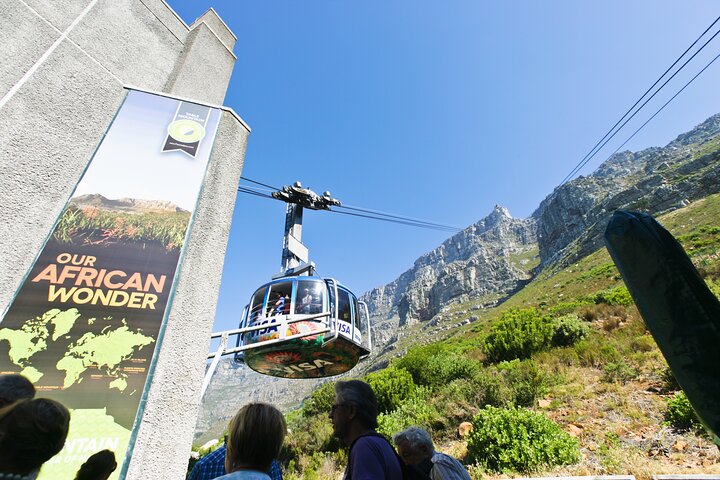
- Days 1–2: Recover from flight, explore your neighborhood, ride the Table Mountain cable car at sunrise ($25 USD), wander the Waterfront. - Day 3: Boulders Beach penguin colony ($8 USD entry) and the scenic coastal drive. - Day 4: Full-day Stellenbosch wine tour (many operate from the city center, $50–$80 USD including tastings). - Day 5: Chapman's Peak Drive loop and Cape Point (rent a car or join a guided tour, $60–$100 USD). - Days 6–7: Leisure days—museums, street art in Woodstock, cooking classes, sunset walks along the promenade.
[Plan your Cape Town trip on wondr](/plan?destination=Cape%20Town) and let our AI itinerary builder customize a day-by-day schedule based on your interests, budget, and travel style. Input your arrival date, departure date, whether you're into adventure or culture or food—and get a personalized roadmap.
[Book flights to Cape Town](/book/flights-to/cape-town) if you haven't already. Flights from North America typically run $600–$1,200 USD depending on season; from Europe, $400–$800 USD. October–April (Southern Hemisphere spring/summer) is peak season—book 6–8 weeks in advance for the best fares.
Final Tips: Making Your Arrival Smooth
As you prepare for your Cape Town adventure, here's what the experienced travelers on wondr wish they'd known before landing:
Visa & Documentation US, UK, EU, Canadian, and Australian citizens receive a 90-day visitor visa on arrival (no advance visa required). Check the South African tourism board for your specific nationality. Bring your passport, proof of onward travel (return flight confirmation), and evidence of accommodation. Processing takes 5 minutes at immigration.
The Journey Itself Whenever you decide how to get from airport to city center Cape Town, remember that the drive is scenic. Table Mountain looms larger as you approach; the mountain never stops stunning newcomers. If you're on a shuttle or Uber, don't bury your head in your phone—look out the window. Your driver might point out landmarks or neighborhoods worth exploring.
What to Know About the MyCiTi Card If you choose the bus, load your ITS card with $20–$30 USD equivalent in Rand before leaving the airport. You'll use this card for the entire duration of your stay—every bus ride, every journey deducts the fare automatically. It's the most seamless way to move around the city once you've arrived.
Best Times to Travel Cape Town's best season is October–April (spring/summer): warm, sunny, 18–26°C (64–79°F), zero rain. This is also peak tourist season—book accommodation and activities in advance. Flights are pricier, and popular attractions are busier. If you visit May–September (autumn/winter), expect cooler temps (12–18°C / 54–64°F), occasional rain, fewer tourists, and lower prices.
As Olivia Bennett, a general traveler on wondr, wisely notes: "I came in March thinking I'd avoid crowds. I didn't—but the weather was perfect and I'd booked accommodation cheaply. Trade-offs, but I'd do it again." Plan ahead but stay flexible.
Final Word Getting from the airport to your accommodation is just the opening scene of your Cape Town story. Whether you spend $2 on the MyCiTi bus or $18 on an Uber, you'll be minutes away from a city that consistently ranks among the world's most beautiful: Table Mountain, penguin colonies, world-class wine, stunning beaches, and a culture as diverse as anywhere on Earth. The transport question is practical; the real adventure begins the moment you step onto Cape Town soil.
💡 Quick Tips
- →Download Uber and Bolt before landing and compare fares—one is often 15–25% cheaper than the other on any given day.
- →If staying at a backpackers' hostel, ask about free or discounted airport pickup when booking your room—can save $5–$10.
- →For absolute cheapest transport, buy an ITS card at the airport and take MyCiTi bus 202; costs under $2 but requires minimal luggage and patience.
- →Ride-sharing surge pricing peaks 7–9 am and 5–7 pm; booking during off-peak hours (10 am–4 pm) can save $5–$8.
- →Keep your driver's phone number and take a screenshot of your route—if the driver takes an unusual detour, you have proof.
- →Carry $50–$100 USD in South African Rand for tips, small vendors, and situations where cards aren't accepted.
- →Tell your driver/shuttle operator your specific neighborhood destination (Waterfront, Sea Point, Company's Garden), not just 'city center.'
- →If traveling with companions, book an UberXL or large shuttle—per-person cost is often cheaper than individual rides.
Share this destination
Ready to visit Cape Town?
See hotels, activities, and deals — or let AI build your full itinerary.
Top things to do in Cape Town


Compare Destinations