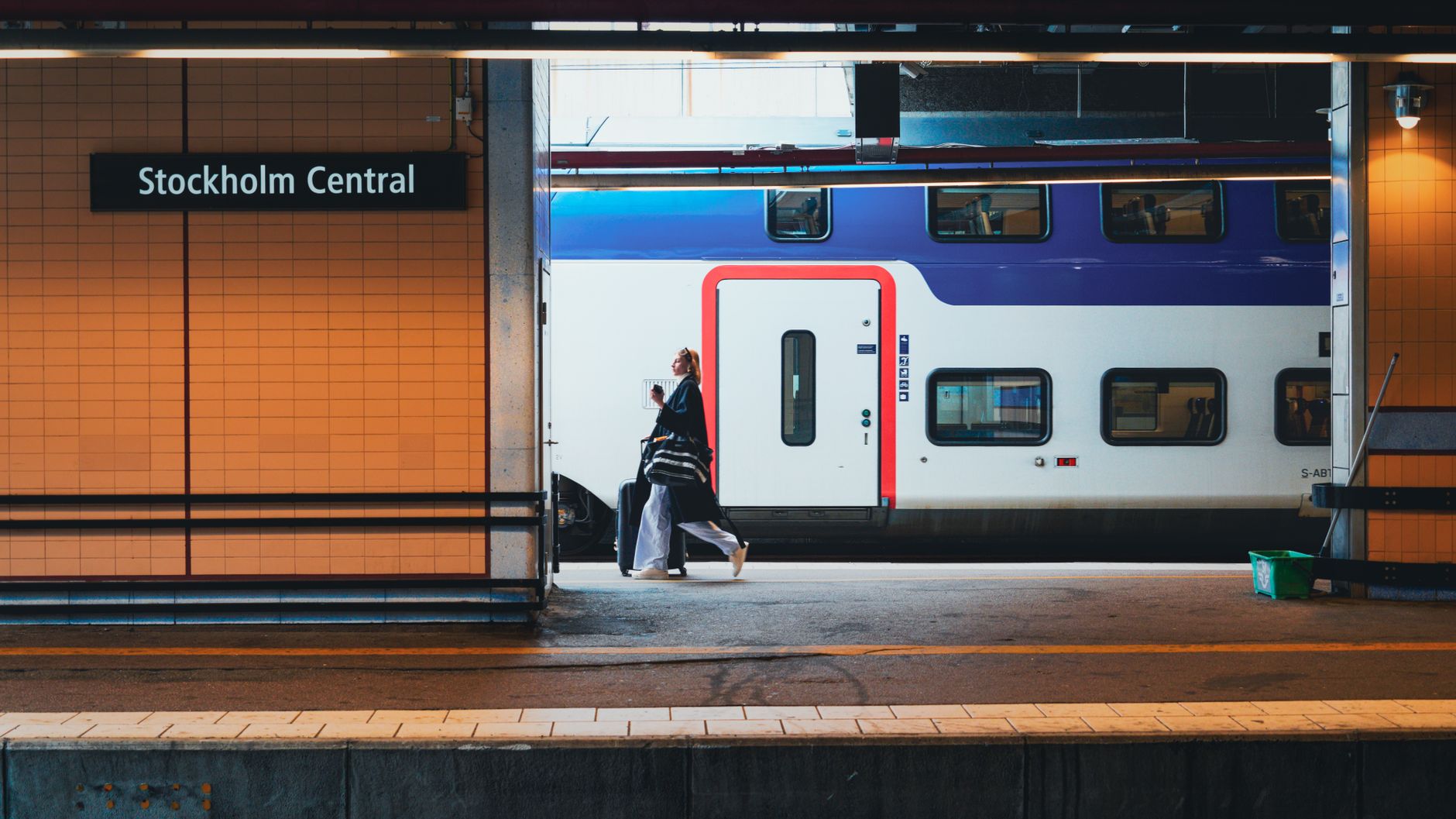

Stockholm steals hearts and wallets in equal measure. This sprawling Nordic capital, built across 14 interconnected islands, offers the kind of magic that makes travel writers wax poetic: cobblestone streets in Gamla Stan, cutting-edge Scandinavian design, and water views around every corner. The problem? Reputation suggests that Stockholm demands a luxury budget. It doesn't. While Stockholm certainly caters to high-end travelers, the city is far more accessible than you'd think. There are genuinely excellent things to do in Stockholm on a budget—free museum days, affordable public transport passes, cheap eats in immigrant neighborhoods, and entire neighborhoods to explore without spending a kronor. Over the last few years, visitors have discovered that with smart planning, you can experience the city's essence without the eye-watering prices of top restaurants and hotels. This guide reveals exactly how to do it. We've researched real prices, tested transportation passes, interviewed budget-conscious travelers, and identified the hidden gems that let you experience Stockholm authentically without draining your savings. Whether you're a first-time visitor or a returning traveler looking to go deeper, you'll find practical, specific advice for making your Stockholm trip affordable and unforgettable.
How to Get to Stockholm Without Spending a Fortune
Getting to Stockholm affordably requires advance planning and flexibility. Flights are typically the biggest expense, so start here. Flight prices to northern Europe peak May–September (peak season), but if you can travel in shoulder season—May or September—you'll see 20–30% savings. Budget airlines like Ryanair, Norwegian, and Wizz Air offer routes into Stockholm Arlanda Airport from major European cities for $30–80 USD. If you're coming from within Europe, consider budget bus services: FlixBus operates routes to Stockholm from Copenhagen ($20–40), Hamburg ($35–60), and Oslo ($25–45).
Once you decide on your travel dates, **Book flights to Stockholm** well in advance—typically 6–8 weeks out for best rates. Flight comparison sites like Skyscanner and Kayak let you set price alerts.
International visitors should note that U.S., UK, Canadian, and Australian citizens don't need visas for Sweden. EU/EEA citizens face no restrictions. For non-visa-exempt travelers, check your country's requirements via your embassy or government travel advisory resources.
Once in Stockholm, skip taxis ($15–25 to city center) and use Arlanda Express train ($22 USD one-way) or the Airport Coach bus ($10–12 USD), both taking 20–45 minutes to central Stockholm. The airport bus is significantly cheaper and more budget-conscious travelers swear by it. As Emma Rodriguez, a general traveler on wondr, notes: 'Public transport in Scandinavian cities is reliable—invest in the pass rather than individual taxis.'
Free and Cheap Things to Do in Stockholm on a Budget
This is where Stockholm reveals its secret: many of its most iconic attractions offer free entry on specific days or charge minimal fees. Start with the Vasa Museum, home to the famous 17th-century warship that sank in 1628 and was recovered nearly intact. Admission is typically 150 SEK (~$14 USD). But here's the budget hack: every Wednesday evening after 5 PM, entry drops to just 75 SEK (~$7 USD). With fewer crowds and magical evening light, this is actually the best time to visit.
Gamla Stan (the medieval old town) costs nothing to explore. Wander the narrow, cobblestone streets of Stortorget Square, peek into courtyards, browse independent boutiques, and soak in the 700-year-old atmosphere. It's genuinely mesmerizing and completely free. Similarly, Djurgården Island is perfect for long, free walks. This 1.2 km² green space has gardens, tree-lined paths, and water views. The Djurgårdsstigen (main path) is ideal for a 90-minute stroll with minimal crowds if you go early morning (before 10 AM).
Several free museums worth checking: The Stockholm City Museum (Stadsmuseum) is free and covers the city's history from medieval times to now. The Fotografiska (photography museum) has a small permanent collection that's free; rotating exhibits cost 150 SEK ($14 USD). Skansen (an open-air museum of Swedish life) does charge admission (around 200 SEK / $19 USD), but sunset visits or late-afternoon tickets are cheaper.
For budget dining—often the biggest expense in Stockholm—head to immigrant neighborhoods like Södermalm and Norrmalm. Turkish kebab shops on Upplandsgatan charge 80–120 SEK ($7–11 USD) for filling meals. Varmkorv (Swedish hot dog stands) sell sausages for 30–50 SEK ($3–5 USD). Systembolaget (the state alcohol monopoly) sells affordable wine and beer, but it closes at 7 PM weekdays—plan accordingly.
As James Chen, a budget-focused traveler on wondr, says: 'Finding local food markets beats tourist restaurants every time. Street-level eating is how you understand a city anyway.'
Best Budget Neighborhoods to Explore in Stockholm
Skip the pricey tourist zones and spend your days in neighborhoods where actual Stockholmers live. Södermalm (on the southern island) is the beating heart of Stockholm's design and counterculture scene. Vintage shops, thrift stores, and independent boutiques line Folkungagatan and Bondegatan. Coffee at tiny independent cafés costs 40–60 SEK ($4–6 USD) versus 80 SEK (~$7.50) in tourist areas. The neighborhood's Mosebacke Square offers free rooftop views of the city's spires and water—arrive just before sunset for golden-hour magic.
Norrmalm offers good value for dining and nightlife. Street food stalls and casual restaurants cluster around Hötorget Square, where you can eat filling meals for under $10 USD. The area has a grittier, less polished feel than central districts—which is precisely why it's genuine.
Kungsholmen (the western island) remains relatively undiscovered by tourists. Strandvägen waterfront promenade is lined with affordable cafés, and the neighborhood has real Stockholm character. A fika (traditional Swedish coffee break) with a pastry costs 60–100 SEK ($6–9 USD).
Blasieholmen sits between major attractions but escapes the crowds. It's small, quiet, and walkable—great for a half-day without spending much. The real value is in wandering without an agenda, stopping for coffee, and observing Stockholm life.
Public transport between neighborhoods is efficient and affordable. A single journey ticket costs 33 SEK (~$3 USD). A 24-hour travel card costs 150 SEK ($14 USD), or a 7-day card costs 535 SEK ($50 USD). These pay for themselves quickly if you're exploring multiple neighborhoods. Most visitors find the 24-hour or 7-day passes essential for budget travel in Stockholm.
The Stockholm Archipelago: Affordable Day Trip from the City
One of Stockholm's greatest assets is the archipelago—a sprawling network of 30,000 islands and skerries stretching 40 km into the Baltic. A day trip here feels like escaping to another world, yet it's remarkably affordable.
Getting there: The most budget-friendly option is the Waxholm boats—public ferries that operate year-round from Strömkajen (near the old town). A round-trip ticket to Waxholm Island costs around 200 SEK ($19 USD) and takes 50 minutes. The ferry is used by locals, making it authentic and cheap. You'll pass countless islands, watch the coastline evolve, and arrive at a charming fishing village.
What to do in Waxholm: The village is tiny—it takes 30 minutes to walk the whole thing. Visit the Waxholm Fortress (100 SEK / $9.50 USD entry), explore the harbor, grab lunch at a casual café (usually 150–250 SEK / $14–24 USD for mains), and simply sit by the water. The rhythm is slow, Scandinavian, and restorative.
Alternative archipelago trips: Vaxholm Island (also accessible by ferry) offers hiking trails and rocky beach walks. Finnhamn Island, farther out, has a small café, bathing spots, and genuine solitude. Ferries cost 200–300 SEK ($19–28 USD) depending on destination.
Pack your own picnic from a supermarket (ICA or Willys stores throughout the city) to save 100–150 SEK per meal. Swedish groceries are expensive, but a simple sandwich, fruit, and coffee prepared at your accommodation will cut costs dramatically.
Timing matters: Visit May–June or August–early September for best weather without peak summer crowds. June offers nearly 24-hour daylight—you can leave at 10 AM and the evening still stretches endlessly ahead.
Access this via the wondr trip planner: **Plan your Stockholm trip** and mark archipelago day trips in your itinerary for seamless planning.
Budget Accommodation: Where to Stay in Stockholm
Stockholm accommodation ranges from luxury design hotels ($300+ USD/night) to budget options that let you experience the city thoughtfully. Here's where savvy travelers actually stay:
Hostels are abundant in Stockholm. Generator Stockholm (in Södermalm) charges 70–120 SEK ($6.50–11 USD) for dorm beds and attracts international travelers seeking community. Bed & Breakfast Stockholm offers private rooms in local homes for 600–900 SEK ($57–85 USD) in residential neighborhoods.
Airbnb and local rentals offer middle-ground options. A studio apartment in Södermalm or Norrmalm typically costs 700–1000 SEK ($66–95 USD) nightly—significantly cheaper than hotels and with kitchen access (crucial for extending food budgets). Booking 4+ weeks ahead reduces prices 15–25%.
3-star hotels in less central neighborhoods charge 800–1200 SEK ($76–114 USD). Hotels near Tekniska Högskolan (north) or Årstaberg (south) are 30 minutes from city center but much cheaper. The trade-off is commute time, not quality.
Crucial tip: Stockholm has a summer price collapse (June–August). Many hotels offer rates 30–40% lower than spring/fall. If you can travel July, accommodation rates plummet and summer weather is unbeatable.
When comparing options, **Find hotels in Stockholm** on wondr to see all available inventory and booking terms.
Neighborhoods for staying: Södermalm offers the best balance of affordability, atmosphere, and access. Avoid staying in Norrmalm proper (pricey and touristy). Kungsholmen offers excellent value with good transport links. Vasastan (north) remains undiscovered and quiet.
As Sarah Mitchell, an adventurous traveler on wondr, reflects: 'The best travel memories come from neighborhoods where you're staying with locals, not tourist hotels. Budget accommodation often puts you exactly there.'
Find Travel Companions for Stockholm
Planning a Stockholm trip solo, but prefer sharing the experience? You're not alone—and literally so. Several travelers on wondr are actively looking for companions to explore Stockholm together. Whether you want a partner for archipelago day trips, someone to split Airbnb costs with, or just a buddy to navigate the city's neighborhoods and museums, the wondr community is actively seeking travel partners.
Why find a travel companion for Stockholm? Beyond social benefits, splitting accommodation costs (Airbnb, hotel rooms) saves 30–50% immediately. Two travelers sharing a 1000 SEK apartment pays 500 SEK each instead of booking separate dorms. Companions help navigate public transport confidently, share local restaurant recommendations, and make longer walks through Gamla Stan and Djurgården more enjoyable.
Wondr makes matching easy: [Find travel companions for Stockholm](/find-companions/stockholm) by setting your travel dates, interests (museums, architecture, nightlife, budget level), and preferred trip style. The platform connects you with verified travelers headed to Stockholm on similar timelines.
Other travelers benefit from shared costs on expensive experiences too: splitting a private guided tour of Gamla Stan, sharing taxi costs, or dividing restaurant bills at nice dinners. The wondr community includes design lovers, history buffs, budget backpackers, and everything in between—your ideal travel companion is likely already planning their Stockholm trip.
Get started: Head to wondr's companion finder and search by destination, dates, and travel style. Message potential companions, discuss budget expectations and interests, and meet up before the trip or on arrival. Most wondr travelers appreciate detailed planning conversations beforehand to ensure compatibility.
Practical Tips for Budget Travel in Stockholm
A few logistical details make or break a budget trip. Currency: Sweden uses Swedish Kronor (SEK). 1 USD ≈ 10.5 SEK (rates fluctuate). Withdraw cash at ATMs (banks charge minimal fees) or use a no-foreign-fee credit card. Sweden is remarkably cashless—even small vendors accept Swish (mobile payment app) and cards.
Visa and travel requirements: Check the official Sweden tourism board for current entry requirements by nationality. Most Western travelers need no visa for stays under 90 days.
Weather and packing: May–September is peak season with mild temperatures (15–22°C / 59–72°F). Pack layers—Scandinavian weather shifts rapidly. Rain is common; a lightweight packable rain jacket is essential. September offers the best value: good weather, fewer crowds, lower prices than peak July–August.
Museums and discounts: Many museums offer free entry for children under 18 and student discounts (show valid student ID). The Stockholm Card (399 SEK / $38 USD for 24 hours) includes museum entry and public transport, saving money only if you visit 3+ museums daily—often worth it during rainy days.
Safety: Stockholm is extremely safe by international standards. Petty theft occurs in crowded tourist areas (watch bags on ferries and in Gamla Stan), but violent crime is negligible. Stay alert in Norrmalm after dark and avoid the far suburbs late at night, but generally relax—Stockholm is genuinely welcoming.
Restaurant strategy: Lunch menus (11 AM–2 PM) offer dramatically lower prices than dinner at the same restaurant. A weekday lunch "business menu" might be 120 SEK ($11 USD) versus 300 SEK ($28 USD) for the same dish at dinner. Time your big meals at midday.
Language: English is widely spoken (90%+ of Swedes speak fluent English). You don't need Swedish, though learning basic phrases is appreciated. Many signs, menus, and information are available in English.
💡 Hızlı ipuçları
- →Visit the Vasa Museum on Wednesday evenings after 5 PM when admission drops 50% to 75 SEK (~$7 USD)—you'll also have fewer crowds and better evening light for photos.
- →Use the 24-hour or 7-day Stockholm public transport card (150–535 SEK / $14–50 USD) instead of individual tickets—it pays for itself after 4–5 journeys and includes airport buses.
- →Eat lunch between 11 AM–2 PM at sit-down restaurants for weekday 'business menu' pricing—typically 40–50% cheaper than the same dish at dinner.
- →Explore Södermalm, Norrmalm, Kungsholmen, and Vasastan neighborhoods instead of staying near central tourist zones—local cafés, shops, and restaurants are 20–30% cheaper.
- →Pack picnics from ICA or Willys supermarkets for archipelago day trips; ferry rides are cheap (200 SEK / $19 USD), but restaurant meals on islands cost 250–400 SEK ($24–38 USD).
- →Book accommodation at least 4 weeks in advance to secure 15–25% discounts, especially in shoulder season (May, September) when prices are lowest.
- →Walk between Gamla Stan, Djurgården, and Blasieholmen—the distances are short (1–2 km) and free walking beats expensive taxis and paid tours.
- →Ask locals about Systembolaget (state alcohol store) closing times—it shuts at 7 PM weekdays and earlier weekends, limiting happy hour options compared to other European cities.

Share this deal
Ziyarete hazır mısınız? Stockholm?
Otelleri, aktiviteleri ve fırsatları görün — veya AI'nın tam güzergahınızı oluşturmasına izin verin.